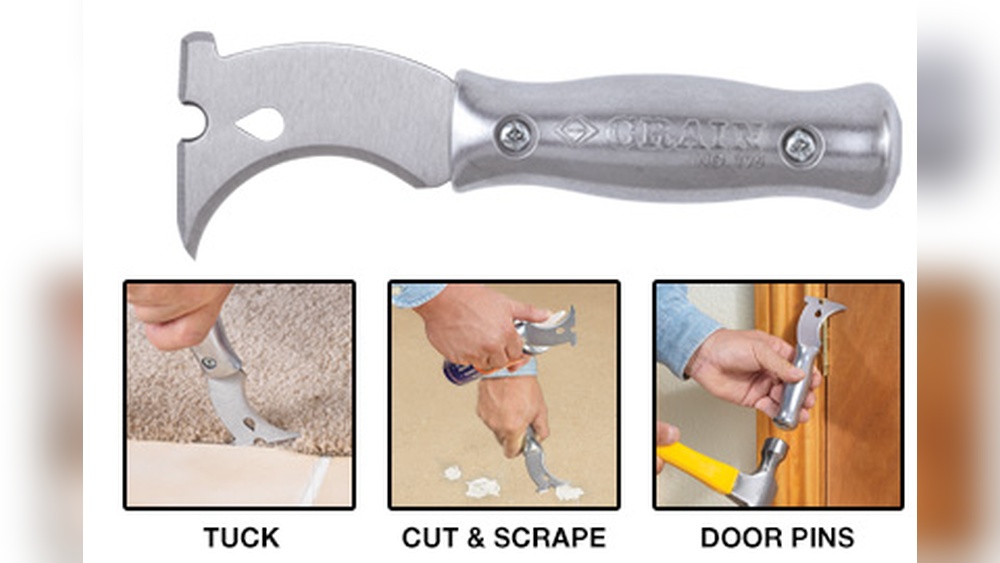
Choosing the right cutting tool can be the difference between a clean, professional finish and a frustrating, error-prone project. Among the most commonly compared tools are the carpet knife and the utility knife, two staples in both professional and DIY toolkits. While they might appear similar at first glance, the differences in their design, intended use, and performance are substantial. Whether you’re laying new flooring, opening boxes, or tackling a renovation, understanding the capabilities and limitations of each knife can help you work safer, faster, and smarter.
This comprehensive guide explores the critical distinctions between carpet knives and utility knives, examining their construction, best-use scenarios, safety considerations, and maintenance requirements. By the end, you’ll have the confidence to select the ideal tool for every cutting task, based on real-world examples, expert insights, and side-by-side comparisons.
Let’s cut through the confusion and help you make an informed decision for your next project.
Key Takeaways
- Carpet knives are specialized for carpet and flooring work, featuring a hooked or angled blade for controlled, precise cuts.
- Utility knives are versatile, multipurpose tools suitable for a wide range of materials and tasks beyond flooring.
- The choice between a carpet knife and a utility knife impacts safety, efficiency, and the quality of the finished cut.
- Proper maintenance, blade selection, and usage techniques are essential for getting the most from either tool.
- Understanding the limitations and strengths of each knife reduces the risk of injury and material waste.
Understanding Carpet Knives
A carpet knife is a specialized tool designed specifically for cutting carpet and similar flooring materials. Its unique blade shape and handle design distinguish it from more general-purpose knives.
Design And Blade Features
Carpet knives typically feature a curved or hooked blade that allows users to cut through tough carpet fibers and backing with minimal effort. This blade shape reduces the risk of snagging or tearing the material, resulting in a cleaner edge. The handle is often ergonomically shaped for a firm grip, which is essential when applying force during prolonged cutting tasks.
- Hooked blades excel at slicing through thick carpeting without catching on the surface below.
- Straight blades can be used for trimming, but are less effective for deep, controlled cuts.
Common Applications
Carpet knives are primarily used for:
- Cutting and trimming wall-to-wall carpet
- Shaping carpet for stairs or corners
- Cutting underlayments and padding
- Trimming vinyl and linoleum flooring
Their design makes them less suitable for tasks outside the flooring realm, such as opening boxes or cutting drywall.
Safety Considerations
Because carpet knives are used on the floor, often with considerable force, there is a risk of injury if the blade slips. Most modern carpet knives include safety features like blade guards or quick-change mechanisms to minimize exposure during blade replacement.
Pro Tip: Always retract or cover the blade when not in use to prevent accidental cuts, especially in busy work environments.
Types Of Carpet Knives
There are several types of carpet knives available, each suited to different flooring scenarios:
- Fixed-blade knives: Offer maximum stability for heavy-duty cutting.
- Retractable-blade knives: Allow for safer blade storage and transport.
- Folding carpet knives: Compact for easy storage but may be less robust.
When choosing a carpet knife, consider the thickness of the carpet, the area of use, and the need for portability.
Exploring Utility Knives
Utility knives are the Swiss Army knives of the cutting world, versatile, adaptable, and essential in nearly every toolkit. Their primary advantage is their adaptability to a broad range of materials and tasks.
Blade Types And Mechanisms
Utility knives generally use straight, replaceable blades that can be retracted or extended as needed. The most common mechanisms include:
- Retractable blades: Allow you to adjust the blade length for safety and control.
- Snap-off blades: Let you snap off dull segments to reveal a fresh, sharp edge.
- Fixed-blade utility knives: Provide extra stability for heavy-duty jobs.
Some utility knives accept specialty blades, such as serrated or hooked options, further increasing their versatility.
Typical Uses
A utility knife is used for:
- Cutting drywall, insulation, and roofing materials
- Opening boxes and packages
- Trimming wallpaper or plastic sheeting
- Scoring wood or tile backer board
- Light demolition or shaping work
Because of their straight blade, they excel at making straight, controlled cuts in a wide array of materials.
Safety Features
Modern utility knives often include safety mechanisms such as auto-retracting blades, locking mechanisms, and non-slip grips. Many models also feature storage compartments for spare blades within the handle.
Warning: Even a retracted utility knife can pose a risk if not properly stowed. Always ensure the blade is fully retracted before placing the knife in your pocket or tool bag.
Variations In Utility Knives
There are several popular types of utility knives:
- Standard retractable knives: Good for general use.
- Folding utility knives: Compact and pocket-friendly.
- Heavy-duty utility knives: Built for industrial applications.
Your choice should reflect the primary tasks you expect to tackle and your comfort with different handle styles.
Side-by-side Comparison: Carpet Knife Vs Utility Knife
To make an informed decision, it’s crucial to compare these tools directly across several categories, including design, usability, safety, and performance.
| Feature | Carpet Knife | Utility Knife |
|---|---|---|
| Primary Use | Cutting carpet & flooring | General-purpose cutting |
| Blade Type | Hooked or angled | Straight (replaceable) |
| Precision | High for carpet materials | Moderate; better for straight cuts |
| Safety Features | Blade guard, quick-change | Retractable, locking, auto-retract |
| Versatility | Limited (flooring only) | High (many materials) |
| Blade Durability | Thicker, lasts longer on carpet | Frequent replacement needed |
| Cost | Moderate | Low to moderate |
Design And Ergonomics
The handle shape and blade orientation of a carpet knife are optimized for floor-level work, often with an angled grip. In contrast, utility knives are designed for handheld use at various angles and positions, making them more comfortable for overhead or vertical cuts.
Cutting Performance
Carpet knives excel in delivering clean, controlled cuts on carpet fibers without fraying or tearing, thanks to their specialized blades. Utility knives offer a straight, strong cut but may struggle with thicker carpets or may damage the material if not used carefully.
Real-world Example: Installing Carpet Vs. Cutting Drywall
When installing a new carpet, a carpet knife allows the installer to slice through tough backing and padding with precision, essential for achieving a snug fit against walls and in corners. Conversely, when cutting drywall, a utility knife is the preferred tool, as it can make long, straight scores that snap cleanly, minimizing dust and material waste.
Blade Replacement And Maintenance
Utility knives usually offer faster blade changes, often without tools, which is helpful for fast-paced jobs requiring frequent blade swaps. Carpet knives may require a screwdriver or special mechanism, but their blades generally last longer before becoming dull.
When To Use Each Tool
Selecting the right knife for the job not only improves the outcome but also enhances efficiency and safety. Here’s a breakdown of scenarios where each tool shines.
Best Scenarios For Carpet Knives
- Carpet installation: For precise, clean cuts along walls, seams, and stairs.
- Vinyl or linoleum trimming: The hooked blade prevents accidental damage to the subfloor.
- Cutting carpet tiles: Allows for accurate shaping around obstacles or edges.
Carpet knives are less effective when used on materials like cardboard, wood, or plastic, as their blade shape is not optimized for these surfaces.
Best Scenarios For Utility Knives
- Opening packaging: The straight blade slices through tape and cardboard with ease.
- Scoring drywall: Creates clean lines for snapping sheets to size.
- General maintenance tasks: Such as cutting insulation, wire sheathing, or rope.
Utility knives are not recommended for deep carpet cuts, as the blade can quickly dull and may cause the material to fray.
Example: Diy Home Renovation
During a home renovation, I found that using a carpet knife to trim new carpet around doorways and stairs resulted in a seamless fit, while the utility knife was indispensable for cutting drywall, insulation, and opening boxes of supplies. Attempting to use the wrong knife often led to jagged cuts or wasted material.
Efficiency And Material Waste
Using the correct knife minimizes material waste and speeds up the task. For example, a dull utility knife blade can shred carpet edges, requiring costly rework, while a carpet knife used on thick cardboard can become dull prematurely.
Safety And Best Practices
Cutting tools are among the top causes of workplace injuries, making safety protocols essential. According to the US Bureau of Labor Statistics, lacerations from hand tools account for thousands of reported incidents each year. Following best practices for each knife type reduces risk significantly.
Handling And Grip
- Carpet knives: Always maintain a firm grip and cut away from your body. Use a kneeling pad for stability during floor work.
- Utility knives: Keep hands clear of the cutting path and avoid using excessive force, which can cause the blade to snap.
Blade Storage And Replacement
- Store knives with blades retracted or covered.
- Replace blades at the first sign of dullness; a sharp blade is safer and requires less force.
- Dispose of used blades in a dedicated sharps container to prevent accidental injury.
Personal Protective Equipment (ppe)
- Wear cut-resistant gloves when working with either knife.
- Safety glasses are recommended, especially when cutting above waist level or working with brittle materials.
Example: Commercial Carpet Installation Incident
In a commercial flooring project, a worker attempted to use a utility knife to cut thick carpet in a high-traffic hallway. The blade dulled quickly, causing excessive force and a slip that resulted in a minor hand injury. Switching to a carpet knife with a fresh hooked blade not only improved safety but also sped up installation time.
Blade Materials, Maintenance, And Longevity
The quality and care of your knife blade directly impact performance, safety, and cost-effectiveness.
Blade Materials
Most carpet and utility knife blades are made from high-carbon steel or stainless steel. High-carbon steel blades maintain sharpness longer but may rust if not cared for, while stainless steel offers better corrosion resistance but may require more frequent sharpening.
Sharpening And Replacement
- Carpet knife blades: Typically replaced rather than sharpened due to their unique shape.
- Utility knife blades: Snap-off designs allow for quick renewal; straight blades can be resharpened or swapped out.
Cleaning And Storage
- Wipe blades after use to remove adhesive, carpet fibers, or other debris.
- Store knives in a dry location to prevent rust.
| Blade Material | Edge Retention | Rust Resistance | Recommended Use |
|---|---|---|---|
| High-Carbon Steel | Excellent | Moderate | Heavy-duty carpet cutting |
| Stainless Steel | Good | High | General utility work |
| Composite Blades | Variable | High | Specialty applications |
Example: Maintenance Routine
In my experience, regularly inspecting blades before use not only extends their lifespan but also prevents costly downtime. A quick cleaning and a fresh blade at the start of each day can make a significant difference in both safety and productivity.
Cost Analysis And Value Over Time
Choosing between a carpet knife and a utility knife isn’t just about upfront cost, it’s about total value, including replacement blades, maintenance, and time saved.
Initial Purchase Price
- Carpet knives: Typically range from $10, $30, depending on features and brand.
- Utility knives: Range from $5, $25, with premium models costing more.
Ongoing Costs
- Carpet knife blades: More expensive per blade but require less frequent replacement.
- Utility knife blades: Cheaper but need more frequent swapping, especially on tough materials.
Lifetime Value
A professional flooring installer may spend more on carpet knife blades but will benefit from better cutting performance and less material waste. For a homeowner or casual DIYer, a utility knife offers flexibility at a lower ongoing cost.
| Knife Type | Average Initial Cost | Annual Blade Replacement Cost | Typical Lifespan |
|---|---|---|---|
| Carpet Knife | $20 | $30 | 5+ years |
| Utility Knife | $15 | $20 | 3, 5 years |
Example: Contractor Vs. Homeowner
A professional contractor installing carpets daily will appreciate the durability and precision of a dedicated carpet knife, offsetting the higher blade cost through improved efficiency. A homeowner tackling occasional projects may prefer the lower cost and versatility of a utility knife.
Pro Tip: For frequent users, buying blades in bulk can significantly reduce per-blade costs and minimize downtime.
How To Choose The Right Knife For Your Project
Selecting the optimal cutting tool involves balancing several factors: material, frequency of use, safety, and budget.
Project Type And Material
- For flooring projects (carpet, vinyl, linoleum), a carpet knife provides the best results.
- For general repairs or multi-material tasks (cardboard, drywall, plastic), a utility knife is more suitable.
Frequency Of Use
- Frequent/professional use: Invest in a higher-quality knife with comfortable ergonomics and robust safety features.
- Occasional use: A mid-range utility knife may offer the best balance of price and flexibility.
Ergonomic Considerations
Extended use can lead to hand fatigue or injury. Look for:
- Ergonomic handles with non-slip grips
- Lightweight construction for repetitive tasks
- Blade change mechanisms that minimize hand contact with sharp edges
Availability Of Replacement Blades
Some specialty carpet knives use proprietary blades, which may not be available at all hardware stores. Utility knife blades, by contrast, are widely available.
Brand And Quality
Reputable brands such as Stanley, OLFA, and Irwin have established themselves as leaders in cutting tool innovation, offering high-quality products and reliable warranties. When in doubt, consult reviews and seek recommendations from professionals in your field.
Example: According to a Popular Mechanics review, investing in a well-built utility knife pays dividends in safety and user experience.
Frequently Asked Questions
What Is The Main Difference Between A Carpet Knife And A Utility Knife?
A carpet knife is specifically designed for cutting carpet and flooring materials, featuring a hooked or angled blade for precise, controlled cuts. In contrast, a utility knife is a multipurpose tool with a straight blade, suitable for a wide range of tasks including cutting cardboard, drywall, and more. The primary distinction lies in their intended use and blade shape.
Can A Utility Knife Be Used To Cut Carpet?
While a utility knife can cut carpet in a pinch, it is not ideal for this purpose. The straight blade is more likely to cause fraying or uneven cuts, especially on thicker carpets. For best results, use a carpet knife with a hooked blade, which is optimized for slicing through tough fibers and backing.
Are Carpet Knives Safer Than Utility Knives?
Neither tool is inherently safer; it depends on how they are used and maintained. Carpet knives often come with blade guards and are used at floor level, which can reduce certain risks but introduce others, such as hand fatigue. Utility knives offer retractable blades and safety locks but can still cause injury if misused. Following proper safety protocols is essential with both tools.
How Often Should I Replace The Blades On My Carpet Or Utility Knife?
Blade replacement frequency depends on the material being cut and frequency of use. Carpet knife blades tend to last longer when used exclusively on carpet but should be replaced at the first sign of dullness to maintain clean cuts. Utility knife blades may need more frequent replacement, especially when cutting abrasive materials like drywall or insulation. Always follow manufacturer guidelines for blade replacement.
What Should I Look For When Buying A Carpet Or Utility Knife?
Key factors include handle ergonomics, blade type and availability, safety features, and overall build quality. For carpet knives, ensure the blade is suitable for the thickness and type of carpet you will be cutting. For utility knives, look for models with easy blade change mechanisms and a comfortable grip. Reading product reviews and consulting professionals can also guide your choice.
References
- OSHA: Hand and Power Tools
- Wikipedia: Utility Knife
Selecting between a carpet knife and a utility knife is not a one-size-fits-all decision. Each tool brings unique strengths to the table, and understanding their differences can help you work more efficiently, safely, and cost-effectively. By aligning your tool choice with the specific demands of your project, you ensure better results and a more satisfying work experience.
Whether you’re a seasoned professional or a weekend DIYer, the right knife makes every cut count.