Cheese is one of the world’s oldest and most loved foods. From a simple cheddar sandwich to an elegant French cheese board, cheese brings people together at tables everywhere. But if you have ever tried to cut a soft brie or a hard parmesan with an ordinary kitchen knife, you know things can get messy and frustrating. That’s why cheese knives exist, they help you cut, serve, and enjoy cheese the right way. Yet, many people feel confused when they see a cheese knife set, each blade shaped differently. Which one do you use for gouda? What about blue cheese or aged cheddar? Understanding how to use a cheese knife not only makes serving easier, it actually improves the taste and presentation of your cheese.
Whether you’re preparing for a dinner party, hosting a wine and cheese night, or just want to enjoy your snack with style, this guide will show you how to use every type of cheese knife. You’ll also learn how to care for your knives, avoid common mistakes, and impress your guests with simple but professional cheese-cutting skills.
Let’s cut through the confusion and help you serve cheese with confidence.
Why Cheese Knives Matter
Cheese comes in many textures, from creamy and spreadable to hard and crumbly. Each texture needs a different approach to cut cleanly and neatly. Using the right knife keeps cheese from sticking, crumbling, or losing its shape. This matters more than you might think: the texture and flavor of cheese can change if it is crushed or torn. For example, slicing soft brie with a sharp, thin blade keeps its creamy center intact, while a strong, sturdy knife is needed to break through aged, dense cheeses like parmesan.
A proper cheese knife also helps with presentation. Clean slices look better on a cheese board. Guests can easily take a piece without making a mess. This is especially important for events and tastings, where first impressions count.
Types Of Cheese Knives And Their Uses
Cheese knife sets can look intimidating with so many shapes and sizes. But each knife has a special job. Here’s a guide to the most common types and when to use them.
| Knife Type | Best For | Special Features |
|---|---|---|
| Soft Cheese Knife | Brie, Camembert | Thin blade, holes to prevent sticking |
| Cheddar Knife | Cheddar, Gouda | Curved blade, forked tip |
| Parmesan Knife | Parmesan, Grana Padano | Short, pointed, strong |
| Flat Cheese Knife | Blue cheese, crumbly cheese | Wide, flat blade |
| Spreader | Cream cheese, soft spreads | Rounded, blunt edge |
Soft Cheese Knife
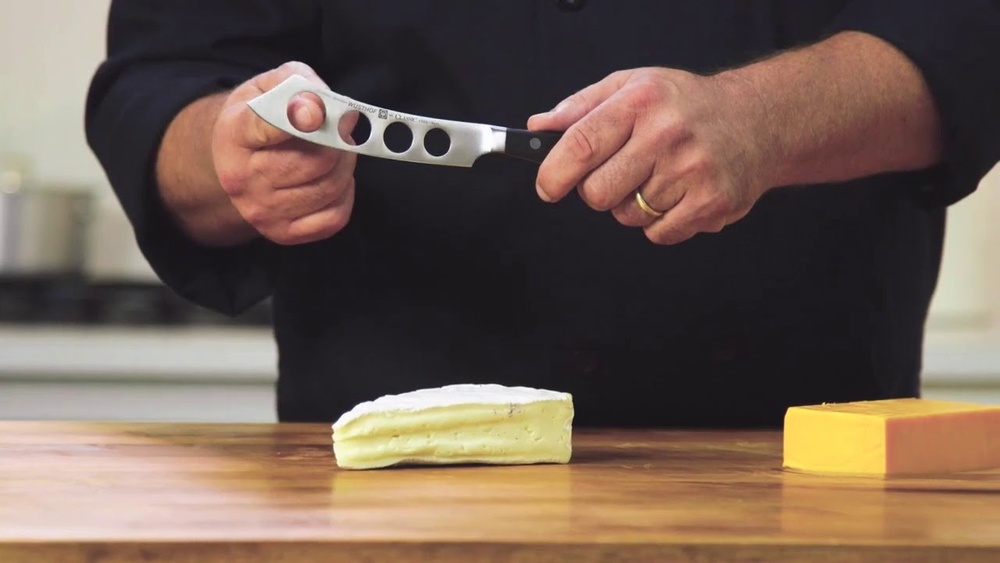
This knife is sometimes called an “open work blade. ” It is thin, with holes in the blade. The holes reduce surface area, so sticky cheeses like brie or camembert don’t cling to the metal. Use a gentle sawing motion to cut through the soft rind and creamy center.
Avoid pressing down too hard, or the cheese will lose its shape.
Cheddar Knife
Sometimes called a “utility cheese knife,” this is versatile and works well on medium-hard cheeses like cheddar or gouda. Its curved blade allows for a rocking motion, making it easier to slice through cheese without crumbling. The forked tip can be used to pick up slices and serve them.
Parmesan Knife
Parmesan and other aged cheeses are dense and often come in large wheels. The parmesan knife, also called a “spade,” is short, thick, and pointed. It’s designed to break off chunks rather than slice. Hold the cheese steady, insert the tip, and twist gently to break off a piece.
This preserves the crumbly texture that’s a hallmark of aged cheeses.
Flat Cheese Knife
This wide, flat blade looks almost like a mini spatula. It’s perfect for blue cheese, goat cheese, and other crumbly types. You can use it to cut and then lift pieces onto a plate. Its large surface area makes it easy to serve without smashing the cheese.
Cheese Spreader
For very soft cheeses and spreads, the cheese spreader is best. It looks similar to a butter knife, with a rounded, blunt edge. Use it to scoop and spread cheese onto bread, crackers, or fruit.
How To Use Each Cheese Knife: Step-by-step
Now that you know the main types, let’s look at how to use each one for perfect results.
Cutting Soft Cheese
Soft cheeses like brie, camembert, and taleggio need a gentle touch. Start by chilling the cheese slightly, about 10 minutes in the fridge makes it firmer and easier to slice. Use the soft cheese knife and make slow, gentle cuts. Let the weight of the knife do most of the work. If the cheese sticks, wipe the blade between cuts. Avoid dragging the cheese; instead, lift the knife straight up after each slice.
Slicing Semi-soft And Semi-hard Cheese
Cheddar, gouda, and similar cheeses can be cut with a cheddar knife or even a standard chef’s knife if needed. Hold the cheese steady with one hand, and use the curved blade to rock through the cheese. For even slices, mark guidelines with the tip of the knife before cutting. Use the forked end to move pieces to a serving tray.
Breaking Hard Cheese
For parmesan, pecorino, and other aged cheeses, use a parmesan knife. Insert the tip at the edge, then push and twist to break off a chunk. Don’t try to slice hard cheese like bread. The rough, natural pieces are part of the experience.
Serving Crumbly Or Blue Cheese
Blue cheese and soft goat cheese break easily. Use the flat cheese knife to press down and make a clean cut. Scoop the piece up with the flat blade and serve. For very crumbly cheese, cut only what you will serve immediately to keep the rest from drying out.
Spreading Soft Cheeses
Cream cheese, fresh goat cheese, and spreads work best with a cheese spreader. Simply scoop up a portion and spread it onto bread or crackers. For parties, provide a separate spreader for each soft cheese to avoid mixing flavors.
Cheese Knives Vs. Regular Knives
You might wonder if you really need a cheese knife. After all, a standard kitchen knife can cut cheese. But using the wrong knife can crush soft cheese, cause hard cheese to crack, and make serving messy. Here’s a quick comparison of cheese knives versus regular knives:
| Feature | Cheese Knife | Regular Knife |
|---|---|---|
| Blade Design | Specialized (holes, curves, points) | Straight, solid blade |
| Cheese Sticking | Minimal | Often sticks |
| Presentation | Neat, clean slices | Can tear or crush cheese |
| Serving | Forked or wide tips for serving | Not designed for serving |
Pro Tip: If you don’t have a cheese knife, try chilling soft cheeses before slicing. This makes them firmer and less likely to stick to a regular knife.
How To Choose The Right Cheese Knife
Selecting the right cheese knife depends on the types of cheese you enjoy most. Here are some tips to help you choose:
- Match the knife to the cheese texture. Soft cheese knives for brie, hard cheese knives for parmesan, and so on.
- Consider the size of your cheese board. If you serve many types at once, a small set with a knife for each texture works best.
- Look for quality materials. Stainless steel blades resist staining and are easy to clean. Wooden handles offer a classic look but need more care.
- Ergonomics matter. Choose knives that feel comfortable in your hand, especially if you entertain often.
- Single or multipurpose. Some knives, like the cheddar knife, are versatile. Others, like the parmesan knife, are more specialized.
If you’re just starting, a basic set with a soft cheese knife, a hard cheese knife, and a spreader will cover most needs. You can always add more as you try new cheeses.
Caring For Your Cheese Knives
Good care keeps your cheese knives sharp, clean, and looking great for years. Here’s how to maintain them:
- Wash knives by hand soon after use. Cheese can dry and stick to the blade, making it harder to clean later.
- Use mild soap and warm water. Avoid harsh cleaners or soaking wooden handles, which can crack or warp.
- Dry knives immediately to prevent water spots and rust. Even stainless steel can stain if left wet.
- Sharpen regularly. A sharp knife makes cleaner cuts and is safer to use.
- Store safely. Use a knife block, magnetic strip, or protective case to prevent damage and accidents.
For wooden handles, rub a little food-safe mineral oil on the wood every few months. This keeps the handle from drying out and splitting.
Serving Cheese: Presentation And Etiquette
Serving cheese is about more than just slicing, it’s also about making it easy and enjoyable for everyone at the table. Good presentation shows care and respect for your guests and the cheese itself.
Arranging A Cheese Board
- Group cheeses by texture: Soft, semi-soft, hard.
- Provide a separate knife for each cheese to avoid mixing flavors.
- Add accompaniments like fresh fruit, nuts, and crackers. These help cleanse the palate and add variety.
- Label each cheese so guests know what they’re tasting.
Arrange cheeses in order from mildest to strongest. This lets people start with delicate flavors and move to more intense ones.
Cutting Cheese For Sharing
When cutting cheese for a group:
- Keep pieces similar in size so everyone gets a fair share.
- Cut wedges from the center out for round cheeses, so everyone gets a bit of rind and center.
- For logs or blocks, cut even slices so presentation stays neat.
If you’re unsure how to cut a particular cheese, ask your cheesemonger or look up the best method for that style. Each cheese has its own tradition.
Pro Tip: In my experience, using the right cheese knife makes serving much more relaxed. Guests appreciate clean slices and the ability to try new cheeses without fighting with a dull blade.
Common Mistakes To Avoid
Even experienced hosts make mistakes with cheese knives. Here are some pitfalls to watch out for:
- Using the wrong knife for the cheese type, leading to messy cuts.
- Serving with only one knife for multiple cheeses, mixing flavors and textures.
- Forgetting to clean the knife between cuts, especially with strong blue cheese.
- Cutting cheese too far in advance. This can dry out soft cheeses and change the texture of hard ones.
- Ignoring safety. Cheese knives are sharp; always cut away from your hand and use a steady cutting board.
One non-obvious tip: avoid using a serrated knife for cheese, unless it’s specifically designed for that purpose. Serrated blades can tear the cheese, especially soft varieties, and make the surface uneven.
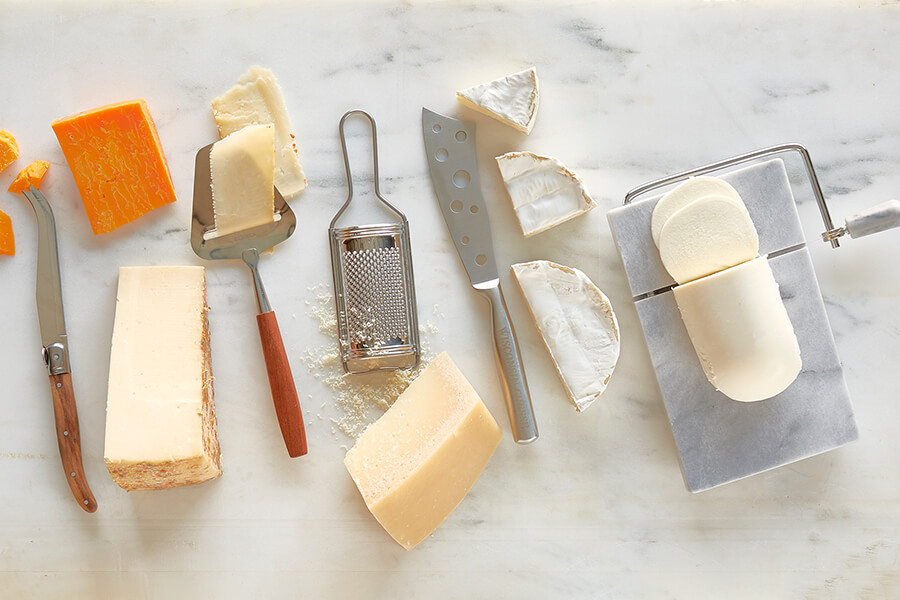
Credit: www.wisconsincheese.com
Cheese Knife Safety Tips
Cheese knives are sharper than they look, and their unusual shapes can make them tricky for beginners. Here’s how to stay safe:
- Always cut on a stable surface. A non-slip mat under your cutting board helps.
- Keep your fingers away from the blade path.
- Store knives in a holder or sheath, out of reach of children.
- Use the right knife for the job, forcing a small knife through a hard cheese can cause it to slip.
- Wipe blades carefully; do not grab the cutting edge.
Remember: proper grip and patience are more important than brute strength.
Cheese Knives Around The World
Different countries have their own cheese traditions and tools. For example, the French Laguiole knife is famous for its elegant design and is often used for soft and semi-soft cheeses. In Italy, the “tagliagrana” is a must for breaking apart big wheels of parmesan. The Dutch use a “kaasmes,” a wide-bladed knife for slicing gouda and edam. Learning about these knives can make your cheese experience even richer.
If you’re traveling, don’t be afraid to ask locals about their favorite cheese tools. You might find a new favorite knife, or a new favorite cheese.
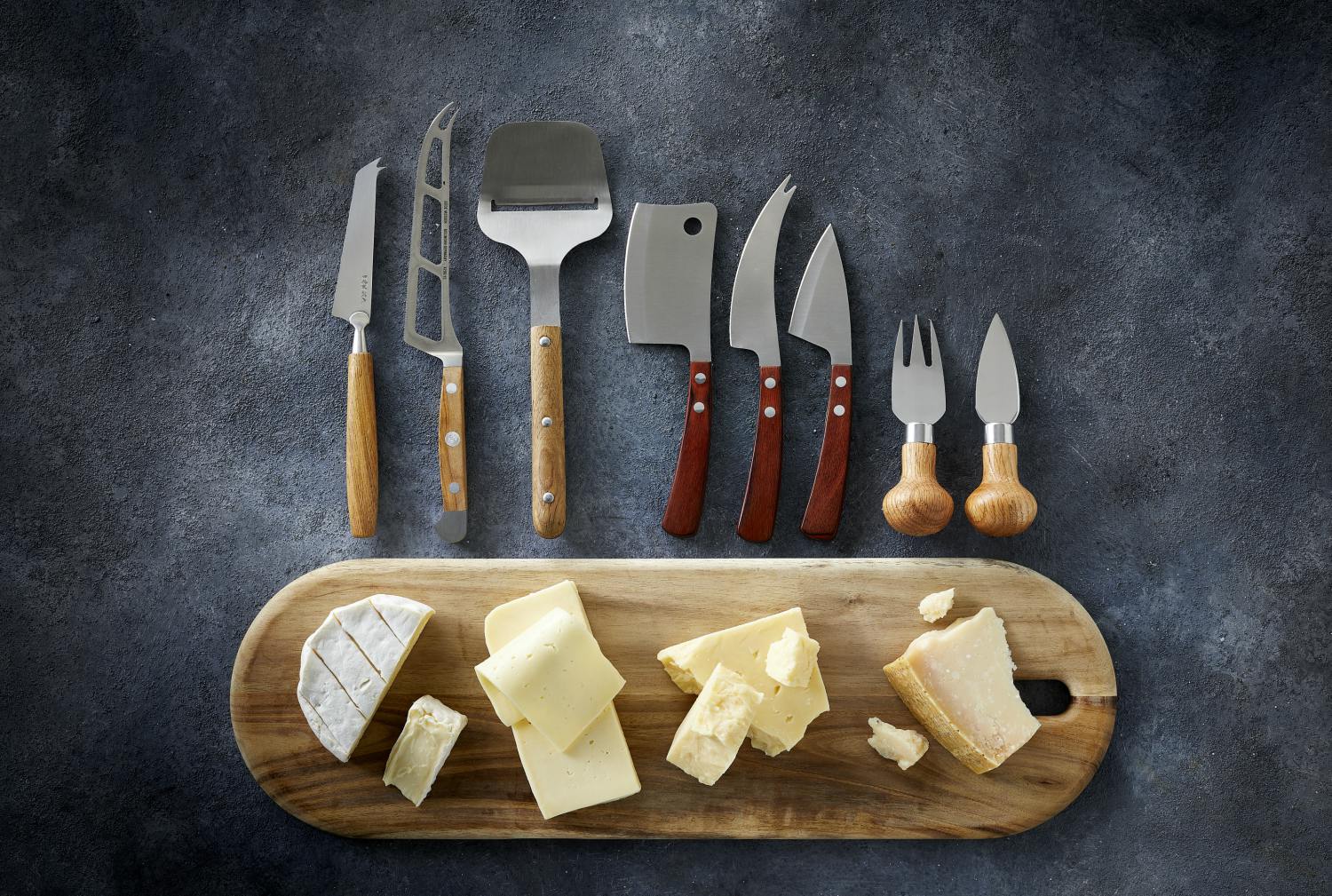
Credit: www.castellocheese.com
Cheese Knife Myths And Misunderstandings
Many people think cheese knives are only for fancy parties or professional chefs. In reality, they make a big difference in everyday snacking. Another myth is that all cheese knives are the same. As you’ve seen, each design has a purpose.
Some believe cleaning cheese knives is a hassle, but with proper care, it’s quick and easy.
One more misunderstanding: you don’t need a huge set. Three to four good knives can handle nearly any cheese you’ll serve at home.
When Not To Use A Cheese Knife
There are times when you may not need a cheese knife at all. Very fresh cheeses like mozzarella or ricotta are usually served with a spoon. Some hard cheeses, such as aged gouda, are meant to be broken into chunks by hand.
Always consider the tradition and style of the cheese before reaching for a knife.
Credit: www.reddit.com
Comparing Popular Cheese Knife Sets
With so many options in stores, choosing a set can be tough. Here’s a comparison of three popular types:
| Set Type | Includes | Best For | Downside |
|---|---|---|---|
| Basic 3-Piece Set | Soft, hard, spreader | Beginners, small gatherings | May not cover all cheese types |
| Deluxe 6-Piece Set | Soft, hard, crumbly, fork, spreader, slicer | Large parties, variety |