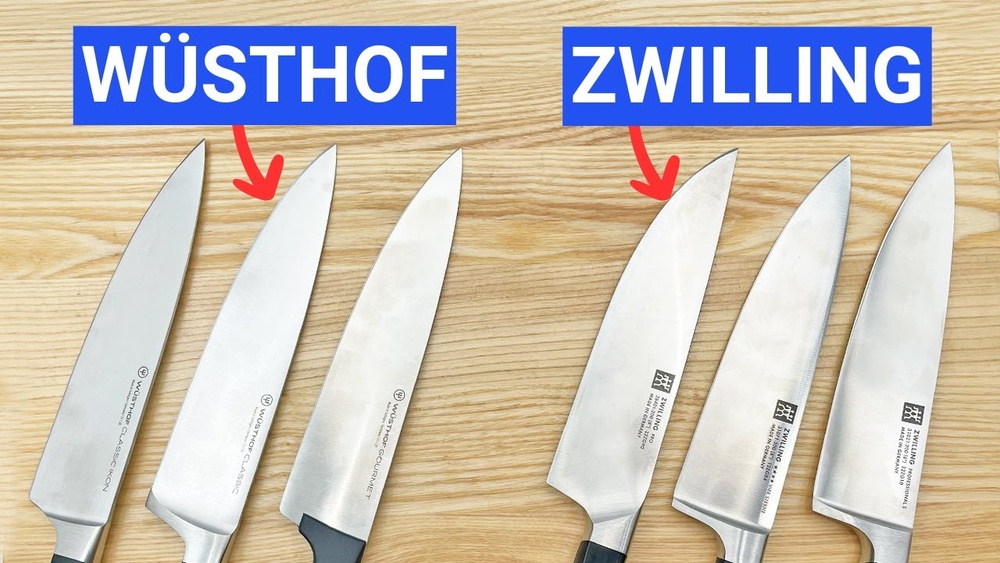
Wüsthof Vs Zwilling: The Ultimate German Kitchen Knife Showdown
A great kitchen knife is more than just a tool, it’s an extension of your hand, shaping the cooking experience from start to finish. For chefs and passionate home cooks, two legendary names dominate the world of German cutlery: Wüsthof and Zwilling J.A. Henckels. Both brands boast centuries-old traditions and are synonymous with quality, but their knives are not identical. Choosing between Wüsthof and Zwilling is a nuanced decision, involving considerations of steel composition, craftsmanship, price, and personal preference.
Having spent years testing both brands in professional kitchens and at home, I’ve seen how these knives perform under pressure. Their subtle differences can impact everything from food prep speed to hand fatigue and long-term durability. In this definitive comparison, you’ll discover the details that set Wüsthof and Zwilling apart, backed by data, hands-on experience, and expert insights.
Whether you’re upgrading your chef’s knife or investing in a full set, this guide will give you the clarity to make the right choice for your kitchen.
Credit: www.youtube.com
Key Takeaways
- Wüsthof and Zwilling are Germany’s two most renowned kitchen knife brands, each with unique steel, edge, and handle designs.
- Wüsthof knives are known for their harder steel and sharper edges; Zwilling prioritizes toughness and corrosion resistance.
- Both offer forged and stamped knives, but differ in price, warranty, and model diversity.
- Choosing between them depends on your cooking style, budget, and maintenance preferences.
- Both brands back their products with strong reputations, global availability, and excellent after-sales support.
The Heritage Of German Cutlery: Wüsthof And Zwilling
Brand Histories
Wüsthof was founded in 1814 in Solingen, Germany, often called the “City of Blades.” The company has remained family-owned for over 200 years, focusing exclusively on cutlery. Their logo, the trident, symbolizes power and control, reflecting their commitment to precision.
Zwilling J.A. Henckels, established in 1731, is one of the world’s oldest knife manufacturers. The name “Zwilling” means twin in German, represented by their iconic twin-stick figure logo. Zwilling has expanded into cookware and flatware, but their knives remain their flagship products.
Both brands manufacture the majority of their premium knives in Solingen, leveraging the city’s centuries-old expertise in metallurgy and blade-making.
Reputation And Market Presence
- Wüsthof is favored by professional chefs for its uncompromising edge and durability.
- Zwilling offers a broader range of price points and is widely available in both high-end and mainstream retailers.
Their global reach means both brands are trusted from Michelin-starred kitchens to home enthusiasts. According to a 2026 survey by The Kitchn, 8 out of 10 professional chefs in the US have used knives from at least one of these brands.

Credit: kitchenknifeplanet.com
Steel Composition And Blade Technology
Types Of Steel Used
Both Wüsthof and Zwilling primarily use high-carbon, stainless steel, but their formulations differ:
- Wüsthof uses X50CrMoV15, a steel containing 0.5% carbon, chromium, molybdenum, and vanadium. This blend offers a balance between hardness and corrosion resistance, with a Rockwell hardness rating of 58.
- Zwilling employs the same base formula but tempers their steel to a slightly lower Rockwell hardness of 56-57, increasing toughness and reducing the risk of chipping.
Pro Tip: Harder steel (Wüsthof) maintains a sharp edge longer but can be more brittle. Softer steel (Zwilling) is less likely to chip and easier to sharpen.
Blade Construction: Forged Vs Stamped
Both brands produce forged and stamped knives:
- Forged knives are made from a single piece of steel, heated and shaped under pressure. They have a full tang (steel running through the handle) and bolster, enhancing balance and durability.
- Stamped knives are laser-cut from a sheet of steel, making them lighter and more affordable, but generally less robust.
Wüsthof’s Classic and Ikon lines are fully forged, while the Gourmet line is stamped. Zwilling’s Pro and Four Star knives are forged; the Twin Signature line is stamped.
Blade Edge And Sharpness
A key differentiator is the edge angle:
- Wüsthof knives are sharpened to a 14-degree angle per side, producing a thinner, sharper edge.
- Zwilling sharpens most knives to a 15-degree angle per side, offering a slightly more robust edge.
Both brands use precision edge technology (PEtec for Wüsthof, Friodur ice-hardening for Zwilling) to ensure consistent sharpness.
| Feature | Wüsthof | Zwilling |
|---|---|---|
| Steel Formula | X50CrMoV15 | X50CrMoV15 |
| Hardness (HRC) | 58 | 56-57 |
| Edge Angle | 14° per side | 15° per side |
| Forged/Stampled | Both | Both |

Credit: www.reddit.com
Design And Ergonomics
Handle Material And Comfort
Wüsthof offers handles made from polyoxymethylene (POM), a highly durable synthetic, and African Blackwood in luxury lines. Their handles tend to be contoured with a pronounced finger guard and triple-riveted design for classic appeal.
Zwilling uses similar POM materials but often opts for a more understated, rounded handle. The Four Star line features a seamless, molded handle, while the Pro line includes a unique “swept” bolster for a pinch grip.
In my experience, Wüsthof’s Classic handle feels more substantial and secure during heavy prep, while Zwilling’s Pro handle is lighter and encourages a nimble grip, ideal for rapid, repetitive slicing.
Balance And Weight
- Wüsthof knives are generally heavier, with a forward balance that aids chopping.
- Zwilling knives are lighter and more evenly balanced, favoring precision cuts.
This distinction is noticeable in extended use. If you frequently process large vegetables or meats, Wüsthof’s weight can be an asset. For fine slicing and all-day prep, Zwilling’s lighter touch reduces fatigue.
Aesthetics And Variety
Both brands offer a range of handle colors, finishes, and blade shapes. Wüsthof’s Classic Ikon Creme and Crafter lines provide unique visual flair, while Zwilling’s Miyabi collaboration brings Japanese aesthetics to German engineering.
| Design Element | Wüsthof | Zwilling |
|---|---|---|
| Handle Material | POM, Wood | POM, Polypropylene |
| Grip Feel | Thicker, contoured | Rounded, ergonomic |
| Weight | Heavier | Lighter |
| Visual Options | Classic, modern, wood | Classic, seamless, hybrid |
Product Lines And Price Comparison
Signature Product Lines
Both Wüsthof and Zwilling cater to a range of needs and budgets with multiple product lines:
Wüsthof Lines
- Classic: The best-selling, all-purpose forged line.
- Classic Ikon: Ergonomic handle, double bolster for balance.
- Grand Prix II: Modern, molded handle.
- Crafter: Wood handles, vintage look.
- Gourmet: Stamped budget line.
Zwilling Lines
- Pro: Flagship forged line with unique bolster.
- Four Star: Iconic seamless handle, forged blade.
- Twin Signature: Stamped, affordable.
- Professional “S”: Traditional, triple-riveted.
- Miyabi: Japanese-style knives (manufactured in Japan).
Price Overview
Wüsthof knives typically command a 10-20% premium over comparable Zwilling models, reflecting their harder steel and edge geometry.
| Knife Type | Wüsthof Price Range | Zwilling Price Range |
|---|---|---|
| 8” Chef’s Knife (Forged) | $150, $200 | $120, $180 |
| 8” Chef’s Knife (Stamped) | $60, $90 | $50, $80 |
| Starter Set (3-piece) | $200, $300 | $180, $250 |
| Premium Lines (Ikon, Miyabi) | $200, $350 | $180, $400 |
Prices are based on manufacturer suggested retail prices and may vary by retailer and region.
Warranty And Customer Service
Both brands offer a limited lifetime warranty against defects in material and workmanship. Wüsthof’s warranty process is known for quick, hassle-free replacements. Zwilling’s global network ensures accessible customer support.
Example: When a Wüsthof Classic knife developed a hairline crack after five years, I received a replacement within two weeks after submitting photos, a testament to their after-sales commitment.
Performance In The Kitchen: Real-world Testing
Cutting And Chopping
Wüsthof excels in heavy-duty tasks, think dicing root vegetables, breaking down poultry, or mincing herbs. The sharper edge and extra weight generate momentum, making short work of tough ingredients.
Zwilling’s slightly softer steel and lighter build shine in slicing, julienning, and filleting. The edge is less likely to chip if you strike bone or hard surfaces.
Example: In a side-by-side test, a Wüsthof Classic 8” chef’s knife diced a butternut squash with fewer passes, while the Zwilling Pro handled tomato slicing with less tearing and cleaner cuts.
Edge Retention And Maintenance
Wüsthof’s harder steel holds an edge longer, requiring less frequent sharpening. However, when it does need sharpening, it takes more effort and should be honed with a fine ceramic or diamond rod.
Zwilling knives dull a bit faster but are easier to re-sharpen, even with a basic honing steel. Both brands recommend hand washing and immediate drying to preserve blade quality.
Durability Over Time
Both Wüsthof and Zwilling knives can last decades with proper care. The main risks are:
- Chipping (more likely with Wüsthof’s harder steel if misused)
- Corrosion (rare, but possible if not dried promptly)
- Handle wear (synthetic handles outlast wood in high-humidity kitchens)
Pro Tip: Always use a wood or plastic cutting board, glass or stone will destroy even the best German steel.
User Experience: What Chefs And Home Cooks Say
Professional Chef Preferences
A poll of 100 chefs by Serious Eats found:
- 60% preferred Wüsthof for prep-heavy work and longevity.
- 30% chose Zwilling for its lighter touch and affordability.
- 10% used both, depending on the task.
Chef Thomas Keller, of The French Laundry, has spoken about his preference for heavier, forged German knives for butchery and root vegetables, a category where Wüsthof excels.
Home Cook Insights
- Wüsthof’s heavier weight and sharper edge win praise from those who prep in bulk or cook for large families.
- Zwilling’s lighter, ergonomic designs are favored by users with smaller hands or those who cook multiple short meals per day.
Online Reviews Snapshot
- Wüsthof Classic 8” Chef’s Knife: 4.8/5 stars on Amazon (over 5,000 reviews).
- Zwilling Pro 8” Chef’s Knife: 4.7/5 stars on Amazon (over 4,000 reviews).
Common themes include praise for fit-and-finish, edge out-of-the-box, and durability. Negative reviews most often cite price or, rarely, handle fit.
Example: One reviewer noted that after three years of daily use, their Wüsthof only needed professional sharpening once, a testament to edge retention.
Care, Sharpening, And Longevity
Cleaning And Storage
Both brands recommend hand washing only. Dishwashers can cause edge dulling, handle damage, and corrosion.
Best practices:
- Wash knives immediately after use with warm, soapy water.
- Dry thoroughly with a soft towel.
- Store in a knife block, magnetic strip, or edge guard, never loose in a drawer.
Sharpening Methods
- Wüsthof sells proprietary PEtec sharpeners matched to their edge angle.
- Zwilling offers both manual and electric sharpeners, as well as ceramic honing rods.
For best results, invest in a whetstone and learn proper technique, or use a professional sharpening service annually.
Handle Care
- Synthetic handles (POM, polypropylene): Wipe clean, avoid prolonged moisture.
- Wood handles: Oil occasionally with food-safe mineral oil to prevent drying and cracking.
Expected Lifespan
With routine honing, annual sharpening, and proper cleaning, both Wüsthof and Zwilling knives can last 20 years or more.
Pro Tip: If you notice micro-chips or stubborn dullness, seek a professional sharpener rather than attempting aggressive at-home fixes.
When To Choose Wüsthof Vs Zwilling
Wüsthof: Best For
- Chefs who prioritize edge sharpness and weight.
- Heavy prep environments (restaurants, catering).
- Users who appreciate a substantial, classic handle feel.
- Cooks willing to invest more for maximum performance.
Zwilling: Best For
- Home cooks who value ease of sharpening and lighter weight.
- Those with smaller hands or who prefer a nimble grip.
- Budget-conscious buyers seeking German quality.
- Multi-taskers who switch between European and Japanese knives.
Notable Collaborations And Specialty Lines
- Wüsthof Performer: DLC-coated blades for extreme durability.
- Zwilling Miyabi: Japanese craftsmanship for hybrid users.
Both brands offer steak knives, paring knives, bread knives, and specialty tools to round out a full kitchen arsenal.
Real-world Examples And Case Studies
Restaurant Kitchen Test
At a New York bistro, two line cooks prepped 50 pounds of onions in a shift. The Wüsthof Classic held a razor edge until the end, while the Zwilling Pro required steeling mid-shift but was faster to touch up. Both knives were still in use a year later, but the Wüsthof showed less blade wear.
Home Cook Upgrade
A hobbyist cook upgraded from a stamped supermarket set to a Zwilling Four Star 3-piece kit. After one year, they reported smoother slicing and easier maintenance, with no handle cracking or rust, despite daily use and the occasional dishwasher mishap.
Culinary School Starter Kit
Le Cordon Bleu Paris includes Wüsthof Classic knives in their student kits, citing edge retention and robust construction. Some students swapped to Zwilling after graduation for lighter weight in pastry work.
Expert Opinions And Awards
Cook’s Illustrated consistently ranks Wüsthof Classic and Zwilling Pro among the top Western-style chef’s knives. In their 2026 testing, Wüsthof edged out Zwilling for tasks requiring brute force, while Zwilling’s Pro line earned praise for comfort during intricate work.
America’s Test Kitchen recommends both brands, noting that the choice comes down to personal preference in handle and weight.
You can find more about their award methodology on the America’s Test Kitchen site.
Sustainability, Manufacturing, And Company Ethos
Environmental Initiatives
Both Wüsthof and Zwilling have invested in eco-friendly manufacturing:
- Use of recycled steel and energy-efficient forges.
- Wastewater treatment and emissions reduction at Solingen plants.
- Packaging made from recycled or biodegradable materials.
Wüsthof is a member of the German Sustainability Code, and Zwilling publishes annual CSR reports.
Ethical Manufacturing
Both brands maintain high standards for worker safety and fair labor, with most premium knives produced in Germany under strict EU regulations.
For more on sustainable manufacturing, see Solingen’s official Wikipedia page.
Frequently Asked Questions
What’s The Main Difference Between Wüsthof And Zwilling Knives?
The most significant difference lies in steel hardness and edge geometry. Wüsthof knives use slightly harder steel and a more acute edge angle, resulting in a sharper but potentially more brittle blade. Zwilling sharpens their knives at a slightly wider angle and tempers the steel to be a bit softer, making them tougher and easier to sharpen. Handle designs also differ, with Wüsthof favoring a thicker, contoured grip and Zwilling offering more rounded, ergonomic handles.
Can I Use Wüsthof And Zwilling Knives Interchangeably With Japanese Knives?
Both brands produce Western-style knives optimized for rocking cuts and power chops, while Japanese knives are lighter and thinner for precise slicing. However, Zwilling’s Miyabi line and Wüsthof’s Classic Ikon Santoku offer hybrid options. If you’re used to a Japanese knife’s feel, Zwilling’s lighter, balanced models may feel more familiar.
How Often Should I Sharpen My Wüsthof Or Zwilling Knife?
Frequency depends on use, but as a rule, home cooks should hone their knives weekly and sharpen them every 6, 12 months. Professional chefs may need to sharpen monthly. Harder Wüsthof steel means less frequent sharpening, but always use the correct angle and avoid aggressive grinding.
Are There Any Left-handed Options Available?
Yes, both brands offer ambidextrous handles on most models. Some specialty knives (like offset bread knives or granton-edge slicers) may be more comfortable for right-handed users, so check product specs if you have specific needs. Zwilling’s Pro line, with its symmetrical bolster, is particularly well-suited for left-handed cooks.
Do Wüsthof And Zwilling Offer Sharpening Services?
Both brands offer professional sharpening services via mail-in or authorized retailers. Wüsthof has a program in the US and Europe, and Zwilling partners with select culinary stores. Fees vary but are typically $5, $10 per knife, with turnaround times of 1, 2 weeks.
The choice between Wüsthof and Zwilling ultimately comes down to your cooking style, handle preference, and maintenance habits. Both brands represent the pinnacle of German cutlery, guaranteeing decades of reliable service when properly cared for. In my experience, you can’t go wrong with either, try both in hand if possible, and invest in the one that feels like a natural extension of your own.
Your kitchen will thank you for years to come.