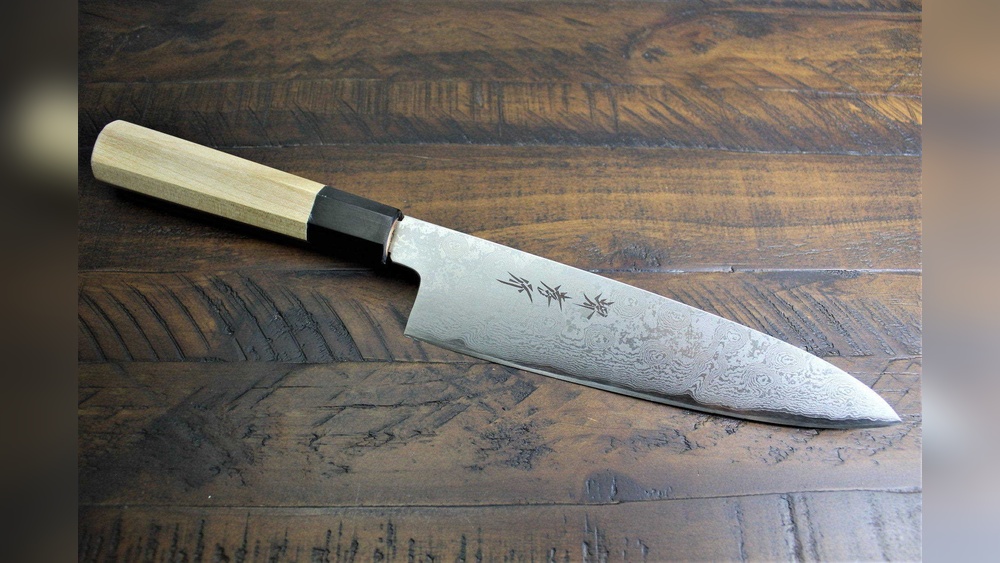
A sharp knife is one of the most important tools in the kitchen, but not all knives are created equal. If you have ever cooked with a Japanese chef’s knife, you know there’s something different about its balance, shape, and cutting ability. The Gyuto knife stands out as a favorite among both professional chefs and serious home cooks. But what makes the Gyuto unique? And more importantly, what is a Gyuto knife used for? This article explores the Gyuto knife’s features, history, main uses, and how it compares to other popular knives. Whether you are considering your first Japanese knife or want to use your Gyuto more effectively, you’ll find practical advice and insights here.
What Is A Gyuto Knife?
The Gyuto knife (pronounced “gyoo-toh”) is the Japanese version of the Western chef’s knife. The word “Gyuto” means “beef sword” in Japanese, hinting at its origins as a meat-cutting tool. Today, it is much more than that.
Most Gyuto knives have a blade length between 7 and 10 inches (180mm, 270mm), with 8 inches being the most common for home cooks. The blade is relatively thin and light compared to German or French chef’s knives, but still strong enough for a variety of cutting tasks.
The spine is usually straight for half the blade, then curves gently toward the tip, giving it a sharp, agile point.
The Gyuto’s blade is double-beveled, meaning it is sharpened on both sides, which makes it easy for right- and left-handed users. The edge is often ground at a sharper angle (usually around 15 degrees per side) than Western knives, resulting in a finer, more precise cut.
Key Features
- Thin blade for smooth slicing
- Curved tip for rocking cuts
- Double-bevel edge for versatility
- Lightweight design for control
These features make the Gyuto knife a true all-rounder in the kitchen.
The History And Evolution Of The Gyuto Knife
The Gyuto was born in the late 19th or early 20th century when Western cuisine began influencing Japanese cooking. Traditional Japanese knives, like the Yanagiba and Deba, were designed for slicing raw fish or butchering whole fish and poultry. However, as beef and Western dishes grew popular in Japan, cooks needed a more versatile knife.
Japanese blacksmiths adapted the French Sabatier-style chef’s knife, making it thinner and sharper to suit their cutting style and local ingredients. Over time, the Gyuto evolved into the knife we see today, a blend of Western and Japanese craftsmanship.
Pro Tip: If you enjoy both Japanese and Western dishes, the Gyuto lets you switch between styles with one tool.
Main Uses Of A Gyuto Knife
So, what is a Gyuto knife used for? In short, almost everything. It is the main workhorse in many kitchens, especially for those who value speed, precision, and versatility.
1. Slicing Meat
The Gyuto’s sharp edge and pointed tip make it excellent for slicing beef, pork, chicken, and other meats. You can make thin, even slices for stir-fries or thick cuts for roasts. The pointed tip helps remove sinew or trim fat with accuracy.
When carving cooked meats, a Gyuto can perform nearly as well as a slicing knife, though for large roasts, a longer carving knife may still be better.
2. Chopping Vegetables
From onions and carrots to bell peppers and herbs, a Gyuto knife handles vegetables with ease. The gentle curve of the blade allows for a rocking motion, making it comfortable to chop, dice, or mince.
Unlike many Western knives, the thin blade minimizes crushing or bruising delicate produce, resulting in cleaner cuts and better-looking dishes.
3. Dicing And Mincing
Precision matters when dicing tomatoes, mincing garlic, or chopping herbs. The Gyuto’s sharpness and control let you make fine cuts quickly and safely. Many professional chefs use the Gyuto for almost all prep tasks except heavy-duty jobs like breaking bones.
4. Slicing Fish
Although the Gyuto is not a dedicated sushi knife, it performs well for filleting fish or portioning cooked seafood. Its thinness and sharpness glide through delicate flesh without tearing. However, for traditional sashimi, a single-bevel Yanagiba is still preferred.
5. General Kitchen Tasks
The Gyuto is not just for protein and vegetables. It can slice fruits, cut sandwiches, smash garlic cloves (using the flat of the blade), and even handle small butchery jobs. Its versatility means you can reach for it again and again, saving time and reducing clutter on your counter.
How A Gyuto Knife Compares To Other Chef’s Knives
Choosing the right knife can be confusing with so many options. Let’s look at how the Gyuto stands out from other popular chef’s knives.
| Feature | Gyuto Knife | Western Chef’s Knife | Santoku Knife |
|---|---|---|---|
| Blade Length | 7, 10 inches | 6, 12 inches | 5, 7 inches |
| Blade Shape | Curved tip, straight spine | Curved belly, wider blade | Flat edge, sheep’s foot tip |
| Blade Thickness | Thin (1.5, 2.5mm) | Thicker (2, 3mm) | Medium (1.5, 2.5mm) |
| Edge Angle | 15° per side | 20, 22° per side | 15° per side |
| Main Use | All-purpose | All-purpose | All-purpose (esp. vegetables) |
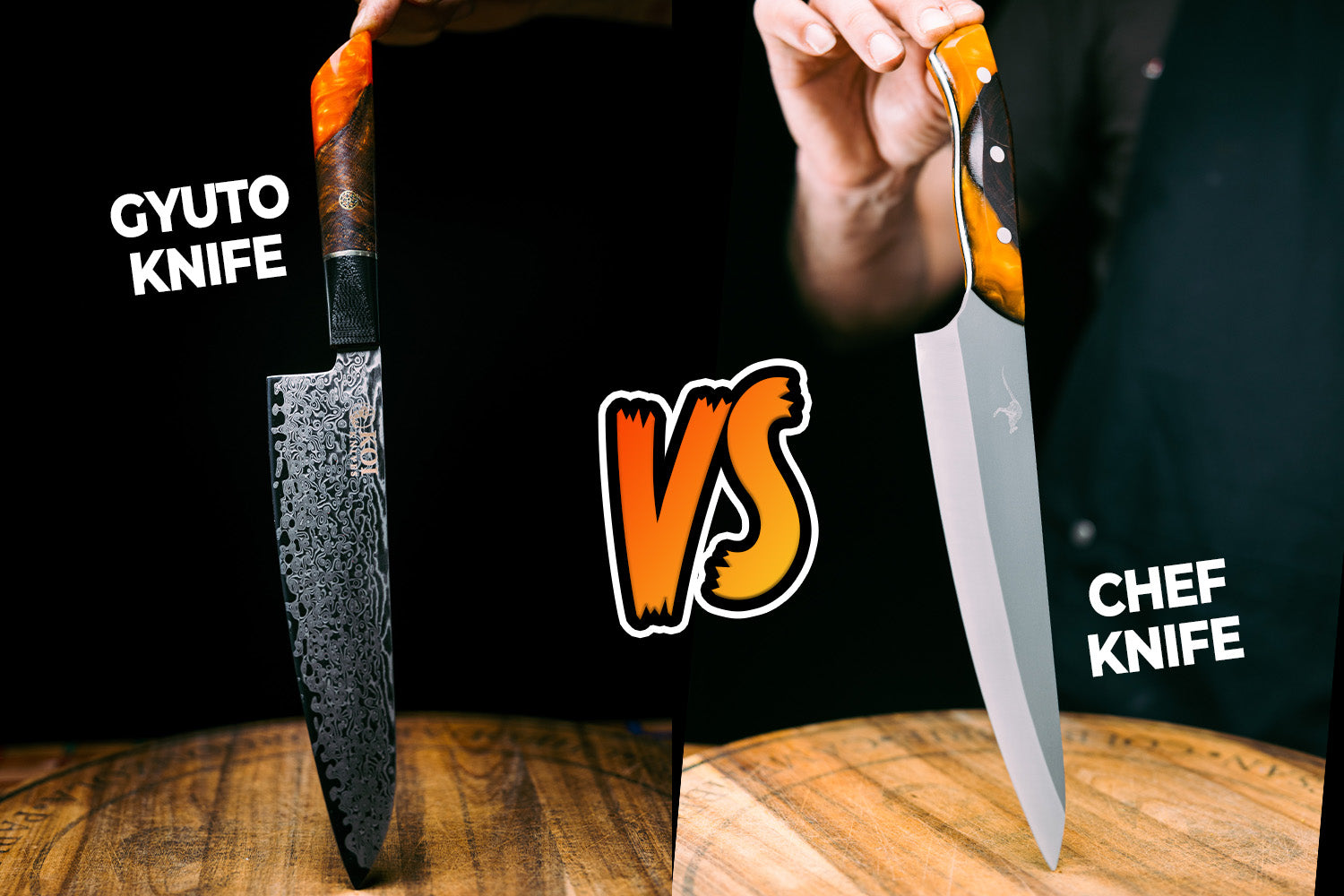
The Santoku is another popular Japanese knife. It is shorter, with a flat edge and a rounded tip, making it excellent for vegetables and small hands, but less agile for slicing meat or rocking cuts.

Credit: www.koiknives.com
Why Choose A Gyuto Knife? (advantages)
Precision And Control
The Gyuto’s thin, sharp edge allows for extremely precise cuts. This is especially important for dishes where visual appeal matters, like sushi or fine French cuisine.
Versatility
Few knives can match the Gyuto’s range. Instead of switching between different knives for meat, vegetables, and fruit, you can use the Gyuto for almost every task except for very hard foods or bones.
Lightweight Design
Many users find Gyuto knives less tiring to use than heavier Western chef’s knives. The lighter weight reduces hand fatigue during long prep sessions and gives more control over the blade.
Edge Retention
High-quality Gyuto knives are often made from harder steels (such as VG-10 or Blue Paper Steel) that hold a sharp edge longer. This means less sharpening and more consistent performance.
Example: When I tested a Gyuto against my old German chef’s knife, I noticed I could slice ripe tomatoes paper-thin without squashing them, something my heavier knife often struggled with.
Best Practices: How To Use A Gyuto Knife Effectively
Getting the most out of a Gyuto means understanding a few key techniques and tips.
Proper Grip
Hold the knife with a pinch grip: thumb and forefinger on either side of the blade, just above the handle, with the rest of your fingers wrapped around the handle. This grip gives you better control and balance.
Cutting Motions
Use the full length of the blade. For most vegetables, use a gentle rocking motion, starting at the heel and rolling forward to the tip. For slicing meat, use smooth, deliberate strokes, letting the knife do the work.
Avoiding Damage
The thin edge of a Gyuto is not designed for prying, twisting, or cutting through bone. Stick to slicing, chopping, and mincing softer foods. For squash, frozen foods, or bones, use a heavier knife like a cleaver.
Regular Maintenance
Keep the edge sharp with a fine grit whetstone or ceramic rod. Honing steels can help realign the edge, but avoid using aggressive sharpeners that may chip the blade.
Warning: Never put a Gyuto in the dishwasher, hand wash and dry immediately to prevent rust and handle damage.

Credit: www.knivesfromjapan.co.uk
Common Mistakes To Avoid
Many beginners make similar mistakes when using or caring for a Gyuto knife. Here are some pitfalls to watch out for:
- Using the wrong cutting board: Hard surfaces like glass, granite, or ceramic will dull the blade quickly. Use a soft wood or plastic cutting board instead.
- Improper storage: Leaving your Gyuto loose in a drawer can cause nicks and chips. Store it in a knife block, on a magnetic strip, or in a protective sheath.
- Forcing the blade: If the knife gets stuck, don’t twist or pry, this can chip the thin edge. Instead, gently wiggle it free or use a heavier knife for tough jobs.
- Neglecting maintenance: Even high-end steel will lose its edge over time. Regular honing and occasional sharpening keep the Gyuto performing at its best.
- Cutting bones or frozen foods: The Gyuto is not a cleaver, using it for very hard items can damage the blade.
How To Choose The Right Gyuto Knife
Not all Gyuto knives are equal. When buying one, consider these factors:
Blade Length
For home use, an 8-inch (210mm) blade is usually ideal. It is long enough for most tasks but not so large that it feels unwieldy. Professional chefs may prefer a 9- or 10-inch version for larger cuts.
Blade Material
High-carbon stainless steel offers a good balance of sharpness, durability, and rust resistance. Traditional Japanese steels like Blue Paper or White Paper steel are harder and can take a sharper edge but require more care to prevent rust.
Handle Style
Japanese handles (wa handles) are often lighter and round or octagonal, while Western handles (yo handles) are heavier with ergonomic shaping. Choose what feels most comfortable in your hand.
Weight And Balance
Pick up the knife and see how it feels. A good Gyuto should feel balanced between the blade and handle, not tip-heavy or awkward.
Price Vs. Quality
You don’t need to spend $300 for a great Gyuto, but very cheap models may use lower-quality steel or poor craftsmanship. Look for reputable brands with good reviews from trusted sources.
Here’s a quick comparison:
| Feature | Entry-level Gyuto | Mid-range Gyuto | High-end Gyuto |
|---|---|---|---|
| Blade Material | Stainless steel | VG-10, AUS-10 | Blue/White Paper steel |
| Edge Retention | Fair | Good | Excellent |
| Price Range | $30, $70 | $80, $150 | $150, $400+ |
| Handcrafted | No | Sometimes | Usually |
Pro Tip: If you are new to Japanese knives, start with a mid-range Gyuto. It offers great performance without demanding too much care or skill.
Credit: www.koiknives.com
Caring For Your Gyuto Knife
A well-maintained Gyuto can last a lifetime. Here are essential care steps:
Hand Washing
Always wash your Gyuto by hand with warm, soapy water immediately after use. Dry it thoroughly with a towel, never air dry, as this can cause rust spots, especially on high-carbon steel.
Proper Storage
Store your knife safely in a wooden block, on a magnetic strip, or inside a blade guard. This protects the edge and prevents accidents.
Regular Honing And Sharpening
Hone your Gyuto regularly to keep the edge aligned. Use a fine whetstone for sharpening when you notice the blade slipping during cuts. Avoid pull-through sharpeners, as they can ruin the fine edge.
Oil High-carbon Steel
If your Gyuto is made of high-carbon steel, apply a thin coat of food-safe mineral oil after cleaning to prevent rust.
Respect The Blade
Don’t use your Gyuto to open cans, pry lids, or crush bones. Treat it with care, and it will reward you with years of service.
Example: After a year of careful hand washing, honing, and storage, my Gyuto still slices tomatoes and onions as smoothly as the day I bought it.
Gyuto Knife In Professional Kitchens
Professional chefs choose the Gyuto for several reasons. Its sharpness, agility, and versatility fit the fast pace of restaurant work. Many chefs even prefer the Gyuto over classic Western chef’s knives for prep work, as the thinner blade makes fine cuts and garnishes easier.
In high-end Japanese restaurants, you’ll often see chefs using a Gyuto for everything from chopping scallions to portioning steak. The knife’s adaptability means fewer tools are needed, saving space and time.
Some chefs customize their Gyuto with unique handle materials or blade finishes, reflecting their personal style and preferences.
Cultural Importance Of The Gyuto Knife
Beyond its practical use, the Gyuto is a symbol of craftsmanship and respect for ingredients in Japanese cooking. Skilled blacksmiths hand-forge some Gyuto knives using techniques passed down for centuries. Owning such a knife is both a tool and a piece of art.
In Japan, gifting a high-quality knife is seen as a sign of respect and good wishes. Many cooks cherish their Gyuto for decades, passing it down as a family heirloom.
For more on the history of Japanese knives, see the Wikipedia page on Japanese kitchen knives.
Frequently Asked Questions
What Foods Should I Avoid Cutting With A Gyuto Knife?
Avoid using your Gyuto on frozen foods, bones, and very hard vegetables like pumpkin or squash with thick skin. These can chip or damage the thin edge. Use a heavier, thicker knife for those tasks.