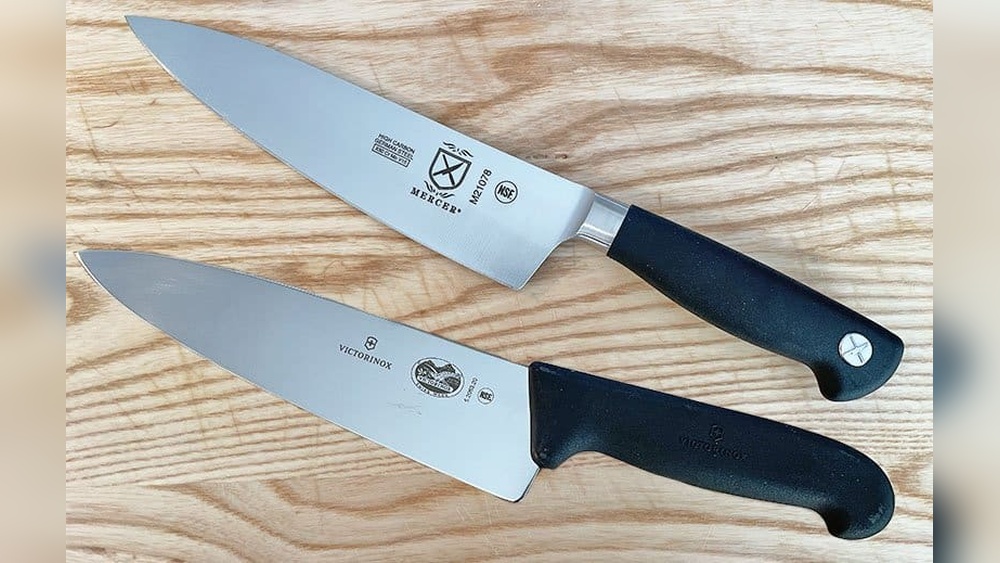
Choosing the right kitchen knife brand can be a defining factor in both professional and home cooking experiences. Among the most debated names in culinary circles are Mercer and Victorinox, two companies renowned for crafting reliable, high-performance knives. The decision between the two can affect everything from prep speed to cutting precision, not to mention long-term maintenance and value. As culinary demands increase, so does the scrutiny on tool selection, making a side-by-side comparison more essential than ever.
Both brands have amassed devoted followings and impressive reputations, but their approaches to knife design, material selection, and market focus differ in meaningful ways. Whether you’re outfitting a commercial kitchen, seeking your first chef’s knife, or looking to upgrade your entire cutlery set, understanding the strengths and limitations of Mercer and Victorinox is critical. This comprehensive analysis will guide you through their histories, product lines, manufacturing philosophies, and user experiences, empowering you to make an informed, confident choice.
Key Takeaways
- Mercer and Victorinox are leaders in affordable, high-quality kitchen knives, each with distinctive strengths.
- Victorinox is known for Swiss craftsmanship and its iconic Fibrox Pro line, while Mercer is praised for value-driven, robust knives popular in culinary schools.
- Both brands offer NSF-certified, dishwasher-safe options, but differ in blade materials and handle ergonomics.
- Mercer tends to provide more budget-friendly sets, whereas Victorinox excels in long-term edge retention and overall versatility.
- Customer support, warranty terms, and international availability vary between the two, impacting long-term satisfaction.
- Understanding your cooking style, maintenance preferences, and budget will determine which brand fits best.

Credit: vocal.media
Brand Background And Legacy
The Story Of Mercer Culinary
Founded in the United States, Mercer Culinary has established itself as a go-to brand for culinary professionals and educational institutions. Mercer’s mission is to deliver professional-grade knives at accessible price points, making them a staple in culinary schools and commercial kitchens across North America. The company’s focus extends beyond just knives to encompass a wide range of kitchen tools, but its cutlery remains the flagship product.
Mercer’s reputation stems from consistent performance, NSF certification (ensuring safety and hygiene), and a strong presence in the culinary education sector. The brand’s Millennia and Genesis lines are particularly popular, blending innovation with affordability. By targeting both students and working chefs, Mercer has built a reputation for practicality and reliability.
The Victorinox Heritage
Victorinox, founded in 1884 in Switzerland, is perhaps best known for creating the Swiss Army Knife. However, its kitchen knives have also achieved global recognition for quality and durability. Victorinox’s cutlery division draws from its long legacy of precision engineering, with production still centered in Switzerland. The company’s Fibrox Pro series, launched in the 1980s, became an industry benchmark, favored by both professionals and home cooks.
Victorinox’s approach emphasizes meticulous craftsmanship, rigorous quality control, and a commitment to sustainable manufacturing. The brand leverages its Swiss heritage to cultivate an image of trustworthiness and technical excellence, supported by international accolades and widespread distribution.
Brand Positioning In The Market
Mercer and Victorinox occupy overlapping but distinct spaces in the cutlery market. Mercer is often seen as the gateway for culinary students and budget-conscious buyers, while Victorinox appeals to those seeking Swiss engineering and a more global pedigree. Both brands are well represented in culinary competitions, foodservice establishments, and home kitchens, but their marketing strategies and pricing reflect different priorities.
Real-world Example: Culinary School Preferences
Many culinary schools in the United States issue Mercer knife kits to students due to the brand’s cost-effectiveness and durability. Conversely, Victorinox knives are often chosen by seasoned chefs who prioritize edge retention and a lighter, more balanced feel. This split illustrates how each brand has tailored its offerings to specific segments of the culinary world.
Product Lines And Signature Series
Mercer’s Key Knife Collections
Mercer’s product range is designed to address a wide spectrum of user needs. The most notable lines include:
- Millennia Series: Known for ergonomic handles, easy maintenance, and affordability. Widely used in culinary education.
- Genesis Series: Features fully forged German steel blades and Santoprene handles, offering a step up in durability and aesthetics.
- Renaissance Series: Aimed at professionals, this line offers triple-riveted handles and high-carbon, no-stain steel for enhanced performance.
- BPX and Züm Series: Targeting advanced users, these lines incorporate innovative materials and modern styling.
Each series is available in a variety of blade shapes and sizes, from chef’s and paring knives to specialty blades like boning and bread knives.
Victorinox’s Core Knife Offerings
Victorinox’s cutlery selection is anchored by several iconic lines:
- Fibrox Pro: The flagship line, lauded for slip-resistant handles and razor-sharp stamped blades. Favored by professionals for its balance of performance and price.
- Grand Maitre: Features fully forged, full-tang blades and elegant wooden handles, appealing to those who prefer a classic European feel.
- Swiss Classic: Offers lightweight, colorful handles and high-quality stainless steel blades, ideal for home cooks.
- Rosewood Collection: Combines traditional aesthetics with modern engineering, using beautiful rosewood scales.
Victorinox’s approach emphasizes lightweight construction, ergonomic design, and a focus on utility.
Comparison Table: Signature Series Overview
| Brand | Series | Blade Construction | Handle Material | Target User |
|---|---|---|---|---|
| Mercer | Millennia | Stamped, High-Carbon Steel | Textured Polypropylene & Santoprene | Students, Commercial Kitchens |
| Mercer | Genesis | Forged, German Steel | Santoprene | Pros, Advanced Home Cooks |
| Victorinox | Fibrox Pro | Stamped, Stainless Steel | Fibrox (Slip-Resistant) | Chefs, Home Cooks |
| Victorinox | Grand Maitre | Forged, Stainless Steel | POM or Wood | Enthusiasts, Pros |
Pro Tip:
When selecting a knife series, prioritize handle comfort and blade type (forged vs. stamped) based on your cutting style and hand size.
Short Case Study: Home Chef Upgrade
A home cook upgrading from an entry-level set often faces a choice between Victorinox’s Fibrox Pro and Mercer’s Genesis. In my experience, the Fibrox Pro’s lighter weight and non-slip grip suit high-volume vegetable prep, while the Genesis line offers better heft and control for those who prefer a more traditional, robust knife.

Credit: www.katom.com
Blade Materials And Craftsmanship
Steel Quality And Composition
Both brands use high-quality stainless steels, but their selections and heat treatments differ:
- Mercer: Typically uses X50CrMoV15 German steel for the Genesis and Renaissance lines, offering a balance of corrosion resistance and edge retention. The Millennia series uses Japanese or German high-carbon steels, which are easy to sharpen and maintain.
- Victorinox: Utilizes proprietary high-carbon stainless steel, hardened to a Rockwell rating of 55-56 HRC. This results in a tough, flexible blade that resists chipping and staining, with easy re-sharpening.
Forged Vs. Stamped Blades
- Forged blades (like Mercer Genesis and Victorinox Grand Maitre) are shaped from a single piece of steel, resulting in superior weight, balance, and edge life.
- Stamped blades (such as Mercer Millennia and Victorinox Fibrox Pro) are cut from flat steel sheets, making them lighter and more affordable but sometimes less durable.
Edge Retention And Sharpening
Victorinox knives are known for exceptional edge retention, requiring less frequent sharpening than most stamped competitors. Mercer’s forged blades perform well but may need more maintenance depending on use. Both brands are easy to hone with a standard steel and sharpen with a whetstone or pull-through sharpener.
Real-world Example: Commercial Kitchen Use
In fast-paced restaurant kitchens, Victorinox’s Fibrox Pro chef’s knife is often selected for its resilience and ease of maintenance, while Mercer’s Genesis is favored for butchery tasks requiring extra weight and control.
Manufacturing Standards
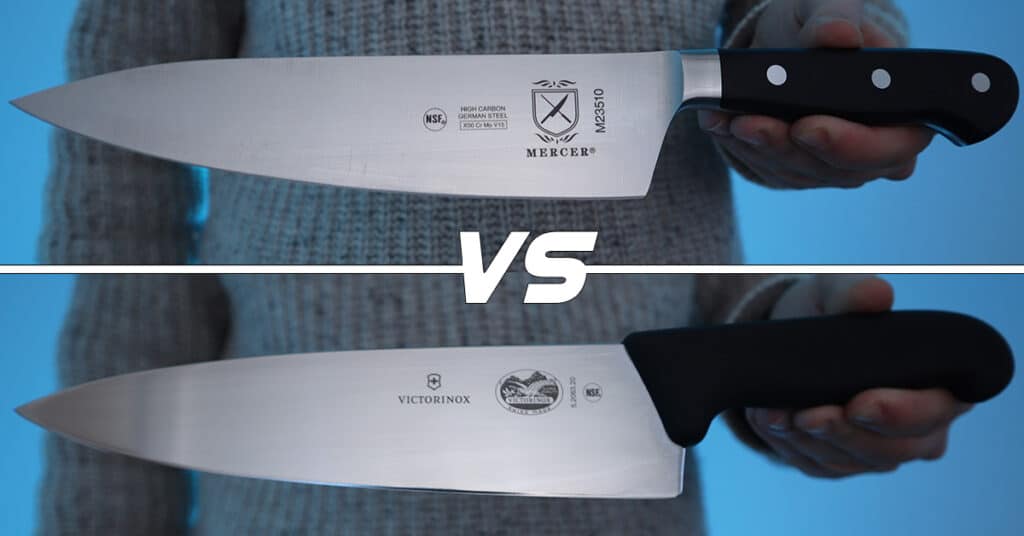
Mercer knives are manufactured in Taiwan and China under strict quality assurance protocols, while Victorinox maintains production in Switzerland, adhering to rigorous European standards. Both brands are NSF certified, signifying their suitability for professional foodservice.
Credit: kitchenknifeplanet.com
Handle Design, Ergonomics, And Safety
Handle Materials And Construction
- Mercer: Utilizes Santoprene (a rubber-like thermoplastic) for comfort and slip resistance in the Genesis line, and textured polypropylene/Santoprene blends for the Millennia series.
- Victorinox: Features the signature Fibrox handle, a textured, slip-resistant polymer, on its Pro line. The Grand Maitre and Rosewood collections use classic materials like POM and natural wood.
Ergonomic Considerations
Handle shape and weight balance are vital for long prep sessions. Mercer’s Millennia and Genesis handles are designed with finger guards and contours to reduce fatigue, making them popular in training environments. Victorinox’s Fibrox handle is universally praised for its non-slip grip, even when wet or greasy.
Safety Features
Both brands integrate finger guards and bolster designs to minimize slippage and enhance control, but Victorinox’s subtle finger notch on the Fibrox Pro is particularly effective in reducing accidental cuts.
Comparison Table: Handle Design And Ergonomics
| Brand | Series | Handle Material | Ergonomic Features |
|---|---|---|---|
| Mercer | Millennia | Polypropylene/Santoprene | Textured grip, finger guard |
| Mercer | Genesis | Santoprene | Contoured, non-slip, full bolster |
| Victorinox | Fibrox Pro | Fibrox polymer | Textured, slip-resistant, finger notch |
| Victorinox | Rosewood | Rosewood | Classic contour, smooth finish |
Example: Wet Prep Environments
In environments where hands are frequently wet, such as seafood prep, Victorinox Fibrox Pro handles provide superior grip, reducing the risk of knife accidents. Mercer Millennia also performs well, but the slightly softer Santoprene can degrade over years of heavy use.
Performance And User Experience
Cutting Performance
- Victorinox: Excels in precision slicing of fruits, vegetables, and proteins. Its thin, razor-sharp edge glides effortlessly and is especially favored for delicate tasks.
- Mercer: The forged Genesis and Renaissance knives offer more heft, making them ideal for tasks that require power, such as breaking down poultry or chopping root vegetables.
Weight And Balance
Victorinox knives are generally lighter, aiding in repetitive cutting and reducing fatigue. Mercer’s forged lines are heavier, providing better momentum for certain techniques but potentially tiring for extended use.
Maintenance And Cleaning
Both brands offer dishwasher-safe options, though hand washing is recommended to preserve blade integrity and handle quality. Victorinox’s stainless steel resists staining, while Mercer’s German steel blades may require more attentive drying to prevent corrosion.
User Reviews And Reputation
Victorinox’s Fibrox Pro chef’s knife is frequently cited as a best buy by publications like America’s Test Kitchen and The New York Times. Mercer’s Genesis is routinely praised on culinary school forums for its durability and value, with many users reporting years of reliable service.
Short Case Study: Professional Chef Experience
A line cook in a high-volume restaurant reported switching from Mercer Millennia to Victorinox Fibrox Pro after experiencing less hand fatigue and improved slicing accuracy during long shifts. However, they missed the heft and control of Mercer’s forged blades for butchery tasks.
Price, Value, And Warranty
Pricing Structure
- Mercer: Offers entry-level pricing, with Millennia knives starting at lower price points than most competitors. Genesis and Renaissance lines are priced competitively with mid-tier brands, making them accessible to students and professionals alike.
- Victorinox: Fibrox Pro knives are typically more expensive than Mercer’s Millennia, but still cost-effective compared to high-end Japanese or German brands. Grand Maitre and Rosewood lines command higher prices due to their materials and craftsmanship.
Value For Money
Mercer delivers strong value for budget-conscious buyers, especially in set purchases. Victorinox offers better long-term value for those prioritizing edge retention and lower maintenance.
Warranty Terms
- Mercer: Provides a limited lifetime warranty against defects in materials and workmanship.
- Victorinox: Also offers a lifetime warranty, with international support and a reputation for excellent customer service.
Comparison Table: Price And Value
| Brand | Entry-Level Chef’s Knife Price | Warranty | Value Proposition |
|---|---|---|---|
| Mercer | $20, $30 (Millennia) | Limited Lifetime | Best for budget and beginners |
| Victorinox | $35, $50 (Fibrox Pro) | Lifetime | Superior edge, longer-term value |
Example: Cost-conscious Buyer
For culinary students or home cooks assembling a starter set, Mercer’s Millennia series offers the lowest upfront cost. For those willing to invest a bit more, Victorinox’s Fibrox Pro delivers higher performance and may ultimately require fewer replacements.
Availability, Support, And Community
Distribution And International Reach
Victorinox enjoys global distribution and is widely available through both brick-and-mortar and online retailers. Mercer’s presence is strongest in North America but is expanding internationally.
Customer Support
Victorinox is noted for responsive customer service and efficient warranty claims, supported by a worldwide network. Mercer’s support is highly rated in the US but may be less accessible in some regions.
Community And Online Resources
Victorinox boasts a robust online community, including recipe sites, user forums, and YouTube tutorials. Mercer is well represented in culinary education circles, with many instructors and alumni sharing resources and advice.
Pro Tip:
Leverage online communities to find sharpening tips, maintenance guides, and performance reviews tailored to your chosen brand.
Sustainability And Ethical Practices
Environmental Policies
Victorinox has made public commitments to sustainable production, using hydropower in its Swiss factories and minimizing waste. The company recycles steel and emphasizes eco-friendly packaging.
Mercer is less vocal about sustainability but complies with NSF standards and maintains transparent manufacturing practices.
Social Responsibility
Victorinox supports various community initiatives and maintains strict labor standards. Mercer partners with culinary schools and invests in foodservice education, contributing to workforce development.
Example: Eco-conscious Purchasing
If minimizing environmental impact is a priority, Victorinox’s Swiss-made knives and sustainability disclosures may offer additional peace of mind. See more on their official site: Victorinox Sustainability.
Which Should You Choose? Mercer Vs Victorinox
For Students And Beginners
Mercer’s Millennia and Genesis lines are ideal for students and new cooks seeking affordable, reliable knives. The comfortable handles and broad range of available blade shapes make them a practical first choice.
For Professionals And Enthusiasts
Victorinox’s Fibrox Pro and Grand Maitre series shine for chefs who demand precision, longevity, and superior edge retention. The lighter weight and ergonomic handles are suited for those working long shifts or tackling intricate prep work.
For Budget-conscious Buyers
Mercer generally offers lower upfront costs, especially in set purchases. If budget is the primary concern, Mercer delivers excellent value without significant compromise on quality.
For Long-term Investment
Victorinox’s reputation for durability and easy maintenance make it a strong long-term investment, especially for those who prefer to buy once and use for years.
Side-by-side Recommendation Table
| User Type | Recommended Brand | Reason |
|---|---|---|
| Culinary Student | Mercer | Affordable sets, school partnerships |
| Home Cook (Everyday Use) | Victorinox | Edge retention, ergonomic handle |
| Professional Chef | Victorinox | Precision, lightweight, durability |
| Butchery/Heavy Duty | Mercer | Forged weight, robust build |
| Eco-Conscious Buyer | Victorinox | Sustainable manufacturing |
Pro Tip:
Visit a local kitchenware store to handle both brands in person, grip comfort and blade balance are best judged firsthand.
External Resource
For further technical comparisons and user reviews, check out Serious Eats.
Frequently Asked Questions
What Is The Main Difference Between Mercer And Victorinox Knives?
Mercer focuses on providing affordable, durable knives with ergonomic handles, making them popular in educational and entry-level professional environments. Victorinox emphasizes Swiss craftsmanship, lighter weight, and superior edge retention, catering to professionals and home cooks seeking long-term performance.
Are Both Brands Dishwasher Safe?
While both Mercer and Victorinox produce dishwasher-safe knives, hand washing is strongly recommended for both to preserve sharpness and handle integrity. Regular dishwasher use can accelerate wear and may void warranties.
Which Brand Is Better For Left-handed Users?
Both brands offer ambidextrous handle designs in most product lines, making them comfortable for left-handed users. However, users with specific ergonomic needs may prefer the symmetrical handles of Victorinox’s Fibrox Pro series.
How Do I Sharpen Mercer And Victorinox Knives?
Both brands’ knives are compatible with standard sharpening tools. For best results, use a whetstone or professional sharpener for Victorinox, and a honing steel or manual sharpener for Mercer. Regular honing extends edge life and ensures consistent performance.
Do Either Of The Brands Offer Custom Engraving Or Personalization?
Victorinox offers custom engraving services for select products through their official website and authorized retailers. Mercer does not widely publicize personalization options, but some distributors may offer engraving on bulk or institutional orders.
Selecting between Mercer and Victorinox comes down to your priorities: value and accessibility versus edge retention and heritage. Both brands offer reliable performance, but the subtle differences in material, design, and community support may tip the balance for you. Whether you’re prepping for culinary school, outfitting a restaurant, or upgrading your home kitchen, an informed choice will ensure years of satisfying, safe, and efficient cooking.