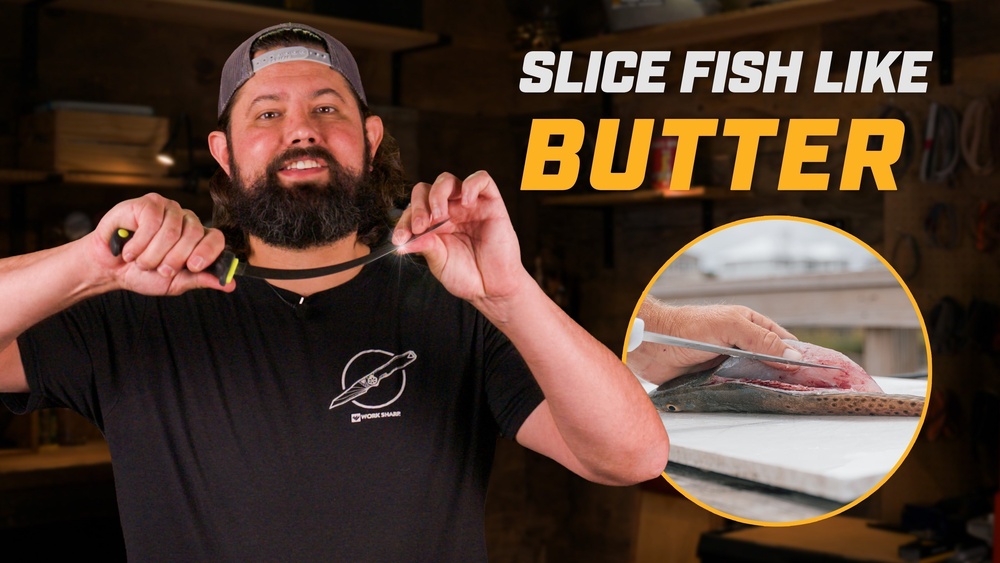
Filleting fish is both an art and a science. Many home cooks and even some restaurant chefs struggle to get clean, beautiful fillets, and often the culprit isn’t the fish or the knife, it’s the angle of the blade. If you want fillets that slide cleanly off the bone and look professional on the plate, knowing the right angle to hold your knife is essential.
But there’s more to it than just numbers. Factors like knife type, fish species, and your own hand position all matter. This guide will take you through everything you need to know about the perfect angle for filleting fish, so you get better results every time.
Why Knife Angle Matters In Fish Filleting
A good fillet starts with the correct knife angle. The angle you hold your knife determines how easily the blade glides along the bones, how much meat you leave behind, and whether the fillet stays smooth or becomes ragged. Too steep an angle and you risk cutting into the bones; too shallow and you may leave a lot of flesh behind.
Most experienced fishmongers agree: a 15 to 20-degree angle is ideal for most filleting tasks. This range allows the blade to stay close to the bones, minimizing wasted meat, while also protecting the delicate flesh from tearing. If you’re new to this, think of the angle as slightly more open than the blade you use to slice vegetables, but not as flat as you’d use to skin a fish.
But why not just use a flat angle (0 degrees) or a steep one (45 degrees)? At a flat angle, the knife may scrape bones and produce uneven cuts. At a steep angle, you’ll cut into the rib bones, damaging both your knife and the fillet.
The sweet spot, 15 to 20 degrees, lets the blade “ride” along the rib cage, separating flesh from bone efficiently.
Understanding Knife Types And Their Role
Not all knives are created equal when it comes to filleting fish. The blade’s length, flexibility, and sharpness all influence the angle you should use.
| Knife Type | Blade Length | Flexibility | Best For |
|---|---|---|---|
| Fillet Knife | 6-9 inches | High | Most fish filleting |
| Boning Knife | 5-7 inches | Medium | Larger or tougher fish |
| Chef’s Knife | 8-10 inches | Low | Basic cuts (not ideal for filleting) |
A fillet knife is designed for this job. Its narrow, flexible blade allows you to maintain a consistent angle, easily following the contours of the fish. A boning knife is stiffer, which can help with larger fish or thicker bones but may be harder to control at fine angles.
Pro Tip: If you’re using a stiff knife, you might need to open the angle a little more (closer to 20 degrees) to avoid cutting into the bone, whereas a flexible knife can stay closer to 15 degrees.
How Fish Size And Species Affect Knife Angle
Different fish require slightly different approaches. The thickness of the bones, the softness of the flesh, and the size of the fish can all change the optimal angle.
- Small, delicate fish (like trout or sardines) benefit from a slightly shallower angle, closer to 15 degrees, to avoid tearing the thin flesh.
- Large, firm fish (like salmon or tuna) can handle a steeper angle, up to 20 degrees, since their bones are thicker and the flesh holds together better.
Here’s a comparison of typical fish and suggested knife angles:
| Fish Type | Suggested Angle | Notes |
|---|---|---|
| Trout | 15° | Very delicate flesh |
| Snapper | 17° | Moderate firmness |
| Salmon | 20° | Thicker bones, firm flesh |
| Cod | 18° | Medium thickness |
Example: When I filleted a 5-pound salmon for a family dinner, I found that holding my knife at about 20 degrees let me separate the flesh cleanly from the rib cage without leaving too much meat on the bones. With a small trout, a flatter angle worked better to avoid tearing.
Step-by-step Guide To Filleting At The Correct Angle
Getting the angle right is only part of the process. Here’s how to put it all together.
1. Prepare Your Workspace
Start with a clean, stable cutting board. Make sure your knife is razor-sharp, a dull blade will force you to push harder, making it nearly impossible to keep a consistent angle.
2. Position The Fish
Lay the fish flat, with the head facing your non-dominant hand. Pat it dry with a paper towel for better grip.
3. Make The First Cut Behind The Gills
Insert the tip of the knife just behind the gills, angling the blade about 15, 20 degrees toward the head. Cut down to the backbone, but not through it.
4. Glide Along The Backbone
Turn the knife so it runs parallel to the backbone, keeping the same angle. Use long, gentle strokes. Let the knife “ride” the bones, adjusting the angle as needed to stay close without cutting into them.
5. Remove The Fillet
As you reach the tail, keep the blade at the correct angle and finish the cut. Lift the fillet away, then check for any bones left behind.
6. Skin The Fillet (optional)
If you want skinless fillets, place the fillet skin-side down. Start at the tail end, slip the knife between skin and flesh at a 10, 15 degree angle, and gently push forward while holding the skin taut.
Pro Tip: Don’t rush. A controlled, steady hand keeps the angle consistent, producing cleaner fillets.
Common Mistakes And How To Avoid Them
Even experienced cooks can make errors when filleting fish. Here’s what to watch out for:
- Wrong Knife Angle: Holding the knife too flat or too upright leads to wasted meat or damaged fillets. Practice holding your knife at a 15, 20-degree angle against a ruler or protractor until it feels natural.
- Dull Knife: A dull blade requires more force, making it harder to control the angle and more likely to slip. Always sharpen your knife before filleting.
- Jerky Movements: Uneven strokes change the angle mid-cut, resulting in ragged fillets. Use smooth, gentle motions.
- Not Adjusting for Fish Type: Using the same angle for all fish ignores differences in bone structure and flesh texture. Adjust as needed.
- Improper Hand Placement: Keeping your guiding hand too close to the blade can cause slips or injuries. Position your hand to steady the fish without interfering with the knife’s path.
Warning: Never try to fillet fish with a serrated knife. The teeth catch on bones and skin, making angle control impossible and increasing the risk of injury.
Tools And Accessories That Help Maintain The Right Angle
Several tools make it easier to keep a consistent angle when filleting fish:
- Fillet Knife with Angle Guide: Some knives include built-in guides or markings that help you maintain the right tilt.
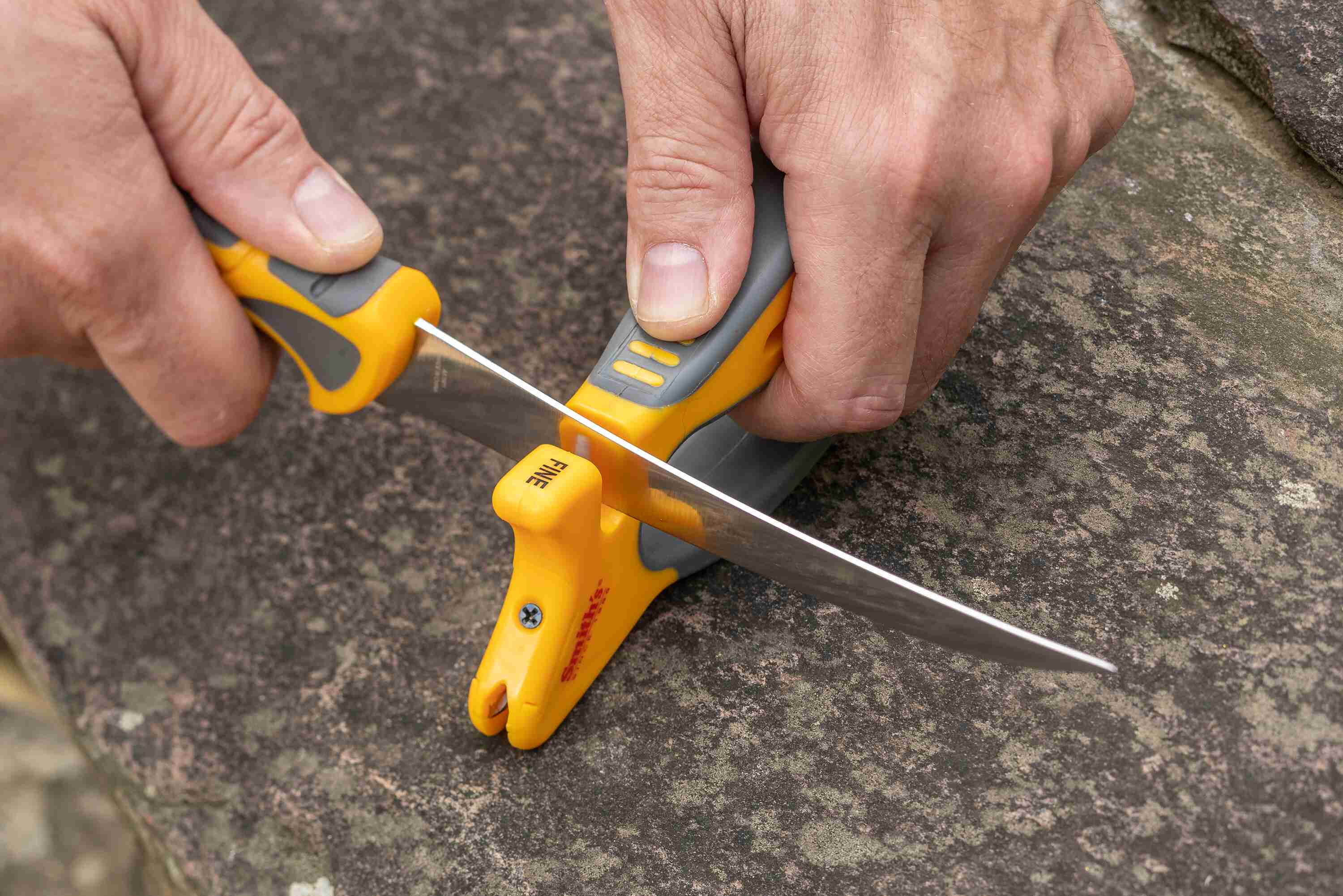
- Knife Sharpening System: A system that sharpens at a set angle helps keep your blade edge at the optimal 15, 20 degrees, making angle control easier during filleting.
- Cut-Resistant Gloves: These protect your hands and let you focus on the correct angle, especially if you’re new to filleting.
- Fish Clamp or Pin Bone Tweezers: Holding the fish steady helps you concentrate on knife angle rather than grip.
Using the right tools can make a big difference, especially for beginners who are still learning the feel of the correct angle.
How Professionals Fillet Fish
Watching an expert fillet a fish can be eye-opening. Professional fishmongers and chefs use a few key techniques:
- Consistent Pressure: They let the weight of the knife do the work, maintaining a steady angle and pressure so the blade follows the bones naturally.
- Wrist Movement: Instead of moving the whole arm, they use wrist action to guide the blade, which allows for finer angle adjustments.
- Feeling for the Bones: Pros often use their non-dominant hand to gently press the fillet as they cut, feeling where the blade is in relation to the bones.
In my experience working alongside a sushi chef, I noticed that the best fillets came from those who kept their blades at a constant angle and used long, sweeping motions, never short, choppy cuts.
Filleting Techniques For Left-handed And Right-handed Users
Knife angle can also depend on whether you’re left- or right-handed. Most fillet knives are symmetrical, but your dominant hand will influence the way you approach the fish.
- Right-Handed: Place the fish with the head on your left, tail on your right. The blade should angle down and toward the bones at 15, 20 degrees as you cut from head to tail.
- Left-Handed: Reverse the setup: head on your right, tail on your left. Angle the blade the same way, but your wrist movement will be opposite.
Some high-end Japanese knives are ground on only one side (single bevel), which makes them easier to control at the right angle if you use the correct hand. If you are left-handed, consider buying a knife designed for your grip.

Credit: smithsproducts.com
Adjusting Knife Angle For Different Filleting Tasks
Not every part of the fish requires exactly the same angle. Here’s how to adjust for special cuts:
Removing Pin Bones
When extracting small bones, use a slightly steeper angle (around 20, 25 degrees) to slip under the bone without damaging the fillet.
Trimming Belly Fat
For thin sections like the belly, use a shallower angle (closer to 10, 12 degrees) to avoid tearing the soft flesh.
Skinning
As mentioned earlier, skinning works best with a 10, 15 degree angle, allowing the knife to glide just above the skin, leaving the meat intact.
Example: When preparing sashimi, I start with a 20-degree angle to separate the fillet, then switch to a flatter angle for skinning and trimming, ensuring each piece is clean and uniform.
Comparing Filleting Angles With Other Knife Skills
Filleting fish requires a different angle compared to other common kitchen tasks. Here’s a quick comparison:
| Task | Typical Angle | Goal |
|---|---|---|
| Filleting Fish | 15, 20° | Close to bones, clean cuts |
| Chopping Vegetables | 30, 45° | Even slices, less precision needed |
| Carving Meat | 25, 30° | Slice across grain, avoid tearing |
| Skinning Fish | 10, 15° | Leave meat, remove skin |
Understanding these differences helps you switch techniques easily and avoid mistakes.
Credit: smithsproducts.com
How To Practice And Improve Your Knife Angle
Like any skill, getting the knife angle right takes practice. Here are some methods to improve:
- Use a Protractor: Place a small protractor next to your cutting board and visually match your knife angle before starting.
- Mark the Blade: Put a small sticker or piece of tape on your knife at the 15, 20-degree mark as a guide.
- Practice on Cheap Fish: Start with inexpensive or practice fish (like tilapia) before moving to expensive salmon or sea bass.
- Watch Slow-Motion Videos: Many cooking schools post slow-motion filleting videos. Watching these can help you visualize the correct angle.
- Seek Feedback: After filleting, examine the bones. If there’s a lot of meat left, your angle was too steep; if the fillet is ragged, the angle was too shallow.
Pro Tip: Don’t be discouraged by early mistakes. Most home cooks improve dramatically after just a few practice sessions.
The Role Of Knife Maintenance
A sharp knife is easier to control at any angle. Honing your knife before each use keeps the edge ready and responsive.
- Honing Rods: Use a steel or ceramic rod at the same 15, 20-degree angle to realign the edge.
- Whetstones: Sharpen your knife every few months, following the manufacturer’s recommended angle (usually 15, 20 degrees for fillet knives).
A well-maintained knife not only makes filleting easier but also safer, since you’re less likely to slip and injure yourself.

Credit: www.industrykitchens.com.au
Safety Tips When Filleting Fish
Safety is just as important as technique. Here’s how to stay safe:
- Use a Non-Slip Mat: Place a damp towel under your cutting board to prevent slipping.
- Cut Away from Yourself: Always move the knife away from your body, especially when working near bones.
- Keep Fingers Clear: Use your non-dominant hand to hold the fish by the head or tail, keeping fingers curled and out of the way.
- Store Knives Properly: After filleting, clean and store your knife safely to avoid accidents.
If you’re new to filleting, consider wearing a cut-resistant glove on your non-dominant hand for extra protection.
Frequently Asked Questions
What’s The Best Knife Angle For Beginners When Filleting Fish?
For beginners, a 15, 20-degree angle is the safest and most effective range. It provides a balance between staying close to the bones and avoiding tearing the fillet. Practicing with this angle on a few fish will help you develop muscle memory and confidence.