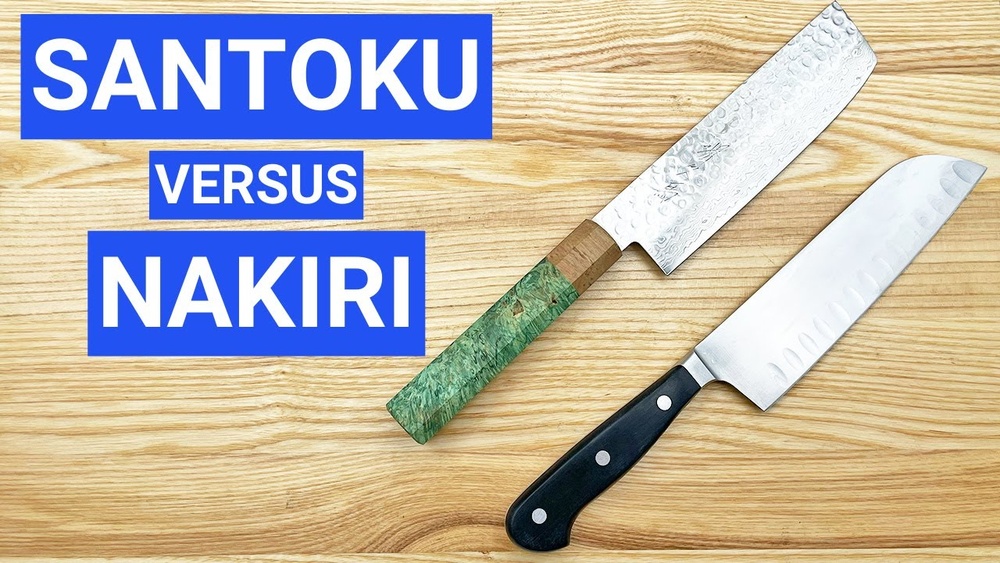
The world of Japanese kitchen knives is vast and nuanced, offering chefs and home cooks specialized tools for every task. Among the most popular and often compared are the Nakiri knife and the Santoku knife, two blades that embody Japanese craftsmanship yet differ significantly in their design, function, and ideal use cases. Choosing between these knives can be challenging, especially for those seeking to elevate their cooking experience with the right tools.
Understanding the distinctions between Nakiri and Santoku knives is more than an academic exercise; it directly impacts the efficiency, precision, and enjoyment of meal preparation. This article explores their features, historical roots, practical applications, and how each performs in real kitchens.
Whether you’re a culinary professional or a home cook, you’ll gain clarity on which knife best suits your needs, supported by data, expert opinions, and actionable guidance.
Key Takeaways
- Nakiri knives excel at vegetable preparation due to their straight blade and double bevel.
- Santoku knives are versatile, handling meat, fish, and vegetables with ease.
- Design differences impact cutting technique, safety, and efficiency.
- Choosing the right knife depends on cooking habits, hand size, and skill level.
- Both knives require proper care and maintenance for longevity.
- Real-world examples show how each knife performs in professional and home kitchens.

Credit: www.reddit.com
The Origins And Design Philosophy Of Nakiri And Santoku Knives
Japanese knives have a rich heritage, shaped by centuries of culinary tradition and craftsmanship. The Nakiri and Santoku knives emerged from distinct cultural needs, influencing their design and purpose.
Nakiri Knife: Vegetable Specialist
The Nakiri knife was developed during the Edo period (1603, 1868) to meet the demands of vegetarian Buddhist cuisine. Its straight-edged blade (typically 5, 7 inches long) allows for precise vertical cuts and easy chopping without rocking. The blade is thin and double-beveled, making it ideal for slicing, dicing, and mincing vegetables. The flat profile ensures that the entire edge contacts the cutting board, minimizing the need for repeated strokes.
The Nakiri’s design reflects the Japanese aesthetic of simplicity and efficiency. Its rectangular shape and lightweight build reduce fatigue during extended prep sessions. Unlike Western-style knives, Nakiri blades are usually made from high-carbon steel or layered Damascus steel, offering exceptional sharpness and edge retention.
Santoku Knife: Multipurpose Utility
The Santoku knife, whose name means “three virtues” (meat, fish, vegetables), was introduced in the mid-20th century as a versatile solution for Japanese home cooks. Its blade measures between 5 and 7 inches, featuring a slightly curved edge and a sheep’s foot tip. This design combines the chopping power of a Nakiri with the slicing and dicing ability of a Western chef’s knife.
Santoku knives are renowned for their adaptability. The blade’s gradual curve supports rocking motions, while the wide profile aids scooping and transferring ingredients. Many Santoku knives incorporate a granton edge (hollowed-out indentations) to reduce food sticking, enhancing speed and efficiency.
| Feature | Nakiri Knife | Santoku Knife |
|---|---|---|
| Blade Shape | Rectangular, straight edge | Curved edge, sheep’s foot tip |
| Typical Length | 5, 7 inches | 5, 7 inches |
| Primary Use | Vegetables | Meat, fish, vegetables |
| Edge Type | Double bevel | Double bevel, often granton edge |
| Cutting Technique | Vertical chopping | Rocking, chopping, slicing |

Credit: prudentreviews.com
Comparing Nakiri And Santoku Knives: Design, Functionality, And Performance
To make an informed choice, it’s essential to analyze how Nakiri and Santoku knives differ in practical terms. This section examines their design elements, cutting techniques, and performance in various kitchen scenarios.
Blade Geometry And Material
Nakiri blades are generally thinner and lighter, with a straight edge that encourages a push-cut or chop. This geometry reduces resistance and allows for clean, uniform cuts of soft produce like tomatoes and cucumbers. High-carbon steel Nakiri knives offer razor-sharp edges, but require diligent care to prevent rust.
Santoku knives, by contrast, are slightly thicker and heavier. Their rounded edge supports rocking cuts, making them suitable for tougher ingredients like meat and root vegetables. The granton edge found on many Santoku knives minimizes food sticking, which is especially useful when working with moist or sticky items.
Both knives are available in stainless steel and Damascus variants. Stainless steel resists corrosion and is easier to maintain, while Damascus knives are prized for their layered patterns and superior edge retention.
Handle Design And Ergonomics
Handle shape influences grip comfort and control. Nakiri knives often feature traditional Japanese wa handles made from wood or composite materials. These handles are lightweight and cylindrical, promoting agility during rapid chopping.
Santoku knives frequently adopt Western-style yo handles, which are heavier and have pronounced bolsters. This design offers a secure grip and balances the weight of the blade, aiding in prolonged use. Some Santoku models also incorporate ergonomic features for improved comfort.
Cutting Techniques And Efficiency
Nakiri knives shine in repetitive, straight-down cuts. Their flat edge ensures that vegetables are sliced cleanly without tearing, making them ideal for prepping delicate greens, root vegetables, and fruits. The rectangular blade doubles as a scoop for transferring chopped ingredients.
Santoku knives accommodate a wider range of techniques. The slightly curved edge enables rocking cuts, while the broad blade assists with slicing meat and fish. The granton edge reduces friction, allowing for faster prep with minimal sticking.
Safety And Precision
Safety is paramount in kitchen knife selection. Nakiri knives, with their flat blade and short tip, reduce the risk of accidental punctures. The design encourages a controlled chopping motion, minimizing slippage.
Santoku knives, while versatile, require caution due to their pointed tip and heavier build. The granton edge improves safety by reducing food adhesion and the need for extra force. Both knives demand proper technique to avoid injury.
| Attribute | Nakiri Knife | Santoku Knife |
|---|---|---|
| Weight | Light | Moderate |
| Edge Maintenance | Frequent sharpening | Less frequent, easier to maintain |
| Food Sticking | Minimal with flat blade | Reduced with granton edge |
| Safety | Low puncture risk | Medium puncture risk |

Credit: www.youtube.com
Real-world Examples: Nakiri Vs Santoku In Professional And Home Kitchens
The theoretical advantages of Nakiri and Santoku knives translate differently in the hands of chefs and home cooks. Here are concrete examples of their use and impact.
Example: Nakiri Knife In A Vegetarian Restaurant
At Shojin Ryori, a Tokyo-based vegetarian restaurant, the Nakiri knife is the primary tool for prepping vegetables. Chefs rely on its straight edge for precision cuts, ensuring uniform slices of daikon, carrots, and cucumbers. The lightweight blade reduces fatigue during extended prep, and the rectangular shape facilitates scooping produce directly into pans.
Pro Tip: The Nakiri’s thin blade is ideal for paper-thin vegetable slices, but it can chip if used on hard ingredients like bones or frozen foods.
Example: Santoku Knife For Home Cooks
In my experience, using a Santoku knife for weeknight meal prep offers unmatched versatility. The blade handles chicken breasts, fish fillets, and vegetables without the need for multiple knives. The granton edge prevents potato slices from sticking, speeding up prep time.
The ergonomic handle supports comfortable chopping, even during lengthy sessions.
Example: Santoku Knife In A Sushi Kitchen
At Sushi Yasuda in New York, Santoku knives are favored for their ability to perform both slicing and dicing tasks. Chefs use them to portion sashimi, dice vegetables for garnishes, and slice cooked meats. The wide blade allows for easy ingredient transfer and precise cuts, supporting the fast-paced demands of a sushi kitchen.
Example: Nakiri Knife For Home Vegetable Prep
A home cook preparing vegetarian stir-fry finds the Nakiri knife indispensable. Its straight edge ensures every bell pepper and onion slice is uniform, leading to even cooking and attractive presentation. The blade doubles as a scoop, streamlining the workflow from cutting board to wok.
Choosing The Right Knife: Factors To Consider
Selecting between a Nakiri and Santoku knife involves more than understanding their features; it requires matching the knife to your cooking style, skill level, and kitchen environment.
Cooking Habits And Typical Ingredients
Consider what you cook most often:
- Vegetable-heavy diets: Nakiri knife excels, offering rapid, precise chopping.
- Mixed meals (meat, fish, vegetables): Santoku knife’s versatility covers a broad range of tasks.
If your kitchen routines involve frequent vegetable prep, the Nakiri’s straight blade will save time and effort. For those who need a single knife for diverse ingredients, the Santoku is a practical choice.
Hand Size And Comfort
Knife comfort is highly personal. Nakiri knives are generally lighter, suiting those with smaller hands or limited grip strength. Their cylindrical wa handles encourage nimble movements.
Santoku knives, with broader handles and heavier build, suit larger hands and those preferring a firmer grip. Try both in-store or order from retailers with flexible return policies to ensure the right fit.
Skill Level And Technique
Beginners may find Nakiri knives easier to master due to their straightforward chopping motion and reduced puncture risk. Experienced cooks who use rocking techniques will appreciate the Santoku’s curved edge.
Santoku knives demand more skill in handling meat and fish, while Nakiri knives are forgiving for vegetable prep. Both knives require proper care, regular sharpening and hand-washing, to maintain peak performance.
Kitchen Size And Storage
Nakiri knives are compact and easy to store, ideal for small kitchens. Santoku knives, with wider blades, may require more space but offer broader utility.
Pro Tip: Use blade guards or dedicated knife blocks to protect edges and ensure safety, regardless of knife type.
Maintenance, Care, And Longevity
Proper maintenance is essential for preserving the performance and lifespan of Nakiri and Santoku knives.
Sharpening And Honing
Nakiri knives, with their thin blades, require frequent sharpening, ideally with a whetstone. The straight edge simplifies sharpening, but care must be taken to avoid over-grinding.
Santoku knives, especially those with granton edges, can be sharpened with honing rods or whetstones. Their thicker blades retain edges longer, but regular maintenance is still necessary.
Cleaning And Storage
Both knives should be hand-washed with mild soap and dried immediately to prevent corrosion. Avoid dishwashers, as high heat and harsh detergents damage steel and handles.
Store knives in a block, magnetic strip, or sheath to protect the edge and reduce accidents. Wooden handles benefit from occasional oiling to prevent drying and cracking.
Repair And Replacement
High-quality Japanese knives can last decades with proper care. If blades chip or handles loosen, consult a professional sharpener or knife repair specialist. Avoid DIY fixes unless you have experience.
| Maintenance Task | Nakiri Knife | Santoku Knife |
|---|---|---|
| Sharpening Frequency | Every 2-4 weeks | Every 4-8 weeks |
| Cleaning Method | Hand wash only | Hand wash only |
| Storage | Block, strip, sheath | Block, strip, sheath |
| Handle Care | Oil wooden handles | Oil wooden handles |
Price, Availability, And Value For Money
Japanese knives vary widely in price, reflecting differences in materials, craftsmanship, and brand reputation.
Nakiri Knife Pricing
Nakiri knives range from $40 for entry-level models to $300+ for handcrafted, Damascus steel versions. Mid-range Nakiris ($80, $150) offer a balance of quality and affordability. Premium brands like Shun, Miyabi, and Masamoto are highly regarded for their consistent performance and durability.
Santoku Knife Pricing
Santoku knives start at $30 for basic stainless steel variants and reach $400 for artisan-forged blades. The granton edge and ergonomic handles often add to the price. Brands such as Global, Yoshihiro, and Tojiro produce reliable Santokus for home and professional use.
Availability And Buying Tips
Both knives are readily available online and in specialty kitchen stores. Look for reputable retailers that offer warranties and sharpening services. Avoid counterfeit products by purchasing from authorized dealers.
Pro Tip: Research knife reviews and test models in-store whenever possible. Quality knives feel balanced, sharp, and comfortable in hand.
Nakiri Knife Vs Santoku Knife: Data-driven Performance Comparison
Objective data helps clarify which knife performs better for specific tasks. Below is a comparison table based on expert reviews and user feedback.
| Performance Metric | Nakiri Knife | Santoku Knife |
|---|---|---|
| Vegetable Slicing Speed | Fast | Moderate |
| Meat Cutting Efficiency | Poor | Good |
| Fish Filleting | Not suitable | Moderate |
| Precision | High for vegetables | High for mixed tasks |
| Edge Retention | Moderate | High |
| Food Sticking | Low | Very low (granton edge) |
| Ease of Use | Easy for beginners | Easy for intermediate users |
According to the Wikipedia Japanese Knife Guide, both Nakiri and Santoku knives are essential in the Japanese kitchen, but their strengths are clear: Nakiri is unmatched for vegetables, while Santoku’s versatility covers most daily cooking needs.
Expert Opinions And Culinary Trends
Professional chefs and culinary educators offer valuable insight into the practical benefits of Nakiri and Santoku knives.
Chef Testimonials
Chef Hiroyuki Terada, renowned for his knife skills, emphasizes the Nakiri’s value for vegetable prep, stating, “A Nakiri is indispensable for achieving uniform cuts and maximizing flavor extraction from fresh produce. ”
Chef Sara Moulton, a proponent of Santoku knives, notes their adaptability: “Santoku knives bridge the gap between Japanese and Western techniques, allowing home cooks to tackle multiple ingredients with confidence.”
Culinary Trends
Recent consumer surveys indicate that Santoku knives outsell Nakiri knives in the US by a margin of 2:1, reflecting a preference for versatile tools. However, professional kitchens increasingly adopt Nakiri knives for specialized vegetable stations, driven by the rise of plant-based cuisine.
According to the Serious Eats Japanese Knife Buying Guide, investing in both Nakiri and Santoku knives is recommended for cooks seeking maximum flexibility and performance.
Frequently Asked Questions
What Are The Main Differences Between Nakiri And Santoku Knives?
The Nakiri knife features a straight-edged, rectangular blade designed for precise vegetable chopping. The Santoku knife has a curved edge and sheep’s foot tip, supporting rocking cuts and handling meat, fish, and vegetables. Nakiri knives specialize in vegetable prep, while Santoku knives offer broader versatility.
Can I Use A Nakiri Knife For Meat Or Fish?
Nakiri knives are not ideal for cutting meat or fish. Their thin, straight blade is prone to chipping when used on tough or bone-in ingredients. For meat and fish, a Santoku knife or a dedicated chef’s knife is recommended to ensure durability and precision.
Are Santoku Knives Suitable For Professional Chefs?
Yes, Santoku knives are widely used by professional chefs, especially in environments where versatility is required. Their ability to handle multiple ingredients and cutting techniques makes them valuable in both restaurant and home kitchens.
How Should I Sharpen And Maintain These Knives?
Both Nakiri and Santoku knives should be sharpened with a whetstone or honing rod. Nakiri knives require more frequent sharpening due to their thin edge. Always hand wash and dry knives immediately, and store them properly to prevent damage. Wooden handles benefit from occasional oiling.
What Is The Best Way To Test Which Knife Suits Me?
Visit a specialty kitchen store and handle both Nakiri and Santoku knives. Pay attention to grip comfort, balance, and ease of cutting. Many retailers offer return policies or in-store demonstrations, allowing you to try before you buy. Consider your primary cooking tasks when making your decision.
Finding the right knife can transform your cooking experience, offering greater precision, safety, and enjoyment. Whether you choose a Nakiri or Santoku knife, invest in proper care and technique to maximize their benefits. With informed selection and ongoing maintenance, these iconic Japanese knives will serve you well for years to come.