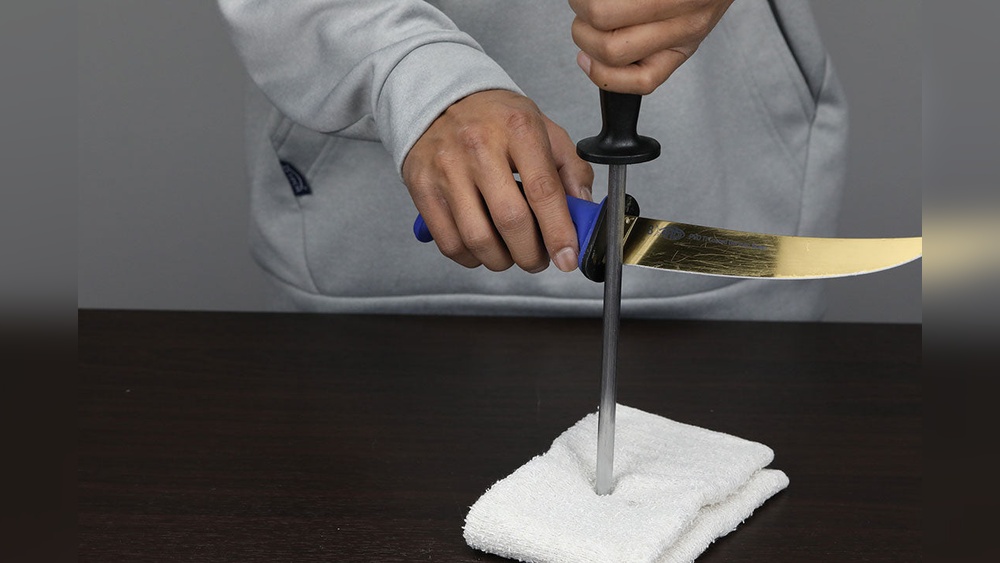
A sharp fillet knife is a must-have tool for anyone who enjoys preparing fish, poultry, or even fine cuts of meat. If you’ve ever tried slicing a delicate fish with a dull blade, you know the struggle: torn flesh, uneven cuts, and wasted effort. Knowing how to sharpen a fillet knife isn’t just about keeping your blade in good shape, it’s about making food preparation easier, safer, and more enjoyable. This guide explains the process step by step, highlighting common mistakes, different sharpening tools, and advanced tips most beginners miss. Whether you’re a home cook, angler, or professional chef, you’ll find actionable advice here to keep your fillet knife razor-sharp.
Why Fillet Knives Need Special Attention
Fillet knives stand apart because of their thin, flexible blade. Unlike a chef’s knife, they are designed to make precise, gentle cuts along bones and skin. This thinness means they dull faster and are also more delicate when sharpening. If you sharpen a fillet knife like a regular kitchen knife, you risk damaging its edge or ruining its flexibility.
A dull fillet knife can slip, which increases the risk of kitchen injuries. It also wastes meat, making it harder to get clean fillets, especially with fish. Keeping your knife sharp is not just a matter of convenience but also food quality and safety.
Choosing The Right Sharpening Tool
Not all sharpening tools are suitable for fillet knives. Picking the right one can make the process easier and protect your blade’s unique qualities.
| Sharpening Tool | Best For | Pros | Cons |
|---|---|---|---|
| Whetstone | Manual, precise sharpening | Custom angle, gentle on blade | Requires skill and practice |
| Pull-through Sharpener | Quick touch-ups | Easy to use, fast results | Less control, can wear blade unevenly |
| Sharpening Rod (Honing Steel) | Edge alignment between uses | Extends sharpness, easy to store | Doesn’t restore a dull edge fully |
| Electric Sharpener | Multiple knives, speed | Convenient, consistent angle | Can remove too much metal, not always flexible enough for thin blades |
Pro Tip: If you want the best edge, use a combination of a whetstone and a honing rod. The whetstone sets the edge, while the rod keeps it aligned and sharp between uses.
Understanding Knife Angles
The angle at which you sharpen your knife matters more than many realize. Most fillet knives perform best at a 15 to 20-degree angle. This is sharper than the 20-25 degrees used for general kitchen knives. A lower angle provides a finer, razor-like edge, perfect for filleting. However, go too low, and the edge becomes weak and chips easily.
When sharpening, try to maintain a consistent angle. Inconsistent angles lead to uneven edges, making your knife less effective and harder to sharpen next time. Some sharpening systems come with angle guides to help you keep steady.
Step-by-step: How To Sharpen A Fillet Knife With A Whetstone
Using a whetstone provides the best control and protects your knife’s flexibility. Here’s a detailed walkthrough for best results.
1. Gather Your Materials
- Fillet knife
- Whetstone (medium grit 1000, fine grit 3000, 6000)
- Water or honing oil (as recommended for your stone)
- Towel or non-slip mat
2. Prepare The Whetstone
Soak the stone in water for about 10, 15 minutes if it’s a water stone. For oil stones, apply a thin layer of honing oil. This prevents metal shavings from clogging the stone and gives a smoother sharpening action.
3. Secure Your Sharpening Area
Place the stone on a non-slip surface to keep it steady. A damp towel works well. Stability is key for safety and even sharpening.
4. Determine The Correct Angle
Hold your knife at a 15 to 20-degree angle to the stone. For reference, 15 degrees is about the height of two stacked coins under the spine of the blade. Maintaining this angle is essential for a clean, sharp edge.
5. Sharpen One Side
- Start at the base of the blade.
- Draw the knife across the stone, moving from heel to tip in a smooth motion, as if you are trying to slice a thin layer off the stone.
- Use gentle, consistent pressure.
- Repeat this motion 6, 10 times, or until you feel a slight burr (a tiny raised edge) on the other side.
6. Switch Sides
Turn the knife and repeat the same number of strokes on the other side. Again, keep the angle steady and use light pressure.
7. Move To The Fine Grit
Swap to the fine side of the whetstone. Repeat the process, but with even lighter pressure. This polishes the edge and removes any burrs, leaving a razor-sharp finish.
8. Rinse And Dry
Wipe the blade with a damp cloth to remove any metal filings. Dry the knife thoroughly to prevent rust.
9. Finish With A Honing Rod
A ceramic or steel honing rod helps align the microscopic teeth on the edge. Hold the knife at the same angle as before, and gently sweep the blade along the rod 2, 3 times per side.
10. Test The Edge
Carefully slice through a sheet of paper or a tomato. A properly sharpened fillet knife should glide through with little resistance.
Using Pull-through And Electric Sharpeners
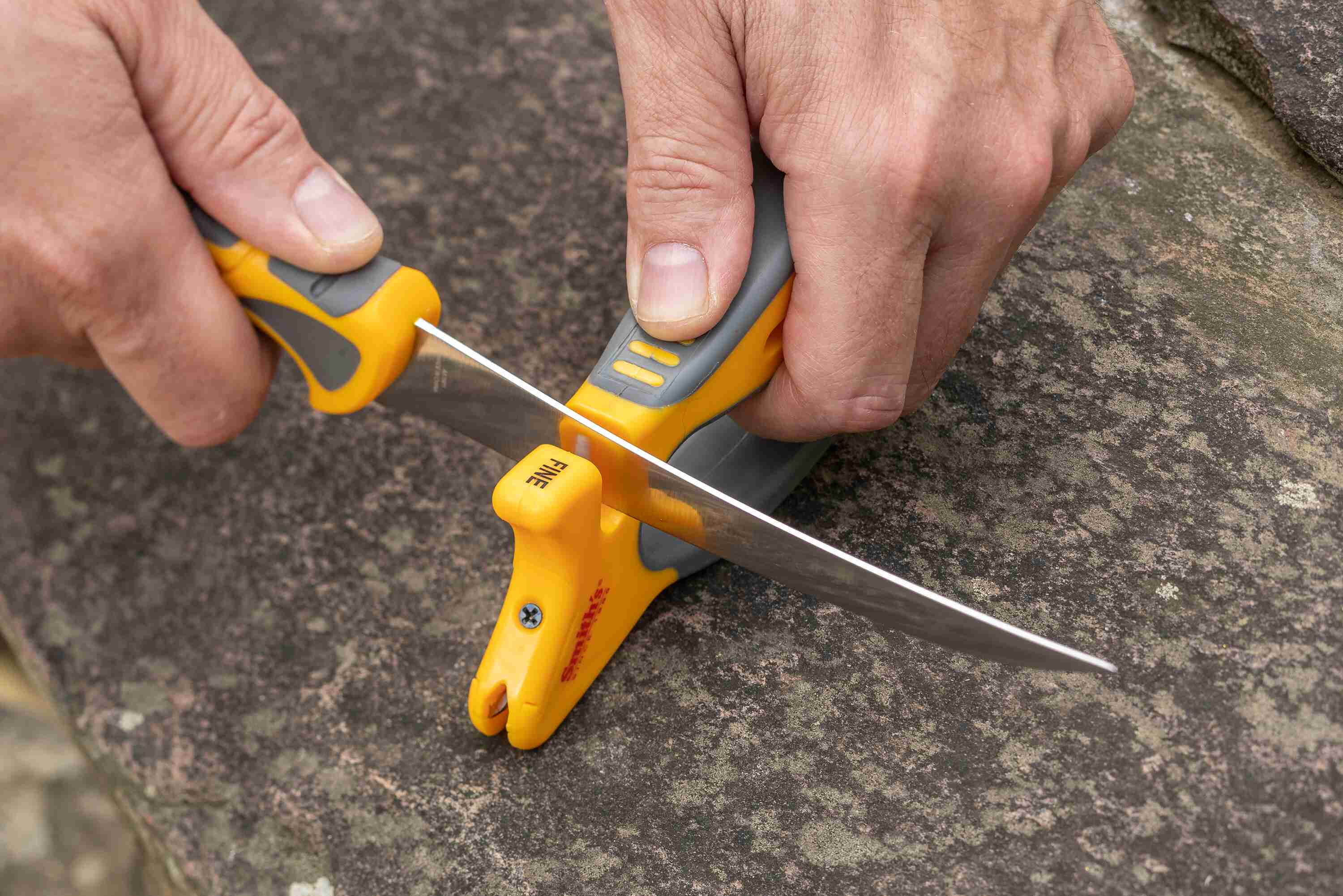
Pull-through sharpeners are popular for their convenience, but they require care when used on fillet knives. Choose a model with a fine ceramic slot or one specifically designed for thin blades.
- Insert the knife at the base, pull smoothly toward you, and avoid using heavy pressure.
- Limit passes to 2, 3 times to prevent removing too much metal.
- Always finish with a honing rod.
Electric sharpeners are the fastest option, but not all are safe for flexible fillet knives. If you choose one, pick a model with adjustable guides and a fine grit setting. Never force the blade or over-sharpen, as thin blades can wear down quickly.
Warning: Cheap, aggressive sharpeners often damage fillet knives. If your sharpener doesn’t specify that it’s safe for thin or flexible blades, avoid using it.
Honing Vs. Sharpening: What’s The Difference?
Honing is about realigning the edge, while sharpening removes metal to create a new edge. Honing should be done frequently, ideally before or after each use. Sharpening is less frequent but necessary when the knife no longer cuts smoothly.
| Process | What It Does | How Often | Tools Used |
|---|---|---|---|
| Honing | Realigns edge | Every use | Ceramic/steel rod |
| Sharpening | Removes metal, restores edge | Monthly or as needed | Whetstone, sharpener |
Many beginners think honing will make a dull knife sharp again. In reality, it only helps if the edge is still in good shape. Once you feel the knife tug or slip during cutting, it’s time to sharpen.
Common Mistakes To Avoid
Sharpening a fillet knife seems simple, but small errors can ruin the blade or make sharpening harder next time.
- Using the wrong angle: Too high, and you get a blunt edge. Too low, and the edge chips easily.
- Pressing too hard: Gentle pressure is enough. Heavy hands can bend or roll the thin blade.
- Neglecting to finish with a finer grit: Skipping fine polishing leaves a rough edge that dulls quickly.
- Forgetting to clean the knife after sharpening: Metal filings and stone debris can transfer to food or cause rust.
- Relying only on pull-through sharpeners: These are best for touch-ups, not full sharpening.
Pro Tip: Mark the edge of the blade with a permanent marker before sharpening. After a few strokes, check the blade. If the marker is evenly removed, your angle and coverage are correct.
Advanced Techniques: Strop For A Razor Edge
If you want your fillet knife to perform like a professional’s, try stropping. Stropping uses a piece of leather (sometimes with polishing compound) to refine and polish the edge even further.
- Lay the knife flat on the leather and pull away from the edge (not toward).
- Use light pressure and repeat 10, 20 times on each side.
- Stropping removes micro-burrs and produces a mirror-finish edge.
This step is optional but can make a noticeable difference, especially for ultra-fine filleting or sushi preparation.
Credit: smithsproducts.com
Caring For Your Fillet Knife After Sharpening
A sharp knife stays sharp only if you care for it properly. Here’s how to extend the life of your newly sharpened fillet knife:
- Hand wash and dry the knife immediately after use; never put it in the dishwasher.
- Store the knife in a protective sheath or on a magnetic strip, not loose in a drawer.
- Use a wooden or plastic cutting board instead of glass or marble, which dull blades quickly.
- Oil the blade lightly with food-safe mineral oil if storing for long periods, especially in humid environments.
Example: After sharpening my fillet knife for a big fish fry, I noticed that keeping the knife dry and storing it in a leather roll made a huge difference, the edge stayed razor-sharp for weeks.
When To Replace Your Fillet Knife
Even with perfect sharpening, all knives wear out eventually. Signs you may need a new fillet knife:
- The blade has become too thin or flexible.
- Cracks or chips appear that you can’t sharpen out.
- The handle is loose or damaged, affecting safety.
A high-quality fillet knife can last years, but regular use and sharpening slowly wear it down. When replacement time comes, invest in a quality brand and maintain it from day one.

Credit: smithsproducts.com
Sharpening Fillet Knives On The Go
If you fish or cook outdoors, you’ll need to keep your knife sharp away from the kitchen. Compact sharpeners, like pocket stones or small ceramic rods, are perfect for travel.
- Choose a double-sided pocket stone (medium and fine grit).
- Clean the knife and stone with water from your bottle.
- Use the same sharpening technique as at home, but take extra care to keep the angle steady.
Outdoor sharpening requires a bit more patience but makes a big difference when prepping fresh-caught fish.
Comparing Fillet Knife Sharpeners
To help you choose, here’s a quick comparison of common fillet knife sharpeners:
| Sharpener Type | Ease of Use | Price Range | Best For |
|---|---|---|---|
| Whetstone | Intermediate/Advanced | $15, $50 | Precise, professional results |
| Pull-through | Beginner | $10, $30 | Quick touch-ups |
| Honing Rod | All levels | $10, $40 | Daily maintenance |
| Electric Sharpener | Beginner/Intermediate | $30, $150 | Multiple knives, speed |
The right sharpener depends on your budget, skill level, and how often you use your fillet knife.

Credit: www.aftco.com
Safety Tips For Sharpening Fillet Knives
Sharpening is safe if you follow a few basic rules:
- Always sharpen away from your body.
- Keep your fingers clear of the blade and stone.
- Use a stable work surface, never hold the stone in your hand.
- Wipe the blade clean before testing sharpness.
Remember, a sharp knife is safer than a dull one. Dull blades slip and require more force, which leads to accidents.
How Often Should You Sharpen Your Fillet Knife?
Frequency depends on use, but as a guideline:
- Home cooks: Sharpen every 1, 2 months with regular honing.
- Anglers or frequent users: Sharpen every 2, 4 weeks.
- Always hone before or after each use to keep the edge aligned.
If your knife struggles with a sheet of paper or tomato skin, it’s time to sharpen.
Environmental Impact Of Sharpening
Sharpening your own knives reduces waste and extends the tool’s lifespan. However, always dispose of metal filings and used stones properly. Choose water stones when possible, as they have less environmental impact compared to oil stones.
If you’re considering a new sharpener, look for durable models that won’t end up in landfill after a few uses.
Frequently Asked Questions
How Can I Tell If My Fillet Knife Is Sharp Enough?
Besides slicing paper or tomatoes, a sharp fillet knife should make no sound when slicing through fish skin or meat, just a clean, smooth cut. If you hear tearing or feel resistance, the knife needs attention.
Can I Sharpen A Fillet Knife With Sandpaper?
Yes, in a pinch. Place fine-grit sandpaper (1000, 2000 grit) on a flat, hard surface. Use the same angle as with a whetstone. This method is less precise, but it works for quick outdoor sharpening when no stones are available.