Keeping your kitchen safe and your food tasting fresh starts with clean tools, including your knife block. That wooden or plastic block sitting on your counter might look harmless, but it can quietly collect crumbs, bacteria, and even mold inside the slots. If you’ve never cleaned your knife block, you’re not alone. Many home cooks wash their knives often but forget about the block where those blades rest. Over time, this can lead to unpleasant smells or even unsafe conditions. The good news: cleaning a knife block isn’t difficult, but there are right and wrong ways to do it. This guide will show you practical steps, tips, and common mistakes to avoid so you can keep your knife block as clean as your knives.
Why Cleaning Your Knife Block Matters
A knife block protects your blades and keeps your kitchen organized, but it’s also a perfect hiding place for crumbs, dust, and bacteria. Studies have shown that damp, dark spaces, like knife slots, can grow harmful bacteria and mold if not cleaned regularly. When moisture or food particles get inside, they often stay hidden. This can lead to bad smells, stains, and even health risks.
In my experience, a clean knife block keeps knives sharper for longer and gives peace of mind, especially if you prepare food for children or guests. It’s not just about hygiene; it’s about maintaining your tools and your kitchen’s reputation.
Types Of Knife Blocks And Their Cleaning Needs
Not all knife blocks are the same. The material and design affect how you should clean them. Here’s a quick comparison:
| Type | Material | Cleaning Difficulty | Special Concerns |
|---|---|---|---|
| Traditional Block | Wood | Moderate | Absorbs moisture, prone to mold |
| Plastic Block | Plastic | Easy | Less porous, but can stain |
| Bamboo Block | Bamboo | Moderate | Requires gentle cleaning |
| Magnetic Strip | Metal/Wood | Easy | Exposed, less dust buildup |
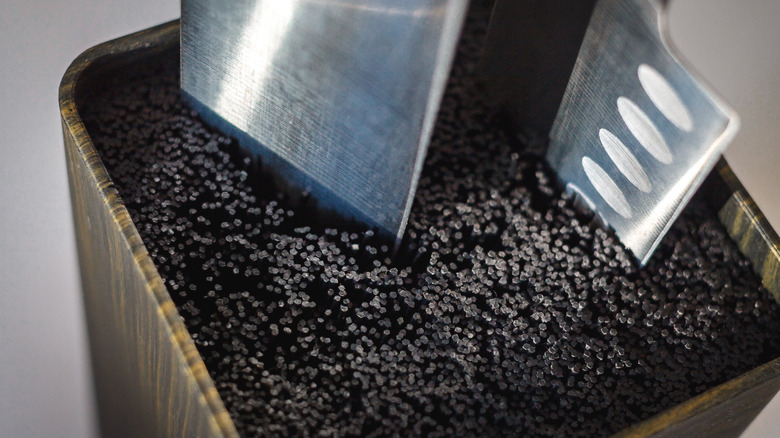
| Universal Block | Plastic with rods | Moderate | Can trap crumbs in rods |
Wooden knife blocks are the most common, but they can be tricky because wood absorbs moisture and can warp or grow mold if soaked. Plastic blocks are easier to wash, but they can show stains. Universal blocks with plastic rods can be taken apart, but crumbs love to hide between the rods.
How Often Should You Clean Your Knife Block?
A good rule is to clean your knife block every 1, 3 months. If you use your knives daily, or if you notice crumbs, stains, or odors, clean more often. For homes in humid climates, monthly cleaning helps prevent mold growth.
Pro Tip: Always clean your block after a spill or if a knife is put away wet. Even one wet knife can start mold growth inside the slots.
What You’ll Need
Cleaning a knife block doesn’t require fancy tools, but a few basics help you do a thorough job:
- Mild dish soap
- Warm water
- Long, thin brush (like a baby bottle brush or pipe cleaner)
- Soft sponge or cloth
- White vinegar or hydrogen peroxide
- Cotton swabs or toothpicks
- Clean, dry towel
- Compressed air can (optional, for dust)
- Small vacuum cleaner (optional, for crumbs)
If your knife block is made from bamboo or natural wood, avoid strong chemicals or soaking for long periods.

Credit: www.youtube.com
Step-by-step: Cleaning A Standard Knife Block
Most home cooks have a wooden or plastic slot-style block. Here’s how to clean it safely.
1. Remove All Knives And Loose Debris
Take out every knife and utensil. Shake the block upside down over a trash can or sink to let crumbs fall out. Use a can of compressed air or a small vacuum to blow or suck out stubborn debris.
2. Wash The Exterior
Mix a few drops of mild dish soap with warm water. Dampen a sponge and gently wipe the outside surfaces. Don’t soak the block, especially if it’s wood, too much water can cause swelling or cracks.
3. Clean Inside The Slots
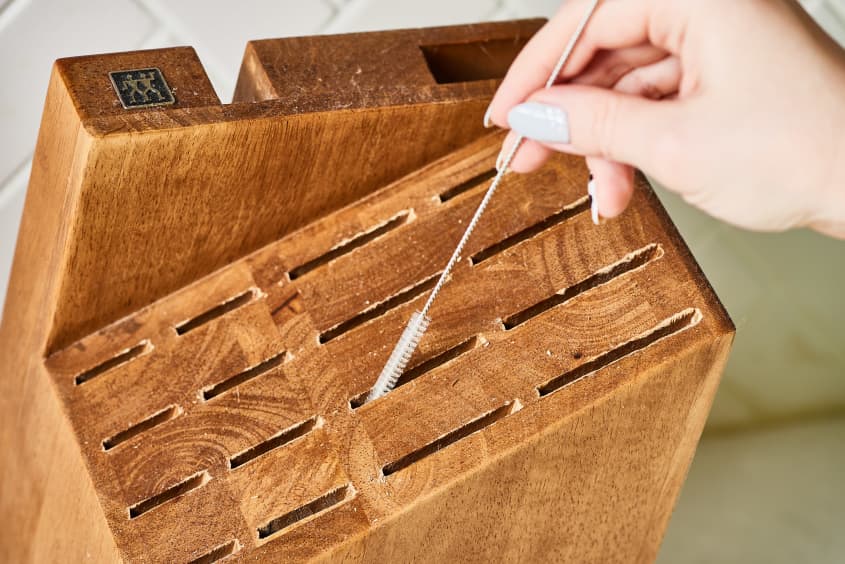
Dip a thin brush or pipe cleaner in soapy water. Insert it into each slot, twisting gently to scrub away hidden crumbs or stains. For sticky spots, a cotton swab or toothpick can help.
Pro Tip: If you don’t have a brush, wrap a damp cloth around a chopstick to reach inside the slots.
4. Disinfect
After cleaning, sanitize the block. For wood, mix equal parts white vinegar and water. For plastic, use a solution of one part hydrogen peroxide to three parts water. Dip a cloth or brush in the solution and wipe inside and outside each slot. Let the solution sit for a few minutes to kill bacteria.
5. Rinse And Dry
Wipe away any soap or vinegar with a damp cloth. Never rinse a wooden block under running water. Instead, wipe it thoroughly, then turn the block upside down on a dry towel. Let it air dry completely, this may take several hours.
Warning: Putting knives back before the block is fully dry can trap moisture, leading to mold.
6. Reassemble And Store Properly
Once the block is dry, return the knives. Store the block in a dry, well-ventilated spot, away from direct sunlight or heat sources.
Cleaning Universal Knife Blocks (with Plastic Rods)
Universal blocks contain a bundle of thin plastic rods instead of fixed slots. They’re convenient, but crumbs and dust can collect between the rods.
- Remove the rods from the block casing.
- Shake out crumbs or use a vacuum.
- Wash rods in warm, soapy water. Rinse thoroughly.
- Let rods air dry completely before putting them back.
- Wipe the casing with a damp cloth and dry.
Pro Tip: Don’t put rods back wet; trapped moisture can create a musty smell.
Dealing With Mold And Odors
If you notice black spots, fuzzy patches, or a musty smell, your knife block may have mold. Here’s what to do:
- Mix equal parts white vinegar and water (or use undiluted vinegar for stubborn spots).
- Scrub inside the slots with a brush dipped in the solution.
- Let the block sit in a well-ventilated area for several hours.
- If mold returns or spreads, consider replacing the block. Mold can penetrate deep into wood and may not be fully removed.
For odors, sprinkle baking soda inside the slots, let it sit overnight, then shake or vacuum out before wiping clean.
Mistakes To Avoid When Cleaning Knife Blocks
Many people make simple mistakes that can damage their knife block or make cleaning less effective. Here are some to watch for:
- Soaking the block: Prolonged moisture can warp wood and breed mold.
- Using harsh chemicals: Bleach or strong cleaners can damage finishes and leave residue.
- Not drying fully: Even a little moisture trapped inside can cause mold.
- Forgetting the bottom: The base collects crumbs and should be wiped clean.
- Putting knives back too soon: Wait until the block is completely dry.
Example: I once put a wooden block away damp after a quick clean. Within days, dark spots appeared inside the slots. Since then, I always let my block air dry for at least 12 hours.
How To Maintain A Knife Block Between Deep Cleanings
Regular maintenance keeps cleaning easier and your block safer. Try these habits:
- Wipe the block’s exterior weekly with a dry or slightly damp cloth.
- Shake out crumbs every time you sharpen knives.
- Always dry knives fully before returning them.
- Store the block in a dry area, away from sinks or stoves.
A little prevention goes a long way. These small steps can extend the time between deep cleans.
When To Replace Your Knife Block
Even with good care, knife blocks don’t last forever. Replace your block if:
- You see deep cracks or warping in wood
- Mold returns after cleaning
- The block smells musty and odors won’t go away
- Slots are too loose or damaged
New blocks can improve safety and hygiene. If you buy a new one, choose a model that’s easy to clean and dry.
Credit: www.foodrepublic.com
Comparing Knife Storage Options
Not sure if a block is best for you? Here’s how common knife storage methods compare:
| Storage Method | Hygiene | Maintenance | Blade Protection | Space Needed |
|---|---|---|---|---|
| Knife Block | Moderate | Regular cleaning needed | Good | Countertop |
| Magnetic Strip | High (easy to wipe) | Minimal | Excellent | Wall space |
| Drawer Tray | Moderate | Easy to clean | Good | Drawer |
| Universal Block | Moderate | Rod cleaning required | Good | Countertop |
Knife blocks are popular for their convenience, but magnetic strips and drawer trays can be easier to keep clean. Consider your kitchen space and cleaning habits when choosing.
Knife Block Cleaning: Expert Tips
Here are a few pointers from chefs and kitchen pros to make cleaning easier and safer:
- Use compressed air to blow out dust before wet cleaning.
- Label cleaning dates on the underside of the block with a small sticker.
- For deep slots, attach a cloth to a thin skewer to reach the bottom.
- If you have allergies, wear a mask when cleaning, dust and mold spores can irritate.
If you’re buying a new block, choose one with removable parts for easier washing. Some modern designs have slots you can take apart and clean in the dishwasher (check the manufacturer’s instructions).
Environmental Factors That Affect Knife Block Cleanliness
Your kitchen’s environment can change how often you need to clean:
- High humidity: Increases mold risk. Clean monthly and store blocks away from sinks.
- Pet hair and dust: Homes with pets may need more frequent cleaning.
- Open windows: Pollen and outdoor dust can settle in open slots.
If your kitchen is near a window or you live in a humid area, check your block for crumbs and moisture more often.
Safety Precautions When Cleaning Knife Blocks
Cleaning a knife block seems simple, but it’s important to stay safe:
- Always remove all knives before cleaning to avoid accidental cuts.
- Wear gloves if you’re sensitive to cleaning solutions or mold.
- Use gentle pressure when inserting brushes; too much force can damage the slots.
If you find mold, clean in a well-ventilated area and wash your hands thoroughly after handling the block.
Credit: www.thekitchn.com
Storing And Handling Knives For Maximum Hygiene
A clean block is only part of kitchen safety. Always:
- Wash knives immediately after use, especially after cutting raw meat or fish.
- Dry knives completely before storage.
- Never put wet knives into the block.
- Inspect knives and slots for rust, stains, or residue.
Proper knife care supports a cleaner block and a safer kitchen.
How Professional Kitchens Clean Knife Blocks
In restaurants, cleanliness standards are strict. Some professional kitchens avoid traditional knife blocks altogether, using magnetic strips or sterilizable knife cases. If blocks are used, they’re often sanitized daily and replaced more often than in home kitchens.
If you want to match pro standards at home:
- Clean and disinfect your block at least once a month.
- Use only dry, sanitized knives.
- Replace old or damaged blocks promptly.
For more about kitchen hygiene, see the guidelines from the USDA Food Safety and Inspection Service.
Frequently Asked Questions
How Can I Clean Mold Out Of A Wooden Knife Block Without Damaging It?
You can use a mix of equal parts white vinegar and water. Dip a thin brush in the solution and gently scrub inside each slot. After cleaning, let the block dry in a well-ventilated area for several hours. If mold remains or returns, it’s safer to replace the block, as mold can go deep into wood.
Can I Put My Knife Block In The Dishwasher?
Most knife blocks, especially wooden ones, should not go in the dishwasher. Heat and water can warp wood, damage glue, or cause cracks. Some modern plastic blocks or removable parts are dishwasher-safe, but always check the manufacturer’s instructions first.
What Should I Do If My Knife Block Smells Bad Even After Cleaning?
Try sprinkling baking soda inside the slots and let it sit overnight. Baking soda absorbs odors. Shake out the powder, then wipe with a damp cloth. If the smell persists, it could be due to deep mold or bacteria, consider getting a new block.
Is There A Way To Make Cleaning Inside Knife Slots Easier?
A long, flexible brush (like a baby bottle brush or pipe cleaner) works well. You can also wrap a damp cloth around a chopstick or skewer for deeper cleaning. For universal blocks, remove and wash the rods separately.
Are There Knife Storage Methods That Don’t Require As Much Cleaning?
Yes, magnetic strips and drawer trays usually need less cleaning, as knives are exposed and dust is easy to wipe away. Universal blocks and traditional slot blocks need more frequent maintenance. Choose a method that fits your kitchen and cleaning routine.
A clean knife block means safer food, longer-lasting knives, and a fresher-smelling kitchen. With a little regular care, your knife block can be a safe and reliable part of your cooking routine for years to come.