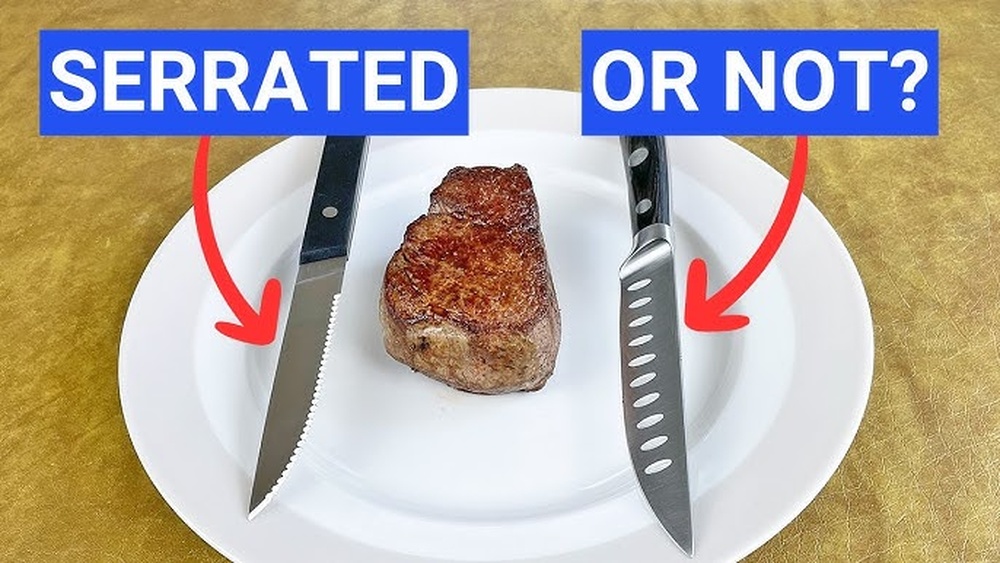
For many, a great steak dinner is more than just food, it’s an experience. But nothing ruins a perfectly cooked steak like struggling to cut it with the wrong knife. The debate around steak knives often comes down to one question: should a steak knife be serrated or straight-edged? This topic stirs up strong opinions among chefs, home cooks, and anyone who cares about their meal. The right steak knife can make eating easier, protect the look of the meat, and even improve safety. Yet, there’s no simple answer, as both serrated and non-serrated knives have their own strengths and drawbacks.
Understanding what makes a steak knife effective can help you choose the best tool for your kitchen and your table. This article will look closely at the real differences between serrated and non-serrated steak knives, their performance, maintenance, and how they impact your eating experience.
You’ll also learn about materials, proper care, and common mistakes people make when choosing a steak knife. By the end, you’ll have all the facts you need to decide which type of steak knife is right for you, or if you should own both.
What Makes A Steak Knife Unique?
A steak knife is not just any knife; it’s designed for one purpose: cutting cooked meat cleanly and easily. Most steak knives are about 4 to 5 inches long, with a pointed tip and a comfortable handle. The blade needs to be sharp enough to slice through meat fibers without tearing or crushing them. Steak knives are also the only sharp knife typically found on the dining table, which means they must balance cutting power with safety and appearance.
Unlike kitchen knives, steak knives are meant to work right where you eat. This means they need to look good and feel comfortable in the hand. Some steak knives feature decorative handles or polished blades, making them part of the dining experience. But the most important feature is the blade, whether it’s serrated or straight-edged.
Serrated Vs. Non-serrated: The Core Differences
The main debate is simple: Is a steak knife better with a serrated blade or a smooth, straight edge? Each type has fans, and each offers a different cutting experience.
Serrated Steak Knives
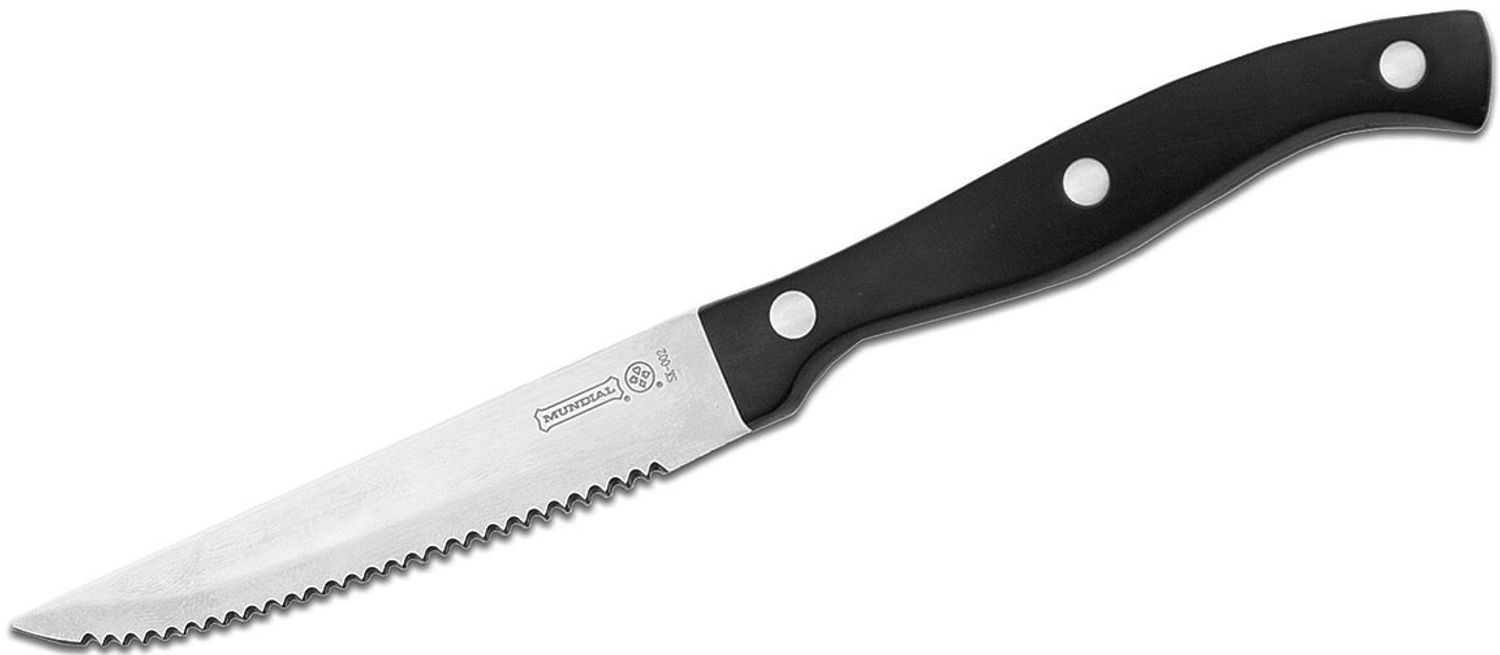
Serrated steak knives have small, saw-like teeth along the blade. These teeth help the knife grip the meat’s surface and saw through fibers, even if the blade isn’t extremely sharp. Serrated knives are especially useful for tougher cuts of meat or steaks with a crusty sear.
Advantages:
- Stay sharp longer: Serrated blades don’t need sharpening as often because only the tips of the teeth touch the plate.
- Cut through crust: The teeth bite through crispy or charred surfaces better than a straight edge.
- Handle tough cuts: Great for well-done steaks, roasts, or meats with a firm outer layer.
Disadvantages:
- Tearing: Serrated knives can tear the meat instead of slicing cleanly, which can affect texture.
- Difficult to sharpen: Most people struggle to sharpen serrated knives at home, so they often get dull over time.
- Messy presentation: The sawing action can leave the steak looking ragged, which isn’t ideal for presentation.
Non-serrated (straight-edged) Steak Knives
Straight-edged steak knives have a smooth, razor-sharp blade. They cut by slicing cleanly through the meat fibers, much like a chef’s knife.
Advantages:
- Clean cuts: Slices through meat without tearing, keeping juices inside and presentation neat.
- Easy to sharpen: Can be honed and sharpened with standard tools, even at home.
- Better control: Offers more precision when cutting, ideal for tender or high-quality steaks.
Disadvantages:
- Dull faster: The edge meets the plate directly, so it can lose sharpness quickly if not cared for.
- Struggles with crust: May need more pressure to cut through heavily seared or crusty exteriors.
- More maintenance: Needs regular honing and sharpening to stay effective.
How Blade Type Affects Eating Experience
Your knife’s blade type changes how the steak feels and tastes. When you use a serrated knife, you often notice a sawing motion. This can make the steak look torn, and the meat may lose juices as you cut. For some, this isn’t a problem, especially if the steak is cooked well-done or has a thick crust.
A straight-edged knife, on the other hand, glides through the meat. This makes each bite look more attractive and keeps the juices inside. If you’re eating a premium cut like filet mignon or ribeye, a clean cut can make a big difference in flavor and texture.
Example: If you enjoy rare or medium-rare steaks, a straight-edged knife will help keep the juices inside each slice. But if you often eat tougher or heavily seared steaks, a serrated knife might work better.
Comparing Serrated And Non-serrated Steak Knives
It helps to see the differences side by side. The table below gives a quick look at how each type performs in key areas.
| Feature | Serrated Steak Knife | Straight-Edged Steak Knife |
|---|---|---|
| Edge Retention | Stays sharp longer | Dulls faster, needs more upkeep |
| Cut Quality | Can tear meat | Clean, smooth cuts |
| Sharpening | Hard to sharpen at home | Easy to sharpen with standard tools |
| Best For | Tough or crusty meats | Tender, high-quality steaks |
| Maintenance | Low (but hard to restore sharpness) | Regular sharpening needed |
| Presentation | Can look ragged | Neat, attractive slices |
Credit: www.knifecenter.com
Materials And Construction: Does It Matter?
The quality of the blade material and the way the knife is made also influence performance, no matter the edge type.
Blade Materials
Most steak knives are made from stainless steel because it resists rust and stains. Some high-end knives use high-carbon steel, which can hold a sharper edge but needs more care to prevent rust.
- Stainless steel: Durable, resists corrosion, less maintenance
- High-carbon steel: Sharper edge, more prone to rust, needs oiling
Some brands use ceramic blades, which stay sharp for a long time but can chip or break if dropped.
Handle Materials
Handles come in many materials: wood, plastic, metal, or composites. Wood looks traditional but can warp if not cared for. Plastic and composites are more durable and easier to clean.
Pro Tip: For steak knives you’ll use often, choose a handle material that feels comfortable and offers a non-slip grip, even if your hands are wet.
Forged Vs. Stamped
Forged steak knives are made from a single piece of steel, heated and shaped. They’re usually heavier, better balanced, and last longer. Stamped knives are cut from a sheet of steel and are usually lighter and less expensive. Both types can be either serrated or straight-edged.
Maintenance: Keeping Your Steak Knives Sharp
No matter what type you choose, proper care is key to a good steak knife. Maintenance affects both performance and safety.
Serrated Knives
Serrated knives rarely need sharpening, but when they do, it’s best left to professionals or specialized tools. The teeth are hard to sharpen by hand, and improper sharpening can ruin the blade.
- Wipe clean after each use.
- Store carefully to avoid bending the teeth.
- If dull, use a professional sharpening service.
Straight-edged Knives
Straight-edged knives need more regular care.
- Hone the blade with a steel rod before each use.
- Sharpen with a whetstone or knife sharpener every few months.
- Wash by hand and dry right away, dishwashers can dull the edge.
- Store in a knife block or with blade guards to protect the edge.
Warning: Cutting on hard surfaces like glass or stone will dull any knife quickly. Always use a wooden or plastic cutting board if you need to cut away from the plate.

Credit: www.youtube.com
How Steak Doneness And Cut Type Influence Knife Choice
Not every steak is the same. The type of meat and how it’s cooked affect which knife works best.
- Rare or tender steaks: Straight-edged knives work best here. They preserve the delicate texture and keep juices in the meat.
- Well-done or tough steaks: Serrated knives are better at handling firmer, drier meat and getting through crusty surfaces.
- Ribeye with a thick fat cap: Serrated knives can cut through fat and seared crust more easily.
- Filet mignon: A straight edge is ideal for this tender cut.
If you often serve a variety of steaks, having both types on hand can cover all situations.
Personal Preferences And Dining Culture
Many people have strong preferences based on habit, family tradition, or even restaurant culture. In the US, for example, most steakhouses use straight-edged knives for high-end cuts, while casual diners may offer serrated knives for durability. In Europe, both types are common, but presentation often matters more.
Some people simply find a straight-edged knife easier to use, especially if they care about presentation. Others prefer serrated knives for their low maintenance and all-purpose use.
In my experience, when I host dinner parties, guests often notice the difference. Those who care about food presentation love the smooth cuts of straight-edged knives, while others don’t mind the serrated ones, especially for everyday meals.
Common Mistakes When Choosing A Steak Knife
Many people pick steak knives based on looks or price alone. Here are some mistakes to avoid:
- Ignoring blade sharpness: A pretty handle won’t help if the blade is dull.
- Choosing only by price: Cheap knives often use lower-quality steel, which dulls quickly.
- Not considering maintenance: If you don’t want to sharpen knives, a serrated blade is less work, but harder to restore if dull.
- Forgetting comfort: A knife that feels awkward or heavy can make eating less enjoyable.
- Skipping the test: Whenever possible, try the knife before buying. Some straight-edged knives aren’t sharp enough out of the box.
When To Choose Serrated Steak Knives
Serrated steak knives are a good choice if:
- You want a low-maintenance knife that stays sharp for years.
- You often eat tougher steaks, grilled meats, or roasts.
- Presentation is less important than ease of cutting.
- You don’t want to sharpen knives regularly.
They’re also practical for outdoor dining, picnics, or situations where knives might get rough use.
When To Choose Straight-edged Steak Knives
Straight-edged steak knives are best if:
- You care about clean, neat slices and presentation.
- You regularly eat high-quality, tender steaks.
- You don’t mind sharpening knives or have the tools to do so.
- You want more control over each cut.
Chefs and steak lovers often prefer straight-edged knives because they showcase the steak’s quality.
Should You Own Both Types?
For many people, owning both serrated and straight-edged steak knives is the best solution. That way, you can match the knife to the steak or to the guests’ preferences. Some hosts even set both types on the table, letting each person choose.
Pro Tip: If you buy a steak knife set, look for brands that offer mixed sets with both blade types. This gives you flexibility for any occasion.
Price Range And Value
Steak knives come in a wide range of prices, from under $20 for a set of four to over $200 for luxury brands. What matters most is the quality of the steel and the edge, not just the brand name or packaging.
Generally, expect to pay more for forged knives, high-carbon steel, or handmade craftsmanship. But many mid-range brands offer excellent value with durable, sharp blades.
Example: A good stainless steel straight-edged knife can last for years with proper care, while a cheap serrated knife might become unusable if one tooth bends or breaks.
How To Test A Steak Knife Before Buying
If you can handle the knife in a store, do these simple tests:
- Check the weight: It should feel balanced and not too heavy.
- Test the grip: Make sure the handle fits your hand comfortably.
- Examine the blade: Look for a polished, smooth finish and a sharp edge.
- Try slicing a tomato: This is a good stand-in for a steak’s texture. A sharp knife should cut cleanly without crushing.
Environmental Considerations
Some steak knives come with disposable plastic handles or are made from mixed materials that are hard to recycle. If sustainability matters to you, look for knives with wooden handles from certified sources or brands that use recycled steel.
Washing steak knives by hand also saves energy and water compared to using a dishwasher. Plus, it keeps the blades sharp longer.
What Do Experts And Chefs Prefer?
Professional chefs often recommend straight-edged knives for fine dining because they give a cleaner cut and better presentation. However, in busy restaurants or for outdoor events, serrated knives are popular because they require less maintenance and are less likely to become unusable if not sharpened often.
Some steakhouse chains even brand their own steak knives, choosing the blade type that matches their food style. For example, a Texas-style steakhouse serving big, well-done steaks might use serrated knives, while a French restaurant serving filet will likely use a straight-edged blade.
Example: The famous steakhouse Peter Luger in New York uses straight-edged knives for their porterhouse steaks, focusing on presentation and meat quality.

Credit: rhinelandcutlery.com
Innovations In Steak Knife Design
Modern steak knives sometimes use new materials or designs to combine the best of both worlds. For example, some knives have micro-serrations, tiny teeth that are less aggressive but still help with cutting. Others use hybrid blades with a straight edge and a short serrated section near the tip.
Some brands use special coatings, such as titanium, to keep the blade sharper for longer or make cleaning easier. While these innovations are interesting, the basic choice, serrated or straight-edged, remains the most important factor for most people.
Summary Table: Should You Choose Serrated Or Non-serrated?
Here’s a quick summary to help you decide which knife is right for you.
| Situation | Best Choice |
|---|---|
| Tender, high-quality steak | S |