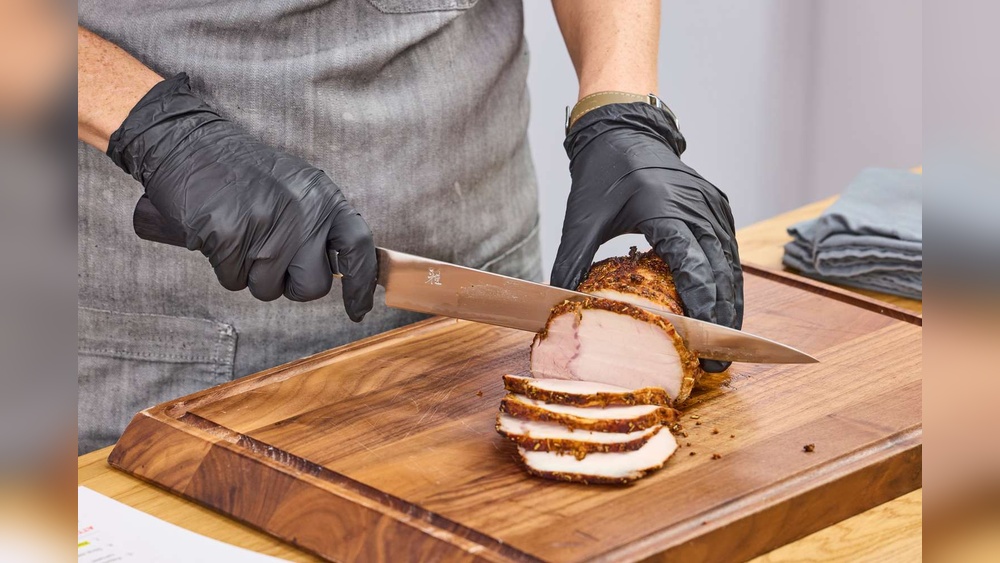
Selecting the right kitchen knife can elevate a home cook’s confidence or transform a professional chef’s workflow. Amidst the vast array of specialized blades, the debate between carving knives and slicing knives stands out as one of the most misunderstood yet essential distinctions. While both knives are designed for creating clean, precise cuts, their subtle differences profoundly impact their performance, the foods they’re best suited for, and the results you can achieve.
Understanding these differences is not just about culinary curiosity, it’s about achieving restaurant-quality presentations at home, avoiding common pitfalls like torn meat or uneven slices, and making the most of your kitchen investments. Whether you’re preparing a Thanksgiving turkey, slicing brisket for a family gathering, or fine-tuning your kitchen toolkit, mastering the nuances between carving and slicing knives can save time, improve results, and elevate the dining experience for everyone at your table.
Key Takeaways
- Carving knives excel at slicing large cooked meats and navigating around bones, featuring stiffer blades and pointed tips.
- Slicing knives are longer, thinner, and often more flexible, ideal for achieving ultra-thin, uniform slices with minimal tearing.
- Choosing between these knives depends on the food type, desired presentation, and handling preferences.
- Proper care and usage techniques dramatically extend blade life and ensure safety.
- Investing in the right blade enhances efficiency and elevates food presentation for both home cooks and professionals.

Credit: chefsvisionknives.com
Carving Knife Vs Slicing Knife: Definitions And Core Differences
Understanding the foundational characteristics of carving knives and slicing knives is critical before analyzing their specific uses or deciding which one belongs in your kitchen.
Carving Knife: Purpose And Typical Features
A carving knife is primarily designed for cutting large, cooked meats such as turkey, roast beef, ham, or chicken. Its blade typically ranges from 8 to 14 inches in length, with a narrow, relatively stiff profile and a pointed tip. This pointed tip allows users to maneuver around bones and joints, making it especially useful for breaking down whole birds or large roasts.
Key features of carving knives:
- Blade length: 8, 14 inches (most common: 9, 12 inches)
- Blade shape: Narrow, rigid, with a sharply pointed tip
- Edge: Straight or slightly curved
- Ideal for: Slicing cooked meats, poultry, and large roasts
Slicing Knife: Purpose And Typical Features
A slicing knife is designed for creating thin, uniform slices of boneless foods such as brisket, smoked salmon, terrines, or even cakes. Slicing knives generally feature a longer, thinner, and more flexible blade than carving knives. The tip is often rounded (sometimes called a bullnose), and some models include a Granton (scalloped) edge to reduce friction and prevent food from sticking.
Key features of slicing knives:
- Blade length: 10, 16 inches (most common: 12, 14 inches)
- Blade shape: Long, thin, with a rounded tip
- Edge: Straight, sometimes with Granton (scalloped) indentations
- Ideal for: Slicing brisket, smoked fish, cured meats, and cakes
Direct Comparison Table
To clarify the main distinctions, here’s a side-by-side comparison:
| Feature | Carving Knife | Slicing Knife |
|---|---|---|
| Blade Length | 8, 14 inches | 10, 16 inches |
| Blade Flexibility | Stiff | More flexible |
| Tip Shape | Pointed | Rounded/Bullnose |
| Primary Use | Roasts, poultry (with bones) | Brisket, fish, cakes (boneless foods) |
| Edge Type | Straight/slightly curved | Straight or scalloped (Granton) |

Credit: foodal.com
Design And Construction: Anatomy Of Each Knife
The construction of a kitchen knife profoundly influences its performance, durability, and ease of use. Examining the anatomy of carving and slicing knives highlights why each excels in specific roles.
Blade Material And Hardness
Both carving and slicing knives are commonly crafted from high-carbon stainless steel, which offers a blend of sharpness retention and corrosion resistance. However, the hardness rating (measured on the Rockwell C scale) can vary:
- Carving knives often feature harder steel for edge retention, supporting the firmer cuts needed for roast meats.
- Slicing knives may use slightly softer steel to allow for the blade flexibility needed for wafer-thin slices.
Blade Shape And Profile
- Carving knives: The blade’s taper and pointed tip allow users to navigate bones and joints efficiently, providing control for both slicing and segmenting.
- Slicing knives: The longer, thinner, and sometimes flexible blade, often with a rounded tip, minimizes drag and enables long, smooth strokes for uniform slices.
Edge Style: Straight, Granton, And Serrated
- Straight edge: Common for both, enabling clean, uninterrupted cuts.
- Granton (scalloped) edge: Frequently found on slicing knives, these shallow dimples reduce sticking and friction, particularly useful when slicing moist or sticky foods.
- Serrated edge: Rare for both, but some hybrid models exist for specific tasks like slicing crusty roasts.
Handle Ergonomics
A comfortable, well-balanced handle enhances control and reduces fatigue. Carving knives sometimes feature a guard for extra safety when applying force, while slicing knives prioritize balance and grip for smooth, controlled motion.
Real-world Example: Slicing A Holiday Roast
When carving a holiday roast, such as prime rib, a carving knife enables precise navigation around bones, ensuring maximum yield and clean portions. By contrast, a slicing knife can create ultra-thin, even slices of boneless brisket, ideal for catering or buffet service.
When To Use Each Knife: Practical Applications
The effectiveness of a carving or slicing knife depends on the food type, desired presentation, and specific task. Using the wrong knife can result in torn meat, ragged slices, or even injury.
Carving Knife: Best Use Cases
- Whole poultry (turkey, chicken, duck): The pointed tip navigates joints and bones.
- Bone-in roasts: Rib roasts, leg of lamb, or ham on the bone benefit from the control and leverage provided by a carving knife.
- Large cooked meats: When presentation matters, such as at the table, the carving knife provides clean, even slices.
Example: During a family Thanksgiving, I found that my carving knife’s pointed tip made it easy to separate turkey wings and legs without tearing the skin, while the stiff blade helped me slice through the breast meat cleanly.
Slicing Knife: Best Use Cases
- Brisket and boneless roasts: The extra-long, flexible blade enables single, uninterrupted strokes for neat, thin slices.
- Smoked salmon and cured meats: The Granton edge prevents delicate slices from sticking, preserving texture and appearance.
- Cakes and terrines: The thin, smooth blade creates even slices without compressing or tearing soft foods.
Example: At a catered event, I used a slicing knife with a Granton edge to portion smoked salmon. The slices were paper-thin and uniform, with none sticking to the blade, a result that would have been difficult with a carving knife.
Quick Reference Table: Foods And Recommended Knife
| Food Item | Carving Knife | Slicing Knife |
|---|---|---|
| Roast Turkey (with bone) | Best | Acceptable |
| Brisket (boneless) | Acceptable | Best |
| Ham (bone-in) | Best | Acceptable |
| Smoked Salmon | Poor | Best |
| Layered Cake | Poor | Best |
| Prime Rib (with bone) | Best | Acceptable |

Credit: texanknives.com
Performance Factors: Cutting Techniques And Results
The art of slicing and carving goes beyond the knife itself; technique and blade design combine to influence the final result.
Cutting Techniques For Carving Knives
- Rocking and segmenting: The pointed tip and rigid blade allow for controlled, rocking cuts to work around bones and joints.
- Portioning: The stiffer blade is ideal for dividing large cuts into even portions at the table.
Pro Tip: When carving poultry, first remove the legs and wings at the joints using the pointed tip, then slice the breast meat against the grain for maximum tenderness.
Cutting Techniques For Slicing Knives
- Long, sweeping strokes: The extra blade length facilitates single, smooth motions for uniform slices.
- Minimal pressure: Flexibility and thinness let gravity do the work, reducing tearing and preserving food structure.
Impact On Food Presentation
- Carving knives produce thicker, controlled slices, often with a decorative finish for serving at the table.
- Slicing knives can create ultra-thin, even slices that are ideal for sandwiches, charcuterie boards, or buffet platters.
Avoiding Common Mistakes
- Using a carving knife on boneless, delicate foods can lead to ragged cuts and uneven slices.
- Using a slicing knife on bone-in meats increases the risk of blade damage and personal injury.
Choosing The Right Knife: Factors To Consider
Selecting between a carving and slicing knife involves more than just food type. Several factors should guide your decision to maximize performance and value.
Blade Length And Thickness
- Shorter blades (8, 10 inches): Easier to handle, suitable for smaller roasts or chickens.
- Longer blades (12, 16 inches): Best for large briskets, hams, or cakes, allowing single-stroke cuts.
Blade Flexibility
- Stiff blades: Provide control for cutting around bones and through dense meats.
- Flexible blades: Excel at following the contours of boneless foods for thin, even slices.
Handle Comfort And Safety
- Ergonomic handles: Reduce hand fatigue during extended use.
- Finger guards: Enhance safety, especially on carving knives where more force is used.
Maintenance And Sharpening
- High-carbon steel: Holds an edge longer but may require more maintenance to prevent rust.
- Stainless steel: Easier to maintain, slightly less sharp over time.
Budget And Brand Reputation
- Premium brands such as Wüsthof, Victorinox, and Shun offer professional-grade options, but high-quality models are available at all price points.
- Consider warranty, customer reviews, and the company’s reputation for after-sales service.
Example: Home Cook’s Decision
A home cook who prepares a roast only for special occasions might prioritize a multi-purpose carving knife. In contrast, a barbecue enthusiast who regularly serves brisket would benefit from investing in a dedicated slicing knife with a Granton edge.
Care, Maintenance, And Longevity
Proper care ensures that both carving and slicing knives remain sharp, safe, and hygienic for years to come.
Cleaning And Storage
- Hand wash only: Dishwashers can dull blades and damage handles.
- Immediate drying: Prevents rust and corrosion, especially on high-carbon steel.
- Knife blocks, magnetic strips, or blade guards: Protect edges and prevent accidents.
Sharpening And Honing
- Regular honing: A honing rod realigns the edge, maintaining sharpness between sharpenings.
- Professional sharpening: At least once or twice per year, depending on use.
- Angle: Carving and slicing knives typically require a 15, 20 degree sharpening angle for optimal performance.
Handling Safety
- Always cut on a stable surface: Use a non-slip cutting board.
- Store blades securely: Keep knives out of reach of children and never loose in a drawer.
- Use the right knife for the task: Prevents accidents and extends blade life.
Pro Tip: Extending Blade Life
Never use carving or slicing knives to cut bone, frozen foods, or hard surfaces. Reserve them for their intended purposes to prevent chipping, dulling, or bending.
Case Studies And Real-world Examples
Examining real-world scenarios highlights the practical advantages of selecting the correct knife for each task.
Case Study 1: Restaurant Brisket Slicing
A Texas barbecue restaurant switched from standard chef’s knives to dedicated slicing knives with a 14-inch Granton edge for its brisket service. The result: more uniform, thinner slices with less tearing, leading to improved presentation and customer satisfaction. According to the head chef, the longer, thinner blade reduced food waste and improved efficiency during peak service hours.
Case Study 2: Carving Holiday Poultry At Home
When preparing a Thanksgiving turkey, a home cook previously used a chef’s knife, resulting in uneven portions and frequent tearing. After switching to a carving knife, the pointed tip and rigid blade made it possible to separate joints cleanly and produce attractive slices for serving, impressing family guests and reducing leftovers.
Case Study 3: Commercial Bakery Cake Slicing
A bakery specializing in multi-layered cakes adopted long slicing knives with rounded tips to cut delicate cakes for display. The thin, flexible blades minimized crumb production and preserved the integrity of each layer, leading to more appealing slices and fewer damaged portions.
Expert Tips And Best Practices
Leveraging professional advice can help you get the most from both carving and slicing knives.
Knife Selection Tips
- Test grip and balance: Hold the knife in your hand before purchasing to ensure comfort and control.
- Match blade length to food size: Longer blades for larger foods; shorter blades for smaller cuts.
- Consider Granton edges for sticky or delicate foods like brisket or cured meats.
Cutting Technique Tips
- Let the blade do the work: Use gentle, smooth strokes rather than forceful sawing.
- Cut against the grain: Especially important for meats, as this maximizes tenderness and presentation.
- Wipe blade between cuts: Prevents buildup and ensures clean slices.
Maintenance And Storage Tips
- Regularly hone and sharpen: A dull blade is more dangerous and less effective.
- Store knives properly: Use a block, magnetic strip, or sheath to protect the edge.
- Avoid dishwasher use: Hand wash and dry immediately to maintain blade quality.
Pro Tip: Safe Carving And Slicing
When using either knife, keep your non-cutting hand’s fingers curled under (the “claw” grip) to minimize the risk of injury.
Pros And Cons: Carving Knives Vs Slicing Knives
A clear understanding of each knife’s strengths and limitations helps guide purchase and usage decisions.
| Aspect | Carving Knife | Slicing Knife |
|---|---|---|
| Strengths | – Excellent for bone-in meats – Precise joint navigation – Sturdy and safe for table-side carving |
– Ultra-thin, uniform slices – Ideal for boneless meats, fish, cakes – Granton edge reduces sticking |
| Limitations | – Less effective for ultra-thin slicing – Can tear delicate foods – Not suitable for cakes, fish, or cured meats |
– Not designed for cutting bones – Can bend on tough meats – May be awkward for small foods |
| Maintenance | Requires regular honing/sharpening | Requires regular honing/sharpening |
| Best For | Roasts, poultry, bone-in meats | Brisket, fish, cakes, delicate slicing |
Frequently Asked Questions
What Is The Main Difference Between A Carving Knife And A Slicing Knife?
The primary difference lies in the blade shape and intended use. Carving knives have a stiff, pointed blade suited for cutting around bones and joints in large, cooked meats. Slicing knives feature longer, thinner, and often more flexible blades with rounded tips, designed for making thin, even slices of boneless foods such as brisket, fish, or cakes.
Can A Slicing Knife Be Used To Carve A Turkey?
While a slicing knife can cut cooked turkey, it is less effective at navigating bones and joints due to its rounded tip and flexible blade. A carving knife is safer and more efficient for separating pieces and portioning a whole bird, though a slicing knife can be used for boneless breast meat.
What Is A Granton Edge And Do I Need It?
A Granton edge refers to the row of shallow indentations (scallops) on either side of a knife blade. These reduce friction and help prevent food from sticking, especially useful when slicing moist or sticky foods like brisket or smoked salmon. While not essential, a Granton edge can improve efficiency and presentation, particularly for frequent slicers.
How Should I Properly Sharpen And Maintain These Knives?
Both carving and slicing knives should be honed regularly using a honing rod to maintain edge alignment. For sharpening, use a whetstone, guided sharpener, or professional service at the manufacturer-recommended angle (usually 15, 20 degrees). Always wash by hand, dry immediately, and store safely to prevent damage and accidents. For more detailed sharpening advice, consult resources such as WikiHow.
Do Professional Chefs Use Both Carving And Slicing Knives?
Yes, professional chefs often keep both knives in their toolkit to handle a range of tasks. A carving knife is indispensable for bone-in roasts and table-side presentations, while slicing knives are essential for producing uniform slices of brisket, fish, or pâté. The choice depends on the menu and food being prepared. For further reading, see Wikipedia’s kitchen knife guide.
Selecting between a carving knife and a slicing knife ultimately comes down to your cooking style, the foods you prepare most frequently, and your presentation goals. By understanding the strengths and limitations of each, you can equip your kitchen for success, whether you’re carving a celebratory roast or slicing delicate smoked salmon for brunch.
Investing in the right knife, maintaining it properly, and using the correct techniques will enhance your results, boost your confidence, and impress every guest at your table.