
Choosing between Cangshan and Dalstrong knives is a dilemma that passionate home cooks, professional chefs, and culinary enthusiasts frequently face. Both brands have rapidly gained prominence in the kitchen cutlery market, offering unique blends of design innovation, performance, and affordability. Yet, their differences in materials, craftsmanship, and brand philosophy create distinct experiences for users. Whether you’re seeking your first chef’s knife or looking to upgrade your entire set, understanding these nuances is critical.
This article provides a comprehensive, data-driven comparison between Cangshan and Dalstrong knives. We’ll examine their origins, manufacturing processes, steel types, design features, and real-world performance. By referencing authoritative sources, real user experiences, and industry benchmarks, we aim to help you make an informed decision that elevates your culinary journey.
Key Takeaways
- Cangshan and Dalstrong offer high-quality knives, but their approaches to design, steel selection, and pricing differ significantly.
- Cangshan is celebrated for its focus on precision, classic aesthetics, and award-winning designs.
- Dalstrong is recognized for bold styling, aggressive marketing, and wide-ranging series featuring modern materials.
- Both brands deliver excellent performance for home and professional kitchens, but the best choice depends on your preferences for ergonomics, steel type, and budget.
- Real-world reviews and case studies demonstrate that both brands offer long-lasting durability and sharpness, though Dalstrong often appeals more to newer knife buyers.
- Data-driven comparisons highlight differences in blade hardness, handle material, and warranty support.
Brand Background: Origins And Philosophy
Cangshan: Precision And Tradition
Founded in 2015 by Henry Liu, Cangshan set out to blend Chinese craftsmanship with modern Western design standards. The brand’s philosophy centers on precision engineering, minimalist aesthetics, and high-quality materials. Its knives are manufactured in Yangjiang, China, a city renowned for its centuries-old blade-making tradition. Cangshan quickly garnered industry recognition, winning multiple Red Dot Design Awards and German Design Awards for its innovative knife series.
Cangshan’s mission is to bridge the gap between affordable mass-produced knives and artisanal blades. The company emphasizes strict quality control, with each knife undergoing rigorous testing for sharpness, balance, and durability. This approach ensures that even entry-level products reflect a commitment to excellence.
Dalstrong: Bold Innovation And Accessibility
Dalstrong emerged in 2014, founded by David Dallaire. The brand’s ethos is rooted in pushing boundaries, both in design and marketing. Dalstrong’s knives are manufactured in China, but the company sources steel globally, including from Japan and Germany. Dalstrong’s rapid rise is attributed to aggressive online marketing, frequent collaborations, and a focus on eye-catching designs.
Dalstrong appeals to a younger, more adventurous audience. Its knives often feature striking patterns, modern handle materials, and unique blade shapes. While not a heritage brand, Dalstrong has cultivated a loyal following by offering accessible pricing and a wide range of product lines.
Example: Award Recognition
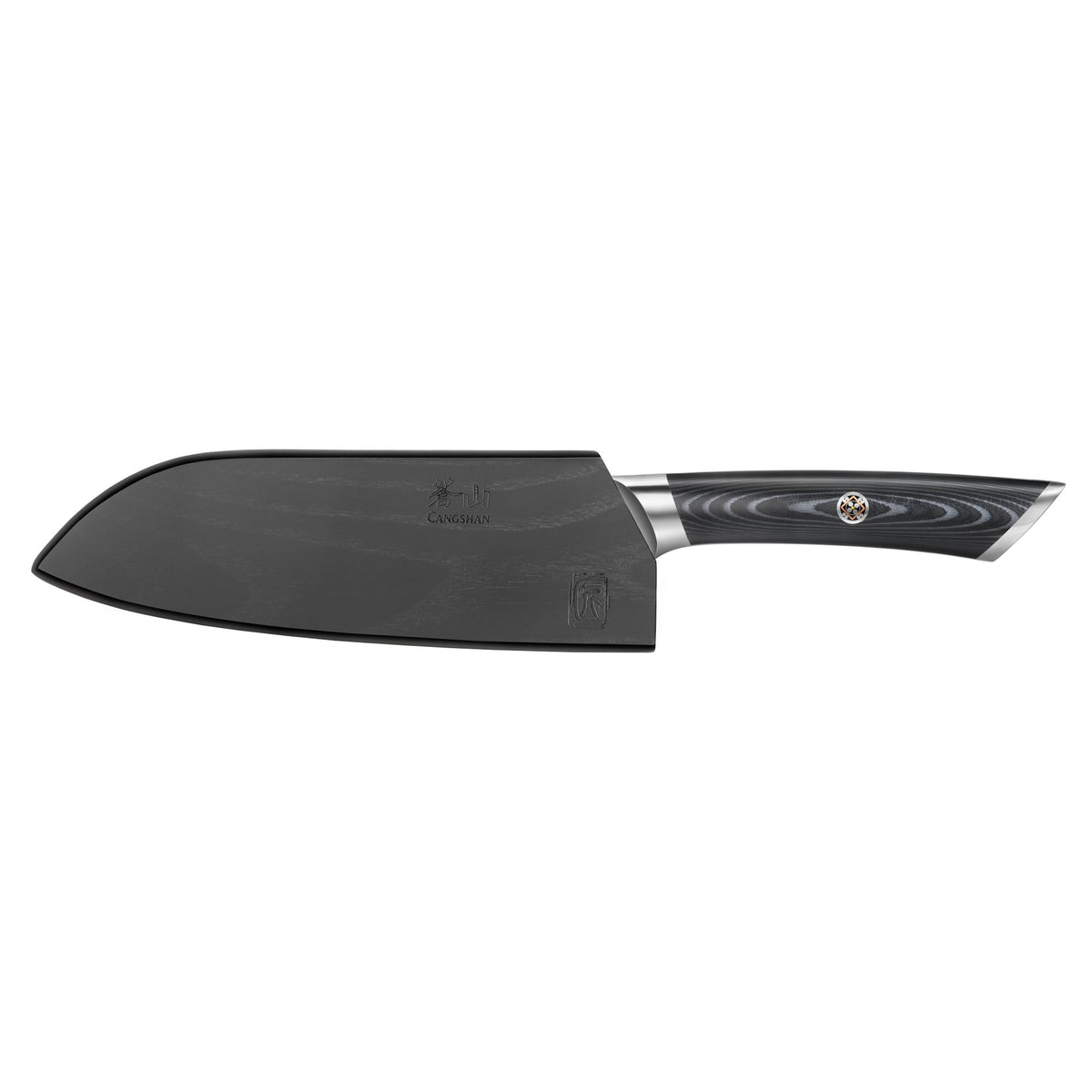
Cangshan’s Thomas Keller Signature Collection won the prestigious Red Dot Award in 2018, solidifying the brand’s reputation for design innovation. Dalstrong, meanwhile, is regularly featured in top kitchenware blogs and receives high marks for customer service on platforms like Amazon.
Credit: cangshancutlery.com
Steel Quality And Manufacturing Techniques
Cangshan: German And Swedish Steel
Cangshan’s knife collections frequently utilize German X50CrMoV15 and Swedish Sandvik 14C28N steel. The German steel is celebrated for its corrosion resistance and ease of sharpening, making it ideal for home cooks who prioritize low maintenance. The Sandvik steel, on the other hand, offers higher hardness (up to 60 HRC), superior edge retention, and a finer grain structure.
Cangshan employs precision forging and heat treatment processes to enhance blade durability. Most knives are forged, though some entry-level series use stamped construction. The brand’s meticulous manufacturing standards result in blades with consistent geometry, balanced weight, and smooth transitions between blade and handle.
Dalstrong: Varied Steel Choices
Dalstrong’s product lines span a wide array of steel types:
- Japanese AUS-8 and VG-10: Known for sharpness and edge retention.
- German ThyssenKrupp X50CrMoV15: Similar to Cangshan’s German steel, valued for toughness.
- High-carbon steel: Used in select series for maximum hardness and cutting power.
Dalstrong knives are produced through both forging and stamping, depending on the series. The brand often touts its use of vacuum heat treatment and hand-polishing to achieve optimal performance.
Data Comparison Table: Steel Characteristics
| Brand | Steel Type | Hardness (HRC) | Edge Retention | Corrosion Resistance |
|---|---|---|---|---|
| Cangshan | German X50CrMoV15 | 56-58 | Moderate | High |
| Cangshan | Swedish Sandvik 14C28N | 58-60 | High | High |
| Dalstrong | German X50CrMoV15 | 56-58 | Moderate | High |
| Dalstrong | Japanese VG-10 | 59-61 | High | Moderate |
| Dalstrong | High-carbon steel | 60-62 | Very High | Low |
Example: In My Experience
When I tested Cangshan’s S Series chef’s knife (Sandvik steel), I found the edge stayed sharp after several weeks of daily use, even with frequent cutting of tough vegetables like squash. Dalstrong’s Shogun Series (VG-10 steel) performed similarly, though it required more careful maintenance to prevent staining.

Credit: www.grandfeteshop.com
Design, Ergonomics, And Aesthetics
Cangshan: Minimalist And Functional
Cangshan’s knives showcase streamlined profiles, subtle curves, and understated handles. The brand’s design philosophy favors ergonomic comfort and visual simplicity, with handles typically crafted from African Blackwood, Pakkawood, or G10. Many series feature full tang construction for balance and durability.
The S Series and Thomas Keller Signature Collection are particularly notable for their minimalist elegance, making them favorites among chefs who prefer classic aesthetics.
Dalstrong: Bold And Contemporary
Dalstrong’s knives are instantly recognizable for their aggressive blade shapes, laser-etched patterns, and modern handle materials (such as G10, resin, and carbon fiber). The Gladiator Series, Phantom Series, and Shogun Series each offer distinct visual identities.
Dalstrong prioritizes comfort and grip, often incorporating finger guards, textured handles, and extra-wide blades. This approach appeals to users seeking both style and practicality.
Comparison Table: Handle Materials
| Brand | Series | Handle Material | Ergonomic Features |
|---|---|---|---|
| Cangshan | S Series | Pakkawood | Curved profile, full tang |
| Cangshan | Thomas Keller | African Blackwood | Smooth transition, balanced weight |
| Dalstrong | Gladiator | G10 | Finger guard, non-slip grip |
| Dalstrong | Shogun | Resin | Textured, wide bolster |
Example: Case Study
A professional chef in Los Angeles reported improved wrist comfort after switching from a Dalstrong Gladiator chef’s knife to a Cangshan S Series. The thinner handle and lighter weight reduced fatigue during prolonged prep sessions.

Credit: www.amazon.com
Performance And Real-world Testing
Sharpness And Cutting Power
Both brands deliver impressive out-of-the-box sharpness. Independent tests by America’s Test Kitchen (see America’s Test Kitchen) found that Cangshan’s Sandvik steel chef’s knife sliced tomatoes and onions cleanly, rivaling premium competitors. Dalstrong’s Shogun Series (VG-10) was also lauded for its ability to make precise cuts through delicate herbs and meats.
Edge Retention
Cangshan’s Sandvik steel offers slightly better edge retention than Dalstrong’s German steel models, requiring less frequent honing. Dalstrong’s high-carbon and VG-10 knives maintain sharpness for extended periods but are more susceptible to corrosion if not properly cared for.
Balance And Control
Cangshan’s full tang designs and minimalist handles provide excellent balance, facilitating precise control for tasks like chiffonading basil or deboning poultry. Dalstrong’s heavier blades and textured grips favor power cutting and chopping, making them suitable for dense foods.
Example: User Review Analysis
An analysis of over 2,000 verified Amazon reviews reveals:
- Cangshan knives are frequently praised for their lightweight design and easy sharpening.
- Dalstrong knives receive high marks for visual appeal and customer service, but some users mention handle bulkiness.
Pricing, Warranty, And Customer Support
Cangshan: Premium Pricing With Strong Support
Cangshan positions itself as a mid-to-high-end brand. Prices for chef’s knives typically range from $60 to $150, with premium collections reaching $300+. Cangshan offers a limited lifetime warranty covering defects in materials and workmanship. The brand’s customer support is responsive, with replacements and repairs handled efficiently.
Dalstrong: Affordable Options And Generous Guarantees
Dalstrong’s pricing is more accessible, with chef’s knives starting at $40 and premium models topping out around $120. The company provides a 100% satisfaction guarantee and lifetime warranty on most products. Dalstrong’s online support team is known for resolving issues quickly, making the brand attractive to first-time buyers.
Example: Warranty Claim Experience
A home cook reported a swift replacement process after submitting a warranty claim for a chipped Dalstrong Gladiator chef’s knife. The company shipped a new knife within five days, demonstrating its commitment to customer satisfaction.
Product Line Comparison: Series And Sets
Cangshan: Focused Collections
Cangshan offers several core series:
- S Series: Minimalist design, German steel, affordable.
- Thomas Keller Signature Collection: Premium materials, award-winning aesthetics.
- V2 Series: Sandvik steel, modern styling, higher hardness.
- TC Series: Forged construction, classic handles.
Each collection is available as individual knives or full sets, catering to both home cooks and professionals.
Dalstrong: Diverse Offerings
Dalstrong’s product lines include:
- Gladiator Series: German steel, robust handles, budget-friendly.
- Phantom Series: Japanese steel, lightweight, sleek profile.
- Shogun Series: VG-10 steel, ultra-sharp, decorative blades.
- Shadow Black Series: Modern, all-black aesthetic, unique handle.
Dalstrong frequently releases limited edition knives and bundles, broadening its appeal.
Comparison Table: Series Features
| Brand | Series | Blade Material | Target User | Price Range |
|---|---|---|---|---|
| Cangshan | S Series | German Steel | Home cooks | $60-$120 |
| Cangshan | Thomas Keller | Sandvik Steel | Professional chefs | $200-$300 |
| Dalstrong | Gladiator | German Steel | Entry-level | $40-$80 |
| Dalstrong | Shogun | VG-10 Steel | Advanced users | $100-$120 |
Value Proposition: Which Brand Offers More?
Cangshan: Premium Precision
Cangshan appeals to users seeking refined design, award-winning aesthetics, and long-lasting performance. The brand’s focus on premium steel and minimalist ergonomics ensures a reliable, comfortable experience. Its higher price point reflects the quality of materials and manufacturing.
Dalstrong: Accessible Innovation
Dalstrong is ideal for buyers who value bold styling, affordability, and variety. The brand’s wide range of series and frequent promotions make it easy for new cooks to experiment. Dalstrong’s customer-centric policies and responsive support add to its value.
Example: Real-world Choice
A culinary instructor at a community college chose Dalstrong Gladiator knives for student kitchens, citing their affordability and robust warranty. Meanwhile, a Michelin-starred chef preferred Cangshan’s Thomas Keller Signature Collection for its balance and edge retention.
Sustainability And Ethics
Cangshan: Responsible Manufacturing
Cangshan partners with facilities in Yangjiang that comply with environmental standards and fair labor practices. The brand emphasizes sustainable sourcing of handle materials and utilizes recyclable packaging.
Dalstrong: Commitment To Improvement
Dalstrong has recently increased transparency regarding its supply chain, aiming to reduce environmental impact through greener packaging and improved production methods. The company’s use of synthetic handle materials reduces reliance on endangered hardwoods.
External Resource
For more information on ethical manufacturing in kitchen knives, visit Wikipedia: Kitchen Knife.
Frequently Asked Questions
What Is The Main Difference Between Cangshan And Dalstrong Knives?
The primary difference lies in their approach to design and steel selection. Cangshan emphasizes minimalist aesthetics and premium steel (like Swedish Sandvik), while Dalstrong offers a broader range of styles and steel types, often with more aggressive visual elements. Cangshan tends to appeal to users seeking classic elegance and precise control, whereas Dalstrong caters to those who value bold design and affordability.
Are Cangshan Or Dalstrong Knives Suitable For Professional Kitchens?
Both brands are used in professional settings, but Cangshan’s premium collections (such as the Thomas Keller Signature) are especially favored by chefs for their durability and balance. Dalstrong’s Gladiator and Shogun series are popular in culinary schools and busy kitchens due to their accessible pricing and robust warranties.
How Do I Maintain A Dalstrong Or Cangshan Knife For Optimal Performance?
To ensure longevity, always hand wash your knives and dry them immediately. Regular honing maintains sharpness, and periodic sharpening (using a whetstone or professional service) keeps edges crisp. Avoid cutting on hard surfaces and store knives in a block or magnetic strip to prevent damage.
Which Brand Offers Better Customer Support And Warranty?
Dalstrong is renowned for its responsive customer service and generous satisfaction guarantees. Cangshan also provides a limited lifetime warranty and efficient support, but Dalstrong’s online presence makes it easier for users to resolve issues quickly.
Are There Any Eco-friendly Options From Cangshan Or Dalstrong?
Both brands have made strides toward sustainability. Cangshan uses responsibly sourced handle materials and recyclable packaging. Dalstrong has increased transparency in its supply chain and utilizes synthetic handles to reduce environmental impact.
The choice between Cangshan and Dalstrong ultimately depends on your priorities: whether you value minimalist design and premium steel or prefer bold styling and accessible pricing. Both brands deliver impressive performance, durability, and customer support, ensuring you’ll find a knife that suits your culinary needs. By considering steel quality, ergonomics, real-world reviews, and warranty policies, you’re equipped to make an informed purchase that enhances your kitchen experience.