Butter Knife vs Table Knife: A Complete Guide to Their Differences, Uses, and Best Practices
The humble knife is a fundamental piece of cutlery, but not all knives are created equal. Among the vast array of dining utensils, the butter knife and the table knife often appear deceptively similar, leaving many diners, hosts, and even restaurant professionals wondering about their precise differences and correct uses. Understanding these distinctions is essential for anyone who values etiquette, efficiency, and the enjoyment of a well-set table.
Whether you’re preparing for a formal dinner, choosing flatware for your restaurant, or simply seeking clarity for daily meals, knowing when and how to use each knife can elevate both the dining experience and your mastery of table manners. This comprehensive guide explores every facet of the butter knife vs table knife debate, equipping you with authoritative knowledge, real-world examples, and actionable tips to make confident, informed choices.
Key Takeaways
- The butter knife is specifically designed for spreading soft foods, while the table knife is intended for cutting and general eating tasks.
- Differences span design, blade sharpness, etiquette, and materials, affecting both functionality and presentation.
- Selecting the right knife enhances dining etiquette and guest experience in both casual and formal settings.
- Maintenance and proper usage can extend the life of your cutlery and ensure food safety.
- Industry standards and international variations influence knife terminology and use in different cultures.
- Real-world scenarios highlight the practical consequences of choosing the wrong knife.

Credit: www.ikonet.com
Historical Origins And Evolution
Understanding the evolution of the butter knife and table knife offers insight into their current forms and etiquette.
The Table Knife’s Journey
The table knife traces its origins to the 17th century, when King Louis XIV of France ordered the tips of all knives rounded to reduce violence at the table. This decree not only shaped the literal blade but also set the standard for modern table manners. Table knives became the primary tool for cutting and eating during meals, designed with a semi-sharp edge and a rounded or slightly pointed tip. Over centuries, their design standardized to balance safety and functionality, making them ubiquitous in Western dining.
Emergence Of The Butter Knife
The butter knife appeared later, in the mid-19th century, as butter became more common on European tables. As social dining evolved, so did the need for specialized utensils. The butter knife was designed with a blunt edge and rounded tip, optimized for spreading rather than cutting. Its emergence reflected changes in eating habits and the rising importance of table etiquette, particularly in Victorian England.
Cultural Influences
Different cultures interpret these knives uniquely. For instance, in North America, the butter knife is a distinct utensil, while in some European countries, spreading butter with a table knife is customary. The evolution of cutlery thus reflects not just function but also regional dining customs and etiquette.
Credit: www.visualdictionaryonline.com
Design And Functional Differences
Despite their similar appearances, the butter knife and table knife are engineered for distinct tasks.
Blade Shape And Sharpness
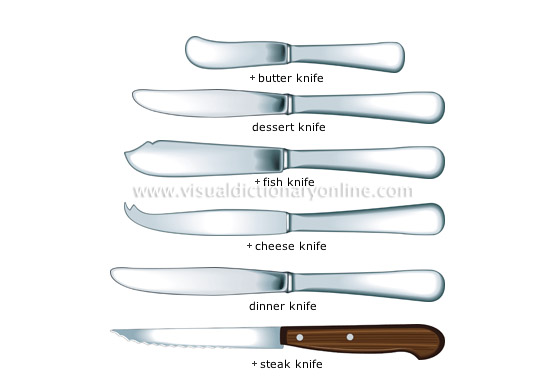
- Butter Knife: Features a blunt edge and a rounded tip. The blade is typically flat, sometimes with a slight upward curve, making it ideal for spreading soft foods like butter, cream cheese, or pâté.
- Table Knife: Has a semi-sharp edge with either a rounded or pointed tip. The blade is slightly thicker and often serrated to cut through cooked foods such as meat, vegetables, and bread.
| Feature | Butter Knife | Table Knife |
|---|---|---|
| Blade Edge | Blunt, flat | Semi-sharp, sometimes serrated |
| Tip Shape | Rounded | Rounded or pointed |
| Primary Use | Spreading | Cutting, eating |
| Average Length | 5-7 inches | 8-9 inches |
Handle And Balance
- Butter Knife: Shorter handle, lightweight, designed for one-handed spreading motion.
- Table Knife: Longer handle, balanced for a secure grip when cutting through food.
Materials And Aesthetics
Both knives are commonly made from stainless steel, but butter knives may also feature silver plating or decorative handles for formal settings. Table knives tend to be more utilitarian, though high-end sets offer ornate options.
Example: Real-world Misuse
A caterer at a high-profile wedding once provided only table knives for the bread course. Guests struggled to spread cold butter neatly, leading to torn bread and messy plates, a clear illustration of the importance of the right tool for the job.
Credit: www.cozymeal.com
Proper Uses And Etiquette
Using the correct knife is not just about function, it reflects proper dining etiquette and respect for guests.
When To Use A Butter Knife
- Spreading butter, jam, or spreads on bread or crackers
- Serving soft cheeses or pâté
- Distributing condiments during a meal
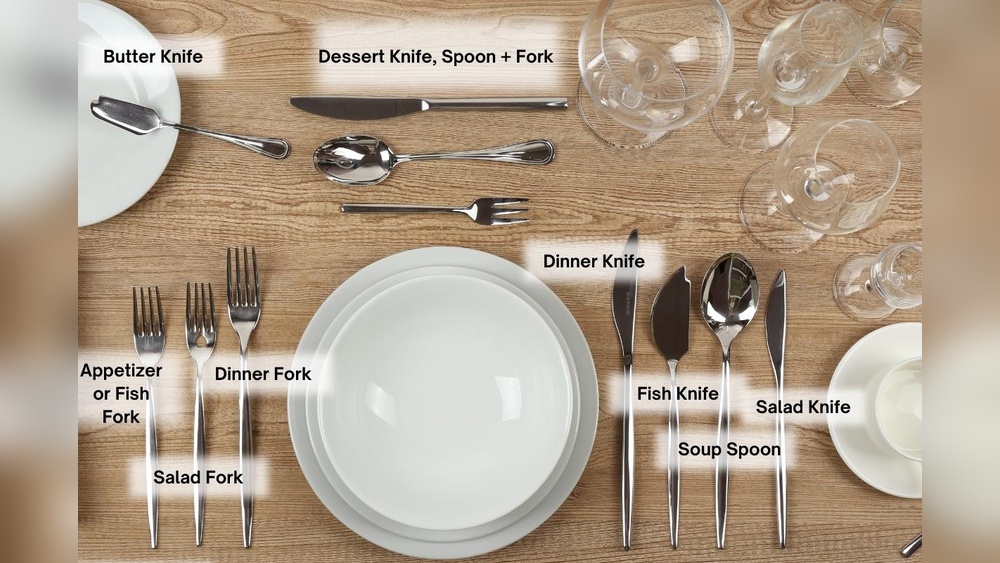
At a formal table, the butter knife is typically placed horizontally across the bread plate, above the forks on the left side.
When To Use A Table Knife
- Cutting and eating main course foods (meat, vegetables, etc.)
- Slicing soft fruits or cheeses during informal meals
- Spreading butter if a dedicated butter knife is not provided (less formal settings)
Table knives are positioned on the right side of the plate, aligning with traditional Western table settings.
Formal Vs. Casual Settings
- Formal Dining: Both knives are present, each with a specific role. Not using the butter knife for spreads is considered a breach of etiquette.
- Casual Dining: The table knife may double as a butter knife, but this is generally acceptable only in informal situations.
Pro Tip:
Always use the knife provided for the intended purpose, especially at formal gatherings. If unsure, observe the host or refer to reputable etiquette resources.
Example: Restaurant Service
In my experience as a server at a fine-dining restaurant, guests who received both knives appreciated the attention to detail. Those provided only table knives often requested butter knives, highlighting the expectation for proper cutlery in quality establishments.
Butter Knife Vs Table Knife In Different Contexts
The distinction between butter and table knives becomes especially relevant in various real-world contexts, from home kitchens to hospitality and international settings.
Home Dining
In everyday meals, many households opt for simplicity, using table knives for both cutting and spreading. However, equipping your table with the correct knives can make special occasions feel more refined.
- Family Dinners: Table knives suffice for most purposes.
- Holiday Meals: Adding butter knives enhances presentation and convenience.
Restaurants And Catering
Restaurants, especially those aspiring to fine dining status, adhere strictly to cutlery etiquette. The presence of a butter knife signals attention to detail.
- Upscale Restaurants: Always provide both knives for bread service.
- Buffet and Casual Eateries: Table knives are typically used for all tasks.
Hospitality Industry Standards
Leading hotel chains and event venues follow international standards, as outlined by organizations such as the International Organization for Standardization (ISO). Providing the correct knife is part of service excellence.
International Variations
- United Kingdom: Butter knives are standard in formal settings.
- France: The table knife is often used for both cutting and spreading.
- Japan: Western-style knives are only used for specific cuisines; chopsticks remain primary.
Example: Cross-cultural Dining
A French guest at a British formal dinner may instinctively use the table knife for butter, not realizing a butter knife is provided for that purpose, a small but telling example of cultural differences in cutlery etiquette.
Maintenance, Hygiene, And Longevity
Proper care and maintenance of both butter and table knives can extend their lifespan and ensure food safety.
Cleaning Best Practices
- Stainless Steel: Dishwasher safe but handwashing preserves shine.
- Silver or Plated Knives: Require handwashing and immediate drying to prevent tarnish.
- Decorative Handles (wood, bone, resin): Clean with mild soap and avoid soaking.
Storage Tips
- Use a cutlery tray to prevent blades from dulling or scratching.
- Store butter knives separately from sharper cutlery to avoid confusion.
Sharpening And Replacement
- Table Knives: May require occasional sharpening if lightly serrated.
- Butter Knives: Do not require sharpening due to blunt edge.
Hygiene Considerations
- Always wash knives promptly after use to prevent bacterial growth.
- Replace any knife that shows signs of rust, pitting, or damage.
Pro Tip:
If you regularly host large gatherings, invest in high-quality knives and maintain a consistent cleaning routine to preserve both appearance and hygiene.
Choosing The Right Knife For Your Needs
Selecting the appropriate knife set depends on your dining habits, table setting preferences, and budget.
Factors To Consider
- Frequency of Formal Dining: If you host formal events, invest in separate butter and table knives.
- Material Preferences: Stainless steel offers durability; silver-plated knives add elegance.
- Budget: Quality butter knives start at $2 each, while premium sets can cost much more.
Table: Popular Knife Materials And Their Features
| Material | Durability | Appearance | Maintenance |
|---|---|---|---|
| Stainless Steel | High | Modern, sleek | Low |
| Silver-Plated | Medium | Elegant, classic | Medium (tarnishes) |
| Plastic | Low | Casual, varied | Low |
| Bamboo/Wood | Medium | Rustic, eco-friendly | High (handwash only) |
Buying Tips
- For daily use, opt for stainless steel sets that include both knives.
- For special occasions, invest in decorative butter knives to complement your tableware.
- Consider the weight and balance of knives, well-balanced knives reduce hand fatigue.
Example: Upgrading Home Cutlery
A family hosting Thanksgiving upgraded to a 24-piece flatware set that included butter knives. Guests commented on the improved ease of spreading and the more polished table setting.
Butter Knife And Table Knife In Etiquette And Table Setting
Correct placement and use of knives are central to both Western and international dining etiquette.
Western Table Settings
- Butter Knife: Placed horizontally on the bread plate, blade facing down and toward the diner.
- Table Knife: Placed to the right of the dinner plate, blade facing inwards.
Formal Table Arrangement
In a multi-course meal, the butter knife is often the only utensil allowed on the bread plate. The table knife is used for the main and secondary courses, arranged in order of use from the outside in.
Etiquette Guidelines
- Never use a butter knife for cutting food.
- Do not use a table knife for butter if a butter knife is provided.
- Rest the knife on the plate, not the table, when not in use.
International Table Setting Variations
- French Service: Butter knives may be omitted; butter is less commonly served.
- American Service: Bread plates and butter knives are standard for formal dining.
Pro Tip:
When hosting guests from different countries, research their dining customs to avoid unintentional breaches of etiquette.
Real-world Applications And Case Studies
The practical implications of choosing the correct knife extend beyond etiquette, they affect guest satisfaction, operational efficiency, and even brand reputation.
Case Study 1: Fine Dining Restaurant
A Michelin-starred restaurant in New York received consistent five-star reviews for its attentive table settings, which always included a butter knife at each place setting. According to management, this detail contributed to higher customer satisfaction scores and repeat business.
Case Study 2: Catering Event Mishap
At a high-end corporate event, the absence of butter knives led to complaints about torn bread and messy plates. The caterer’s oversight resulted in negative feedback, highlighting the importance of correct cutlery for perceived quality.
Case Study 3: Hotel Chain Standardization
A leading hotel chain conducted a survey and found that guests rated their dining experience higher when both butter and table knives were provided, especially during breakfast buffets. The chain updated its standard operating procedures to include both knives in all table settings.
Example: Personal Experience
When I tested a new flatware set at home, I noted that guests appreciated the inclusion of butter knives during brunch. The small addition made spreading butter and jam easier, and everyone commented on the thoughtful presentation.
Comparison Table: Butter Knife Vs Table Knife At A Glance
| Criteria | Butter Knife | Table Knife |
|---|---|---|
| Primary Function | Spreading | Cutting & eating |
| Blade Edge | Blunt | Semi-sharp/serrated |
| Common Placement | Bread plate | Right of dinner plate |
| Typical Length | 5-7 inches | 8-9 inches |
| Etiquette Role | Spreads only | Main courses |
| Material Variety | High (including decorative) | Medium (mainly utilitarian) |
Frequently Asked Questions
What Is The Main Difference Between A Butter Knife And A Table Knife?
The main difference lies in their design and intended use. The butter knife has a blunt edge and rounded tip for spreading soft foods, while the table knife features a semi-sharp or serrated edge for cutting and eating main courses. The butter knife is usually placed on the bread plate, and the table knife is positioned to the right of the dinner plate.
Can You Use A Table Knife As A Butter Knife?
While a table knife can be used for spreading in informal settings, it is not ideal. The sharper edge and larger size can tear bread and make for a less refined presentation. For formal dining or when hosting guests, it’s best to use a dedicated butter knife.
Are There Different Types Of Butter Knives?
Yes, butter knives come in several forms:
- Individual butter knife: Small, blunt, used for personal bread plates.
- Master butter knife: Slightly larger, used to serve butter from a communal dish.
Some decorative butter knives may have ornate handles or be made from materials like silver or bamboo.
How Do You Properly Place Butter And Table Knives When Setting The Table?
The butter knife is placed horizontally on the bread plate, usually above the forks, with the blade facing the diner. The table knife is set to the right of the dinner plate, blade facing inwards toward the plate. Proper placement signals attention to etiquette and dining order.
Do Other Cultures Use Butter And Table Knives Differently?
Absolutely. In some cultures, such as in France or Italy, the table knife is commonly used for both cutting and spreading, and a separate butter knife may not be provided. In Japanese dining, knives are rarely used at the table, with chopsticks serving as the primary utensil. Always consider local customs when dining internationally.
Choosing between a butter knife and a table knife may seem like a minor detail, but it can have a significant impact on the dining experience. Whether at home, in a restaurant, or at a formal event, understanding the distinctions and proper uses demonstrates both care and sophistication. Remember, the right tool not only makes eating more enjoyable but also reflects a thoughtful approach to hospitality. For more information on cutlery standards and etiquette, visit the Wikipedia Cutlery page or consult professional organizations like the International Organization for Standardization. Ultimately, a well-set table is the foundation of memorable meals and meaningful connections.