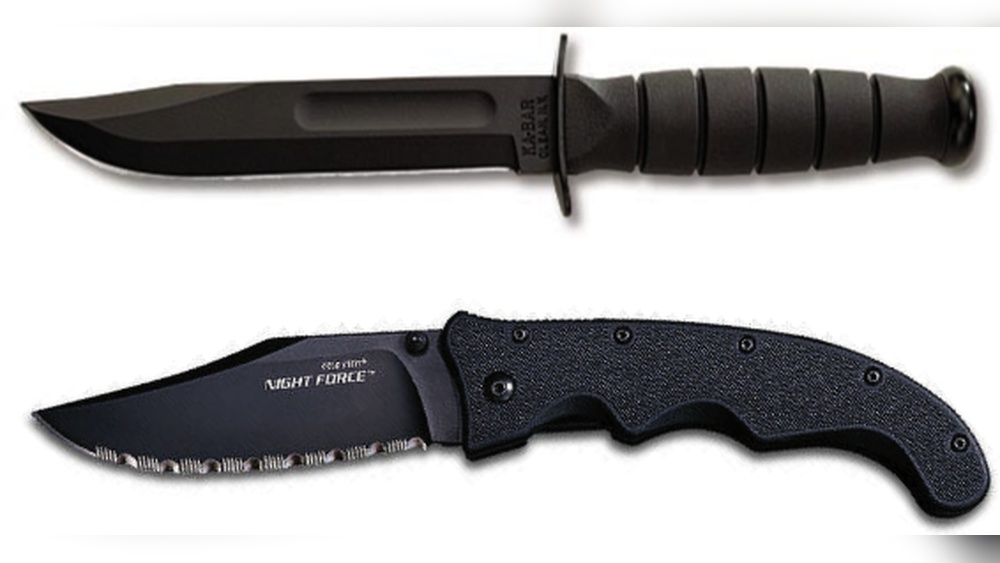
Cutting through bread, slicing tomatoes, or prepping steak, choosing between a serrated knife and a plain edge isn’t as simple as it seems. The debate between these two blade types impacts home cooks, professional chefs, outdoor enthusiasts, and anyone who values a sharp tool in the kitchen or field.
The right choice can mean the difference between a clean slice and a mangled mess, a tool that lasts for years or one that’s frustratingly ineffective.
Understanding the strengths and weaknesses of serrated knives versus plain edge knives is essential for making informed decisions. Both designs have evolved over centuries, each serving distinct purposes. This guide breaks down their practical uses, maintenance demands, real-world performance, and how they fit into various culinary and outdoor scenarios. By exploring expert opinions, comparison data, and actual use cases, you’ll discover which knife is best suited to your needs, and why a one-size-fits-all approach rarely works when it comes to the edges that feed us.
Key Takeaways
- Serrated knives excel at slicing through tough exteriors and soft interiors, making them ideal for bread and certain produce.
- Plain edge knives offer superior control, clean cuts, and are easier to sharpen, perfect for precision tasks.
- The best choice depends on intended use: Kitchen, outdoor, or everyday carry.
- Maintenance, sharpening, and longevity vary greatly between blade types.
- A well-rounded knife collection often includes both serrated and plain edge knives for versatility.
- Real-world examples and case studies highlight the practical differences in performance.

Credit: www.knivesandtools.ie
Serrated Knife Fundamentals
Blade Design And Mechanics
A serrated knife features a blade with saw-like teeth along the cutting edge. These teeth grip and tear through food surfaces, concentrating pressure on small points to initiate cuts that a plain blade might struggle with. The design excels with foods that have a hard crust and soft interior, such as artisan bread or ripe tomatoes. The structure also reduces drag, making it easier to slice with minimal downward force.
Serrated blades are typically made from stainless steel or high-carbon stainless steel, both of which offer excellent rust resistance. The teeth protect the inner edge, maintaining sharpness longer compared to plain edges. However, the complex geometry means that sharpening requires specialized tools and techniques.
Common Uses
Serrated knives are indispensable for:
- Slicing crusty bread, bagels, and pastries without crushing them
- Cutting through delicate-skinned produce like tomatoes or citrus fruits
- Portioning layered cakes or sandwiches
- Outdoor tasks like sawing through rope or tough packaging
Unlike plain edge knives, serrated blades can handle foods with both tough exteriors and soft interiors in a single motion.
Durability And Longevity
Serrated edges retain their cutting ability longer because the points of the teeth absorb most of the wear. In professional kitchens, this means less frequent sharpening, although eventual maintenance is more complicated. The downside is that chipped or broken teeth are difficult to repair, and the knife may eventually need replacement if damaged.
Example: Bakery Slicing
In a busy bakery, workers often slice dozens of loaves per hour. When I tested a commercial-grade serrated bread knife, it consistently produced uniform, clean slices, even after weeks of heavy use. In contrast, a plain edge blade dulled quickly, requiring more effort and often crushing the bread.

Credit: www.billjacksons.com
Plain Edge Knife Fundamentals
Blade Design And Mechanics
A plain edge knife features a smooth, continuous blade with no teeth. This design provides maximum contact with the material being cut, enabling precise, controlled slicing, dicing, and chopping. The edge can be honed to extreme sharpness, and the blade geometry allows for various cutting techniques, such as rocking, push-cutting, and fine mincing.
Plain edge blades are easier to sharpen with conventional sharpening stones or honing rods. Most chef’s knives, paring knives, and utility knives use this edge style, reflecting its versatility across a wide range of kitchen tasks.
Common Uses
Plain edge knives shine in:
- Slicing meats, vegetables, and fruits cleanly without tearing
- Chopping herbs and aromatics for consistent texture
- Peeling, mincing, and precision tasks like filleting or deboning
- Everyday carry applications, such as opening packages or whittling wood
Their versatility makes them a staple in both professional kitchens and home settings.
Durability And Longevity
While plain edges require more frequent sharpening than serrated blades, the process is straightforward. Chips and nicks can often be repaired with basic sharpening tools. High-quality plain edge knives, when properly maintained, can last for decades.
Example: Professional Chef’s Knife
A chef at a Michelin-starred restaurant exclusively uses a high-carbon plain edge knife for all protein prep. The clean cuts ensure attractive presentation and even cooking. In my experience, prepping a box of ripe tomatoes with a plain edge blade yielded perfect, unbruised slices, something a serrated knife would have torn.

Credit: www.youtube.com
Performance Comparison: Serrated Vs Plain Edge
Cutting Efficiency
Cutting efficiency depends on matching the blade to the task. Serrated knives excel at initiating cuts in hard, crusty, or slippery foods, requiring less pressure but sometimes resulting in a ragged edge. Plain edge knives deliver straight, clean cuts but can struggle with hard crusts or tough-skinned foods.
Control And Precision
Plain edge knives offer superior control, allowing for intricate cuts, thin slices, and uniformity, vital for presentation and even cooking. Serrated knives, designed for sawing motions, are less precise but more forgiving when surface grip is needed.
Versatility
Plain edges are more versatile for a broad range of kitchen tasks, while serrated knives are specialized tools. Most professional knife sets include only one or two serrated blades, but several plain edges of varying sizes.
Maintenance And Sharpening
Serrated knives, while slower to dull, are significantly harder to sharpen. Specialized rods or professional services are often required. Plain edge knives need more frequent attention but can be maintained at home with basic equipment.
Table: Side-by-side Comparison
| Feature | Serrated Knife | Plain Edge Knife |
|---|---|---|
| Blade Design | Saw-like teeth | Smooth edge |
| Best for | Bread, tomatoes, cakes | Meats, vegetables, herbs |
| Cutting Motion | Sawing | Slicing, rocking, chopping |
| Sharpening Ease | Difficult | Easy |
| Edge Retention | Longer lasting | Shorter, but easier to restore |
| Precision | Low | High |
| Maintenance | Low frequency, high difficulty | High frequency, low difficulty |
Example: Outdoor Survival
In a field test conducted by experienced hikers, a serrated knife was used to saw through rope and tough branches, while a plain edge knife handled food prep and fine tasks. The serrated blade excelled at quickly cutting fibrous materials, but the plain edge was preferred for carving and skinning.
Real-world Use Cases
Kitchen Applications
Professional chefs and home cooks often find that having both types of knives available leads to the best results. Serrated knives are crucial for bread, tomatoes, and citrus, while plain edges are the workhorses for almost everything else.
- Baking: Serrated blades slice through crusts without compressing the soft interior.
- Tomato Prep: A serrated knife can easily penetrate the skin without squashing the fruit, but a razor-sharp plain edge will deliver cleaner slices when maintained properly.
- Meat Carving: Plain edge knives provide smooth, attractive cuts for cooked meats, while serrated edges can shred or tear, which is undesirable for presentation.
Outdoor And Survival
For campers, hikers, and survivalists, the knife’s edge can be a matter of safety and efficiency.
- Rope and Cord: Serrated blades are superior for quickly severing synthetic ropes, especially when wet or muddy.
- Food Preparation: Plain edges are better for skinning, filleting, and general camp cooking.
- Emergency Use: Many rescue knives feature a serrated section for cutting seatbelts and clothing in high-stress situations.
Everyday Carry (edc)
EDC knives are often chosen based on anticipated daily tasks.
- Opening Packages: Both types perform well, but plain edges offer more control for precise cuts.
- Utility Work: Serrated sections can be handy for abrasive materials, while plain edges excel at general tasks.
Table: Task Suitability
| Task | Serrated Knife Performance | Plain Edge Knife Performance |
|---|---|---|
| Bread Slicing | Excellent | Fair |
| Tomato Slicing | Very good | Excellent (when sharp) |
| Meat Carving | Poor | Excellent |
| Rope Cutting | Excellent | Good |
| Herb Chopping | Poor | Excellent |
| General Food Prep | Fair | Excellent |
| Camping/Survival | Very good | Good |
Case Study: Restaurant Efficiency
A small bistro switched from using plain edge knives for all bread service to a dedicated serrated knife. The result was a 30% reduction in prep time and a significant decrease in waste due to cleaner cuts. This simple tool switch improved staff workflow and customer satisfaction.
Sharpening And Maintenance
Serrated Knife Sharpening
Sharpening a serrated knife is challenging due to the blade’s unique geometry. Each tooth must be sharpened individually with a conical rod or specialized tool. Many users opt for professional sharpening services, as improper technique can damage the blade. Edge retention is generally superior, so frequent sharpening isn’t necessary.
Pro Tip: Use a ceramic sharpening rod that matches the serration size for best results. Focus on the side with the beveled edge.
Plain Edge Knife Sharpening
Plain edge knives are easier to maintain. Users can restore sharpness with:
- Whetstones (for edge repair and fine sharpening)
- Honing rods (for realigning the edge between sharpenings)
- Pull-through sharpeners (for quick, though less precise, results)
Regular honing maintains the edge, while full sharpening is needed only when the blade dulls significantly.
Longevity Factors
Knife longevity depends on:
- Steel quality: High-carbon blades hold edges longer but require more care.
- Usage patterns: Frequent use dulls any blade; proper technique reduces wear.
- Storage: Use blade guards or knife blocks to prevent edge damage.
Table: Maintenance Overview
| Maintenance Task | Serrated Knife | Plain Edge Knife |
|---|---|---|
| Sharpening Frequency | Low | Moderate |
| Sharpening Method | Ceramic rod, pro service | Whetstone, honing rod |
| Edge Repair | Difficult | Easy |
| DIY Maintenance | Hard | Easy |
Example: Home Sharpening
In my experience, a basic whetstone restored my chef’s knife to near-factory sharpness in under 10 minutes. Sharpening a serrated bread knife, however, required a special rod and twice the time, with less satisfying results.
Materials, Cost, And Value
Blade Materials
Both serrated and plain edge knives come in a range of materials:
- Stainless Steel: Most common, highly resistant to rust.
- High-Carbon Stainless: Offers better edge retention and sharpness.
- Ceramic: Extremely sharp and rust-proof, but brittle and hard to sharpen.
The choice of material impacts edge retention, corrosion resistance, and price.
Price Ranges
A quality serrated or plain edge knife can range from $20 for a basic model to $200 or more for professional-grade tools. Serrated knives are often less expensive due to simpler manufacturing, but premium bread knives can command high prices.
Cost-effectiveness
Plain edge knives, with their easier maintenance, may offer better long-term value. Serrated knives, while slower to dull, often need professional sharpening or replacement.
Example: Budget Vs Premium Knives
A $30 serrated bread knife performed nearly as well as a $120 model in a consumer kitchen, largely due to the forgiving nature of the serrated edge. For plain edge knives, however, the difference in steel quality and blade geometry between budget and premium models was much more pronounced.
External Resource
For a comprehensive breakdown of knife materials and their properties, see the Wikipedia Kitchen Knife page.
Choosing The Right Knife For Your Needs
Culinary Professionals
Chefs and bakers require both types of knives to handle the full range of kitchen tasks efficiently. Investing in a high-quality plain edge chef’s knife and a durable serrated bread knife is standard practice in professional settings.
Home Cooks
For most home cooks, a basic knife set with one serrated and one plain edge blade covers the essentials. Evaluate your cooking habits, if you frequently bake bread or slice tomatoes, a quality serrated knife is invaluable. Otherwise, prioritize a versatile plain edge blade.
Outdoor And Edc Users
Hikers, campers, and rescue professionals often favor partially serrated knives, which combine both edge types for maximum versatility. However, these hybrid blades can be harder to sharpen and may not perform as well as dedicated designs.
Specialized Applications
- Pastry chefs prefer thin, serrated blades for intricate cakes.
- Butchers rely on plain edge knives for portioning and skinning.
- Rescue personnel choose serrated blades for emergency seatbelt cutting.
Decision Criteria
When choosing between serrated and plain edge, consider:
- Primary use: What will you cut most often?
- Sharpening capability: Are you comfortable with DIY maintenance?
- Budget: Are you willing to invest in professional tools or sharpening services?
- Portability: Will the knife be used in the kitchen, outdoors, or both?
Example: Partial Serration
Some utility and survival knives feature a partially serrated blade, one section with teeth, the other plain. This hybrid approach offers versatility but can complicate sharpening and may not excel at either task.
External Resource
For additional guidance on knife selection for specific tasks, the experts at America’s Test Kitchen provide in-depth reviews and recommendations.
Frequently Asked Questions
What Foods Should Always Be Cut With A Serrated Knife?
Serrated knives are uniquely suited for foods with a hard exterior and soft interior, such as crusty bread, bagels, and citrus fruits with tough skins. They’re also ideal for slicing through foods with waxy skins, like tomatoes, and for dividing cakes or pastries without compressing them.
Why Do Some Knives Have Both Serrated And Plain Edges?
Hybrid knives, often found in utility or survival tools, combine both edge types to offer versatility in one blade. The serrated portion handles rope or fibrous materials, while the plain edge manages detailed or smooth cuts. This design is popular in outdoor and rescue scenarios but can be harder to sharpen and maintain.
How Can I Tell When My Serrated Knife Needs Sharpening?
Unlike plain edge knives, serrated blades dull less uniformly. Signs of dullness include increased sawing effort, tearing rather than clean slicing, or visible rounding of the teeth. If bread or tomatoes begin to crush rather than slice easily, it’s time for a touch-up or professional sharpening.
Are There Foods Or Tasks Where A Serrated Knife Should Never Be Used?
Avoid using serrated knives for tasks that require precision or clean cuts, such as slicing raw meat, filleting fish, or chopping herbs. The teeth can tear delicate foods, resulting in uneven pieces or loss of juices. Stick to a sharp plain edge for these applications.
Which Knife Type Is Safer For Beginners?
Both types can be safe if used correctly, but plain edge knives offer better control and predictability for most kitchen tasks. Serrated knives require a sawing motion, which can slip if not used carefully. Beginners should focus on mastering proper technique with a plain edge before using specialized blades.
Choosing between a serrated knife and a plain edge is about understanding your needs, preferences, and willingness to maintain your tools. Both have a place in the well-equipped kitchen or toolkit. By considering factors like cutting tasks, maintenance, and long-term value, you can assemble a knife collection that supports your culinary ambitions or outdoor adventures.
Whether you’re a professional chef, a home cook, or a weekend camper, the right blade makes all the difference, ensuring every slice is as effortless and precise as possible.