Is 440c Steel Good For A Knife?
When you’re searching for a new knife, whether for the kitchen, outdoor adventures, or everyday carry, you’ll notice many brands highlight the steel used in their blades. One name that often pops up is 440C steel. But is 440C steel good for a knife? The answer isn’t just yes or no. It depends on what you expect from your knife, how you plan to use it, and what you value most, sharpness, toughness, corrosion resistance, or price.
This article takes a practical look at 440C steel, breaking down its properties, how it compares to other common knife steels, and what you should know before buying a knife made with it. You’ll find real-life insights, data, and examples that help you make a confident choice.
What Is 440c Steel?
440C steel is a high-carbon, high-chromium stainless steel. It belongs to the 400 series, a group of steels known for combining good hardness with solid corrosion resistance. The “C” in 440C means it has the highest carbon content in the 440 family, making it harder than 440A or 440B.
Here’s a quick look at the typical chemical composition of 440C steel:
| Element | Percentage (%) |
|---|---|
| Carbon | 0.95, 1.20 |
| Chromium | 16.0, 18.0 |
| Manganese | 1.0 max |
| Silicon | 1.0 max |
| Molbydenum | 0.75 max |
| Phosphorus | 0.04 max |
| Sulfur | 0.03 max |
This mix gives 440C its key qualities: hardness, wear resistance, and corrosion resistance. The steel is often heat-treated to reach a hardness between 58 and 60 HRC (Rockwell Hardness Scale), which is considered excellent for many knife uses.
Strengths Of 440c Steel Knives
Superior Corrosion Resistance
One of the biggest strengths of 440C steel is its corrosion resistance. Thanks to the high chromium content (at least 16%), 440C knives are less likely to rust, even in humid, wet, or salty environments. This is why you’ll see 440C used in dive knives, food processing tools, and outdoor gear.
If you often use knives near water or want something low-maintenance, this is a big advantage. Many cheaper “stainless” steels can still stain or corrode, but 440C stands up well, especially when cleaned and dried after use.
High Hardness And Edge Retention
440C can be heat-treated to a high hardness (typically 58, 60 HRC). This means:
- The blade can be made very sharp
- The edge stays sharp for longer with normal use
- The knife resists wear from cutting tough materials
For slicing tasks, food prep, or light utility work, this kind of hardness is a big plus. In my experience, a properly hardened 440C blade can keep a keen edge for weeks of daily kitchen work before needing a touch-up.
Good For Polishing And Appearance
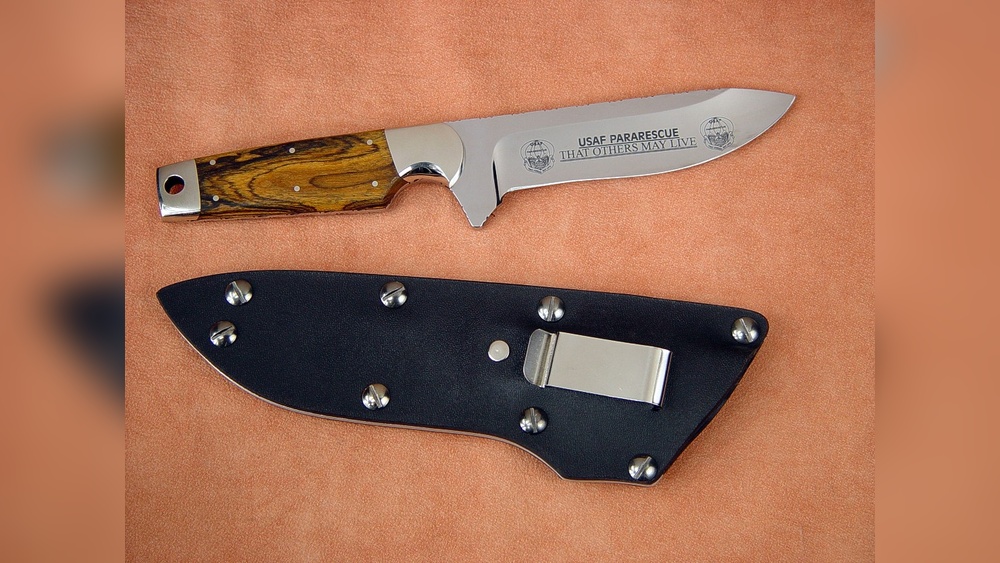
440C steel has a fine grain structure. This allows knife makers to polish it to a mirror finish, making knives look attractive and feel smooth in hand. Collectors and chefs often appreciate this aesthetic quality.
Easy To Maintain
Because of its stainless nature, 440C steel doesn’t need as much oiling or drying as high-carbon non-stainless steels like 1095. This reduces the risk of staining and makes maintenance easier, especially for beginners.
Weaknesses And Limitations Of 440c Steel
Not The Toughest Steel
While 440C is hard, it’s not as tough as some modern steels. Toughness means how well a knife resists chipping, cracking, or breaking under impact or twisting. If you use a 440C knife for heavy chopping, prying, or batoning wood, it might chip or break.
For outdoor survival, bushcraft, or tasks where the knife takes abuse, tougher steels (like tool steels or softer stainless) are often better choices.
More Difficult To Sharpen
High hardness means the edge lasts longer, but it also makes 440C harder to sharpen once it finally gets dull. You’ll need a good quality sharpening stone, and it may take more time to restore a razor edge compared to softer steels.
Edge Stability At Thin Grinds
If a knife is ground very thin (for super fine slicing), 440C can sometimes suffer from micro-chipping. This is less of a problem in thicker, sturdier blades, but it’s worth noting if you want an ultra-thin chef’s knife.
Outperformed By Modern Steels
There are newer stainless steels (like VG-10, S30V, or 154CM) that surpass 440C in both toughness and edge retention. While 440C is still respected, it’s sometimes seen as “old school” by knife enthusiasts. That said, for many uses, the difference is not critical.
Common Uses Of 440c Steel
Everyday Carry (edc) Knives
Many folding knives for EDC use 440C steel because it offers a good blend of sharpness, rust resistance, and price. These knives are reliable for opening boxes, cutting rope, or small food prep.
Kitchen And Culinary Knives
Chefs and home cooks often pick 440C for kitchen knives, especially those who want less maintenance. Its stain resistance is especially useful for cutting acidic foods like tomatoes or citrus fruits.
Outdoor, Tactical, And Survival Knives
Some outdoor knives are made from 440C, especially those designed for wet conditions, such as fishing knives or dive knives. However, for heavy-duty tasks, knife makers may prefer tougher steels.
Collectible And Custom Knives
Because 440C can take a high polish, it’s used in custom and presentation knives. Knife makers can show off their craftsmanship with intricate designs and finishes.
440c Steel Compared To Other Knife Steels
Choosing the right steel often means comparing several options. Here’s how 440C stacks up against some common alternatives:
| Steel | Hardness (HRC) | Corrosion Resistance | Edge Retention | Toughness | Ease of Sharpening |
|---|---|---|---|---|---|
| 440C | 58, 60 | Excellent | Good | Moderate | Fair |
| VG-10 | 59, 61 | Very Good | Very Good | Moderate | Fair |
| 154CM | 58, 61 | Good | Very Good | Good | Moderate |
| 8Cr13MoV | 57, 59 | Good | Moderate | Good | Easy |
| 1095 | 55, 58 | Poor | Moderate | Excellent | Easy |
Insights for Beginners:
- Modern steels like VG-10 or 154CM can give slightly better edge retention and toughness but may cost more.
- 440C is often a step above entry-level stainless steels (like 420 or 8Cr13MoV) in sharpness and rust resistance, but not as expensive as “super steels.”
What Makes 440c Unique?
Balance Of Properties
440C is sometimes called a “jack of all trades” among knife steels. It’s not the absolute best in one area, but it balances sharpness, corrosion resistance, and cost. For most users, this balance is practical and user-friendly.
Widely Available And Affordable
Because 440C has been around for decades, it’s produced by many steel mills worldwide. This keeps prices reasonable. You’ll find 440C in both budget knives and some high-end custom models.
Proven Track Record
Many military, law enforcement, and outdoor users have relied on 440C knives since the 1970s. Its reputation comes from real-world performance, not just marketing.
Real-world Examples: When 440c Steel Shines
Saltwater And Wet Environments
If you fish, dive, or camp in coastal areas, a 440C knife resists rust much better than most tool steels. Even with little maintenance, the blade keeps its shine.
Food Preparation
Cutting acidic foods with a 440C kitchen knife is less stressful. You don’t have to worry about stains or corrosion, which often happens with high-carbon steels.
Edc And General Utility
For daily tasks like opening packages or cutting cord, 440C’s edge retention means less sharpening, and its corrosion resistance means less fuss about cleaning.
Collectors And Gift Knives
Knives with a mirror-polished 440C blade look impressive. Custom makers often use 440C to create showpieces that are both functional and beautiful.
When 440c Might Not Be The Best Choice
Heavy-duty Survival Or Bushcraft
If your knife will face batonning wood, prying, or other high-stress tasks, 440C’s hardness can be a drawback. There’s a higher risk of chipping compared to tougher steels like 1095 or CPM-3V.
Demanding Edge Retention
For professionals who cut abrasive materials all day (carpet, cardboard, rope), “super steels” like S30V or M390 will hold an edge longer. But these come at a much higher price.
Extreme Thin Grinds
If you want a super-thin, laser-like kitchen knife, 440C can microchip faster than some premium Japanese steels. For most home cooks, this is not an issue, but chefs with special needs might look elsewhere.
How To Care For A 440c Knife
Simple Maintenance
While 440C resists rust, it’s still smart to:
- Wash and dry the knife after use, especially after cutting acidic foods
- Avoid the dishwasher (harsh detergents can dull the edge)
- Use a soft cloth to wipe off fingerprints and moisture
Sharpening Tips
Because 440C is hard, use:
- A diamond or ceramic sharpening stone for best results
- Light pressure and consistent angles (usually 20 degrees per side for most knives)
- Honing rods between sharpening to keep the edge aligned
Pro Tip: If you’re new to sharpening, start with a less expensive knife to practice before working on your best 440C blade.
Storage
Store knives in a dry place, ideally in a knife block, magnetic strip, or blade guard. Avoid tossing them in drawers, which can dull and damage the edge.

Credit: www.ebay.com
Typical Price Range And Value
440C knives are generally affordable. You’ll find them in:
- Budget and mid-range kitchen knives
- EDC folding knives priced between $20 and $80
- Custom or collectible knives (prices vary widely)
Compared to “super steel” knives, 440C offers good value for people who want a reliable, low-maintenance blade without a big investment.
Common Buyer Mistakes With 440c Knives
- Assuming All 440C Is Equal: Not all 440C knives are the same. Heat treatment has a huge impact on performance. A poorly heat-treated 440C knife might feel soft or dull quickly.
- Ignoring Handle Quality: The steel is only part of the story. A comfortable, safe handle is just as important for performance and safety.
- Expecting Super Steel Performance: 440C is excellent for many uses, but don’t expect it to outperform the latest powder metallurgy steels in extreme conditions.
- Skipping Maintenance: While 440C is stainless, it’s not “stain-proof.” It still needs basic care to prevent corrosion and keep its edge.
- Not Checking Authenticity: Some cheap knives claim “440C” but use lower grades like 440A. Buy from reputable brands or sellers who share details about their steel.
How To Identify Genuine 440c Steel Knives
Some sellers may advertise 440C, but the knife actually uses a lower grade steel. Look for:
- Detailed product specs listing the steel type and hardness (58, 60 HRC is typical for real 440C)
- Reputable knife brands with positive reviews
- Country of manufacture (US, Japan, and Germany are known for quality control)
- Ask the seller for specifics about the steel and heat treatment if you’re unsure
Who Should Choose 440c Steel Knives?
440C steel is a smart choice if you:
- Want a knife that resists rust and stains
- Prefer less maintenance
- Need a sharp, reliable edge for general kitchen or EDC use
- Like the look of a polished blade
- Want good value without paying for “super steel”
It’s less suitable if you need extreme toughness for prying or heavy chopping, or if you want the absolute longest edge retention.
Environmental Impact And Sustainability
Knife steels like 440C are produced worldwide, and the environmental footprint depends on the mill and country. Generally, stainless steel production uses more energy than carbon steels due to the added chromium, but the longer lifespan and rust resistance of 440C knives can offset this by reducing waste.
If sustainability is important to you, look for brands that use recycled steel or have responsible sourcing policies. For more on stainless steel production and its impact, visit the Wikipedia page on stainless steel.
Is 440c Steel Still Relevant?
In my experience, 440C knives remain popular for a reason. They