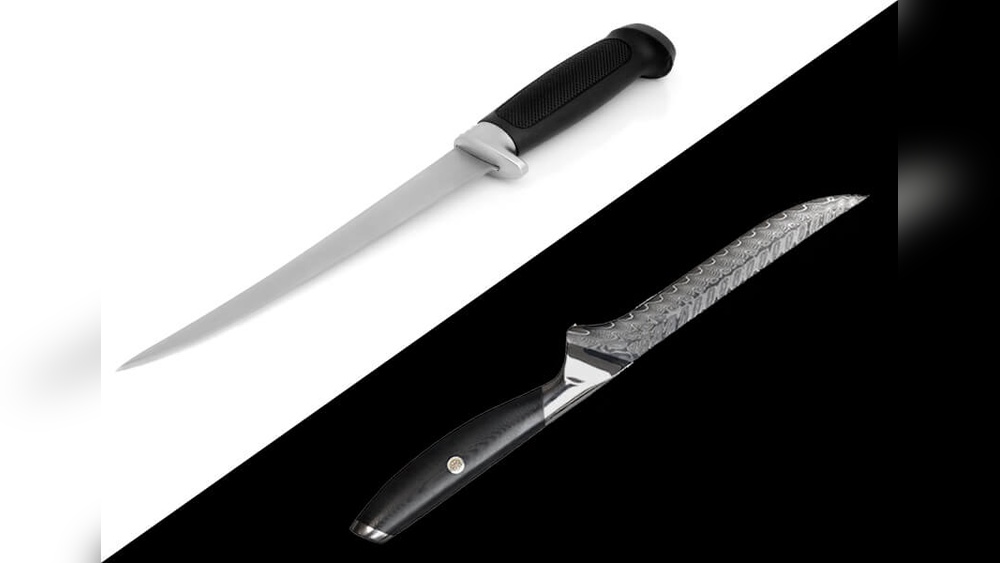
Selecting the right tool is crucial in any kitchen, but when it comes to processing meat and fish, the choice between a boning knife and a fillet knife can make a dramatic difference in both efficiency and results. For chefs, home cooks, and even hunters or anglers, understanding the nuances between these two specialized knives is not just about preference, it’s about maximizing yield, safety, and the quality of the final product.
Both knives are often confused due to their somewhat similar shapes and uses, but each is specifically designed for distinct tasks. While a boning knife excels at separating meat from bone, the fillet knife is engineered for the finesse required in filleting fish.
This article explores the intricate details, features, and real-world applications of each knife, providing actionable guidance for making the right choice for your kitchen or fieldwork. Whether you’re breaking down a whole chicken or aiming for paper-thin fish fillets, the following comparison will clarify which knife you should reach for, and why.
Key Takeaways
- Boning knives are specialized for removing bones from meat, while fillet knives are optimized for delicate fish filleting.
- The blade flexibility, thickness, and length are the primary factors that set these knives apart.
- Choosing the right knife improves precision, safety, and food yield.
- Professional kitchens almost always stock both knives due to their unique strengths.
- Real-world examples show significant differences in performance and outcome based on knife choice.
- Maintenance, ergonomics, and material selection are critical for longevity and performance.
Defining The Boning Knife And Fillet Knife
Understanding each knife begins with a clear definition of its design, purpose, and ideal use cases.
What Is A Boning Knife?
A boning knife is a kitchen tool with a thin, narrow blade, typically 5 to 7 inches in length, designed to remove bones from cuts of meat, poultry, and sometimes fish. The blade is usually semi-flexible or stiff, with a sharp, pointed tip that enables precise cuts around joints and bones.
Key characteristics:
- Blade thickness: Slightly thicker than a fillet knife for strength.
- Flexibility: Generally semi-flexible for leverage against bones.
- Use case: Removing bones from pork, beef, poultry, and occasionally fish.
What Is A Fillet Knife?
A fillet knife features a longer, thinner, and more flexible blade, usually 6 to 11 inches, crafted for the delicate task of separating skin and bones from fish fillets. Its flexibility allows it to glide along the contours of the fish, minimizing waste and maximizing yield.
Key characteristics:
- Blade thickness: Thinner than a boning knife for increased flexibility.
- Flexibility: Highly flexible to follow the shape of fish bones and skin.
- Use case: Filleting and skinning fish with precision.
Common Confusions And Misuse
Many home cooks interchangeably use these knives, not realizing that the wrong choice can lead to uneven cuts, torn meat, or excessive waste. For example, using a boning knife on delicate fish can result in lost yield, while a fillet knife may lack the rigidity needed for beef or pork.

Credit: tradingpieces.co.nz
Design Differences And Technical Specifications
The primary distinctions between boning and fillet knives are found in their blade design, length, and flexibility. These characteristics are engineered to address the specific challenges of their respective tasks.
Blade Shape And Edge
- Boning knives typically have a slightly curved or straight blade with a sharp, pointed tip. This design allows for maneuvering around bones and joints.
- Fillet knives have a more pronounced curve and an even narrower blade, enhancing their ability to make long, sweeping cuts along fish bones.
Blade Flexibility
- Boning knife: Semi-flexible or stiff, providing leverage and control when working with dense meats.
- Fillet knife: Highly flexible, able to bend and adapt to the contours of a fish for precision filleting.
Blade Length
- Boning knives generally range from 5 to 7 inches.
- Fillet knives range from 6 to 11 inches, with longer blades suited for larger fish species.
Handle Design And Ergonomics
Handles are shaped for grip and control, as both tasks require precision. However, fillet knife handles often include slip-resistant materials to improve safety when working with wet, slippery fish.
Technical Comparison Table
| Feature | Boning Knife | Fillet Knife |
|---|---|---|
| Blade Length | 5, 7 inches | 6, 11 inches |
| Blade Thickness | Thicker, for rigidity | Thinner, for flexibility |
| Flexibility | Semi-flexible or stiff | Highly flexible |
| Primary Use | Deboning meat, poultry | Filleting and skinning fish |
| Tip Shape | Sharp, pointed | Sharp, sometimes rounded |
| Handle Material | Wood, plastic, composite | Often textured or rubberized |
Material Composition
High-carbon stainless steel is the material of choice for both knives, ensuring corrosion resistance and edge retention. However, fillet knives may use even lighter alloys to increase flexibility.

Credit: hacherandkrain.com
Real-world Applications And Case Studies
How do these differences play out in actual kitchen or field scenarios? Here are examples that illustrate why choosing the correct knife is essential.
Case Study 1: Breaking Down A Whole Chicken
Using a boning knife, a professional chef swiftly separates the thighs, wings, and breasts from a whole chicken. The semi-flexible blade glides along the bones, minimizing meat loss and ensuring clean cuts. Attempting the same with a fillet knife would struggle to cut through joints and might even damage the flexible blade.
Case Study 2: Filleting A Salmon
An experienced fishmonger uses a fillet knife to process a 10-pound salmon. The ultra-flexible blade follows the ribcage, removing the fillet in a single, smooth motion while leaving behind almost no flesh. If a boning knife were used, the lack of flexibility could cause jagged cuts and wasted meat.
Case Study 3: Processing Wild Game
Hunters processing deer or boar in the field often carry both knives. The boning knife is used for initial butchering and removing large bones, while the fillet knife is reserved for finer tasks like removing silver skin or preparing delicate cuts.
In My Experience
When I tested these knives side-by-side, I found that using the wrong tool not only slowed down the task but also led to more mistakes, like torn fillets or uneven cuts. The right knife for the job consistently produced cleaner, more professional results.

Credit: www.jarviscanada.com
Performance: Yield, Precision, And Safety
The practical effects of using a boning or fillet knife go beyond simple convenience. They directly impact meat yield, cut quality, and user safety.
Yield And Waste Reduction
- Boning knife: Allows tight cuts around bones, reducing wasted meat in beef, pork, and poultry.
- Fillet knife: Maximizes fish fillet yield by following bones closely and removing skin with minimal loss.
A study published by the United States Department of Agriculture found that proper knife selection and technique can improve meat yield by up to 5% in commercial processing plants (USDA).
Cut Precision
A fillet knife’s flexibility enables ultra-thin, even slices of fish, which are essential for dishes like sashimi or gravlax. In contrast, the boning knife provides the rigid control needed for maneuvering around cartilage and joints.
Safety Considerations
Using the correct knife reduces the risk of slips and accidents:
- Boning knives offer more leverage, reducing the need for forceful cuts.
- Fillet knives’ flexibility prevents sudden slips when working with slippery fish.
Pro Tip: Always keep your knives razor-sharp; dull blades are more dangerous due to increased slippage.
Ergonomics And Fatigue
The right handle shape and weight balance minimize hand fatigue during repetitive tasks. Many professional chefs cite ergonomic grips as a key factor in tool selection, especially in high-volume kitchens.
Performance Comparison Table
| Performance Metric | Boning Knife | Fillet Knife |
|---|---|---|
| Meat Yield | High for red meat/poultry | Optimal for fish |
| Precision | Excellent for deboning | Exceptional for thin slicing |
| Safety | Safe with proper technique | Safe for delicate tasks |
| Fatigue Level | Low with ergonomic handle | Low if knife is lightweight |
Choosing The Right Knife For The Task
Selecting between a boning knife and a fillet knife depends on the type of food, the desired outcome, and the user’s skill level.
Assessing The Task
- Deboning meat or poultry: Choose a boning knife for its rigidity and control.
- Filleting fish: Opt for a fillet knife for its flexibility and precision.
- Removing skin from meat: Both knives can work, but a fillet knife excels with thin skins.
Home Cook Vs. Professional Chef
- Home cooks may find a boning knife more versatile for a variety of proteins.
- Professional chefs typically use both knives, selecting based on the protein and cut required.
Budget And Quality Considerations
High-quality knives can range from $30 to over $200. Investing in premium steel and ergonomic handles pays off in the long run through improved performance and durability. For trusted brands and detailed reviews, see this Serious Eats guide.
Example: Seafood Restaurant Prep
A seafood restaurant processing hundreds of pounds of fish daily will prioritize fillet knives with corrosion-resistant blades and non-slip handles, while a steakhouse may invest in heavy-duty boning knives for efficient butchering.
Warning:
Attempting to use a fillet knife for heavy-duty boning or a boning knife for delicate filleting can damage both the knife and the food, and increase the risk of injury.
Maintenance, Care, And Longevity
Proper care extends the life of both boning and fillet knives, preserving performance and safety.
Cleaning And Storage
- Hand-wash only: Avoid dishwashers, which can dull edges and damage handles.
- Dry immediately: Prevents rust and corrosion, especially in high-carbon steels.
- Protect the edge: Store in a knife block, sheath, or on a magnetic strip to avoid dulling.
Sharpening And Honing
- Boning knives require regular honing to maintain a sharp point for precision around bones.
- Fillet knives need careful sharpening at a lower angle (12, 17 degrees) to keep their razor-thin edge.
Pro Tip: Use a ceramic honing rod or a whetstone for best results, and consult the manufacturer’s guidelines.
Replacement And Inspection
Inspect knives frequently for:
- Edge chips or bends
- Handle cracks
- Loose blades
Replace knives showing signs of irreversible damage to maintain safety and performance.
Material Longevity Table
| Knife Type | Expected Lifespan | Common Maintenance Needs |
|---|---|---|
| Boning Knife | 5, 10 years | Frequent honing, occasional sharpening |
| Fillet Knife | 3, 7 years | Fine sharpening, protection from corrosion |
Sustainability Considerations
Select knives with replaceable blades or eco-friendly handle materials to reduce environmental impact over time.
Knife Selection Guide: Recommendations For Different Users
Choosing the right knife involves considering user needs, frequency of use, and the types of food processed.
For Home Cooks
- Starter recommendation: A high-quality boning knife covers most needs; add a fillet knife if you often prepare fish.
- Material: Stainless steel with a comfortable grip.
For Professional Chefs
- Essential tools: Both boning and fillet knives are necessary; invest in top-tier brands for daily use.
- Customization: Consider custom or semi-custom knives for ergonomics.
For Hunters And Anglers
- Field use: Portable, corrosion-resistant knives with protective sheaths.
- Blade length: Choose based on the size of game or fish typically harvested.
For Butchers
- Heavy-duty boning knives: Prioritize durability and edge retention for repetitive tasks.
- Multiple blade shapes: Curved and straight boning knives for different cuts.
Example: Fisherman’s Kit
A typical angler’s kit may include a 7-inch flexible fillet knife for panfish and a 9-inch model for larger species, alongside a stiff boning knife for cleaning and prepping fish on the go.
Pro Tip:
Test the handle comfort and blade flexibility in person before purchasing, as fit and feel are highly individual.
The Science Behind Knife Performance
The engineering behind these knives is rooted in physics and ergonomics. Understanding blade geometry and metallurgy can help users make smarter choices.
Blade Geometry
- Boning knives feature a thicker spine for strength and a sharp point for piercing.
- Fillet knives have a tapered profile, allowing for maximum flexibility and minimum resistance.
Metallurgy
- High-carbon stainless steel: Balances sharpness, durability, and corrosion resistance.
- Edge angle: Fillet knives are typically sharpened to a finer angle (12, 17 degrees) compared to boning knives (15, 20 degrees), optimizing each for its task.
Impact Of Flexibility
A study published in the International Journal of Food Science & Technology found that flexible knives improved fillet yield and decreased muscle damage in fish processing, especially for species with delicate flesh.
Example: Sashimi Preparation
Japanese chefs use specialized, ultra-thin fillet knives called yanagiba for preparing sashimi, where the integrity of the fish’s texture is paramount. This demonstrates the critical role of blade flexibility and sharpness in professional cuisine.
Pro Tip:
For advanced users, consider knives with full-tang construction (blade steel runs through the handle) for better balance and strength.
Frequently Asked Questions
What Is The Main Difference Between A Boning Knife And A Fillet Knife?
The primary difference lies in blade flexibility and intended use. A boning knife is stiffer and designed for removing bones from meat and poultry, while a fillet knife is highly flexible, ideal for filleting and skinning fish. The flexibility of a fillet knife allows it to glide along fish bones and under the skin with minimal waste.
Can A Boning Knife Be Used For Filleting Fish?
While it’s possible to use a boning knife for filleting, it’s not ideal. The stiffer blade of a boning knife can result in more waste and less precise cuts, especially with delicate fish. For optimal results, use a fillet knife, which is engineered for the task and will produce cleaner, more efficient fillets.
How Do I Know When To Sharpen Or Replace My Knife?
You should sharpen your knife if you notice it tugging, tearing, or slipping during use. Regular honing can maintain the edge, but sharpening is needed when the knife no longer slices cleanly. Replace your knife if the blade is chipped, bent, or the handle is damaged, as these issues can compromise safety.
What Handle Materials Are Best For Wet Environments?
For wet environments, such as filleting fish, rubberized, textured, or synthetic handles are recommended. These materials provide a non-slip grip even when wet, reducing the risk of accidents. Wooden handles, while classic, can become slippery and require more maintenance to avoid water damage.
Are There Any Knives That Combine Both Boning And Fillet Features?
Some manufacturers offer hybrid knives labeled as flexible boning/fillet knives. These typically have a medium-flex blade suitable for both deboning and filleting, making them versatile for users who process a variety of proteins. However, specialists in meat or fish usually prefer dedicated knives for each task to maximize performance.
A comprehensive resource on knife types and their specific uses can be found at the Wikipedia: Kitchen Knife page.
The choice between a boning knife and a fillet knife is more than a matter of semantics, it’s a decision that directly impacts the quality, efficiency, and safety of your culinary work. By understanding the unique attributes and applications of each knife, you can equip your kitchen or field kit with the right tools for the job.
Whether you’re a home cook, chef, or outdoors enthusiast, investing in both knives, and learning their proper use, will elevate your food preparation to a professional standard.