If you’ve ever tried slicing a tomato with a dull knife, you know the frustration it brings. A sharp knife is not just about making cooking easier, it’s about safety and keeping your tools in good condition. One of the simplest ways to maintain your knives is with a pull through knife sharpener. This tool is popular for home cooks and professionals alike, offering a quick and reliable way to restore your blade’s edge.
But using a pull through sharpener isn’t just about dragging the knife through and hoping for the best. Technique, understanding the device, and knowing what to expect are important for good results. In this guide, you’ll learn exactly how to use a pull through knife sharpener, what to avoid, and how to get the best possible results for your kitchen.
What Is A Pull Through Knife Sharpener?
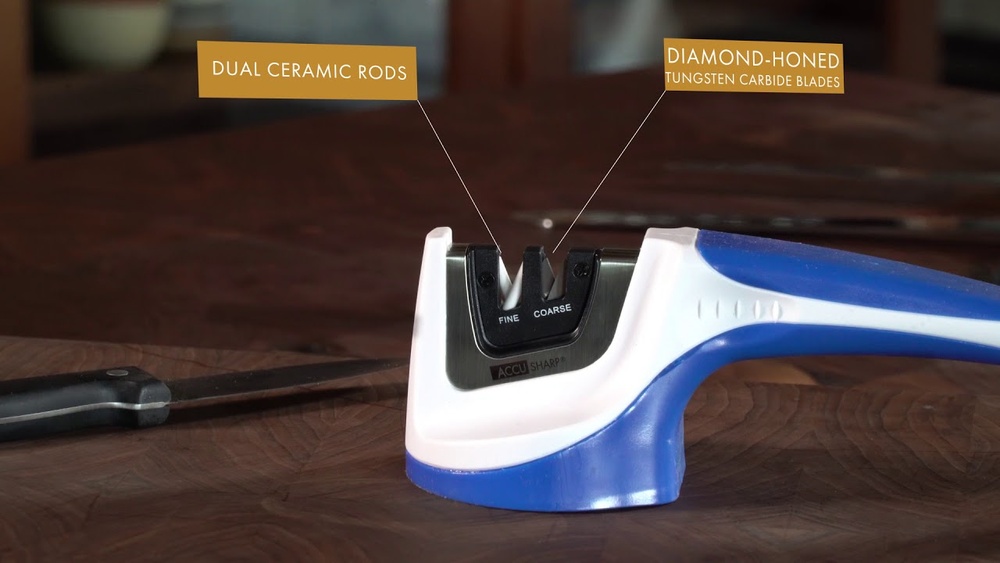
A pull through knife sharpener is a compact tool designed for easy and fast knife sharpening. Most have one or more slots with built-in abrasive materials, like ceramic rods or carbide blades. You hold the sharpener steady, then pull the knife blade through the slot a few times to restore its edge.
These sharpeners are popular because they don’t require special skills. Unlike whetstones or electric sharpeners, they offer a user-friendly solution for people who want to keep their knives sharp without spending a lot of time.
Common Types Of Pull Through Sharpeners
Pull through sharpeners come in a few main types:
- Single-stage sharpeners: Have just one slot for basic sharpening.
- Two-stage sharpeners: Offer a coarse slot for dull blades and a fine slot for honing.
- Multi-stage sharpeners: Include extra slots for various edge finishes or for serrated knives.
Some advanced models even let you adjust the angle of sharpening to match different knife styles.
How They Compare To Other Sharpening Tools
Understanding how pull through sharpeners differ from other options can help you decide if it’s right for you. Here’s a quick comparison:
| Tool Type | Skill Needed | Speed | Edge Quality | Best For |
|---|---|---|---|---|
| Pull Through Sharpener | Low | Fast | Good | Home use, quick touch-ups |
| Whetstone | High | Slow | Excellent | Enthusiasts, chefs |
| Electric Sharpener | Low | Very fast | Varies | Busy kitchens |
| Sharpening Rod/Honing Steel | Medium | Medium | Good (for maintenance) | Maintaining edge, not sharpening |
Why Knife Sharpness Matters
A sharp knife means more than easy slicing. It’s a key part of kitchen safety. Dull knives require more force, making slips and accidents more likely. They can also damage food, crushing delicate ingredients instead of making clean cuts.
Professional chefs sharpen their knives regularly, but many home cooks forget this step. According to the American National Standards Institute (ANSI), a properly sharpened knife can reduce cutting accidents by as much as 30%. Keeping your knife sharp also extends its life because you use less force and avoid damaging the blade.
Parts And Features Of A Pull Through Sharpener
Before using a pull through sharpener, it’s helpful to know the parts you’ll be working with:
- Abrasive slots: Where sharpening actually happens. Usually labeled “coarse” and “fine.”
- Handle or grip: Used to hold the sharpener steady.
- Non-slip base: Prevents the tool from sliding during use.
- Angle guides: Some models have guides to help you sharpen at the correct angle.
Pro Tip: Not all knives are designed for the same sharpening angle. Most Western knives use a 20-degree angle, while Japanese knives often need 15 degrees.
Step-by-step: How To Use A Pull Through Knife Sharpener
Using a pull through sharpener is straightforward, but following the right steps ensures better results and extends your knife’s life. Here’s how to do it, based on my experience and kitchen tests.
1. Prepare Your Knife And Sharpener
First, wash and dry your knife. Any grease or food residue can affect sharpening and damage the abrasive materials. Place your sharpener on a stable, flat surface. If your model has a non-slip base, make sure it’s pressed firmly against the countertop.
2. Identify The Correct Slot
Look for labels like “coarse” and “fine.” If your knife is very dull or hasn’t been sharpened in a long time, start with the coarse slot. For regular maintenance, use the fine slot only.
3. Position The Knife
Hold the sharpener handle with your non-dominant hand to keep it steady. With your dominant hand, place the knife blade heel-first into the slot at the correct angle. Most sharpeners are designed for the knife to sit flat, but check the manual for special instructions.
4. Pull The Knife Through
Apply gentle, even pressure. Pull the blade from heel to tip through the slot. Don’t push the knife back and forth, only pull in one direction. For most knives, 3, 6 pulls are enough in each slot.
- For very dull knives, use the coarse slot first, then repeat in the fine slot.
- For regular touch-ups, the fine slot alone usually works.
5. Check The Edge
After sharpening, carefully feel the edge with your thumb (moving across, not along, the blade). It should feel noticeably sharper. Wipe the knife with a damp cloth to remove any metal particles.
6. Test Your Knife
Try slicing a piece of paper or a tomato. A well-sharpened knife should cut smoothly without crushing or tearing.

Credit: www.foodandwine.com
Common Mistakes To Avoid
Even with a simple tool, mistakes can happen. Here are some pitfalls I’ve seen beginners (and even experienced cooks) make:
- Pressing too hard: Applying too much pressure can damage both the blade and the sharpener’s abrasives.
- Sharpening too often: Over-sharpening can wear down your knife unnecessarily. For home cooks, once a month is usually enough.
- Ignoring angle guides: Some knives need a specific angle. Ignoring this can result in a less effective edge.
- Using dirty knives: Food residue can clog the abrasive slots and reduce the sharpener’s life.
- Pulling too quickly: Rushing can lead to uneven sharpening. Slow, steady pulls work best.
Choosing The Right Pull Through Sharpener
Not all pull through sharpeners are the same. Here’s what to look for when buying one for your kitchen:
Material Of Abrasives
The abrasive material affects how well the sharpener works and how long it lasts.
- Carbide: Removes material quickly, good for very dull knives.
- Ceramic: Provides a finer edge, better for honing and finishing.
Number Of Stages
More stages usually mean more control. A two-stage sharpener is a good balance for most kitchens. Extra slots are only necessary if you have a lot of specialty knives.
Angle Adjustability
Some pull through sharpeners let you adjust the sharpening angle. This is useful if you have both Western and Japanese knives.
Size And Stability
A non-slip base and comfortable handle are important for safety. Small, travel-size sharpeners can be handy for camping or outdoor use, but may not be as stable as larger models.
Price Vs. Quality
You don’t need to buy the most expensive sharpener, but very cheap models may use poor-quality abrasives that wear out quickly.
Here’s a quick comparison of features to consider:
| Feature | Why It Matters | What to Look For |
|---|---|---|
| Abrasive Material | Affects sharpness and blade wear | Ceramic for fine, carbide for coarse |
| Number of Slots | Flexibility for dull or sharp knives | At least two slots |
| Angle Guides | Helps maintain correct sharpening angle | Adjustable or labeled guides |
| Non-slip Base | Prevents accidents | Rubber or silicone base |
| Price | Durability and performance | Mid-range for best value |

Credit: theprepared.com
Maintenance Tips For Your Sharpener
To keep your pull through sharpener working well, follow these care tips:
- Clean the sharpener after each use with a dry brush or cloth to remove metal shavings.
- Never wash it in the dishwasher unless the manual says it’s safe.
- Store in a dry place to avoid rust, especially if it has metal parts.
- Replace the sharpener if you notice deep grooves or damage in the abrasive slots.
Pro Tip: After heavy use, check your sharpener’s abrasive rods for wear. Worn abrasives can actually dull your knife instead of sharpening it.
When Not To Use A Pull Through Sharpener
Pull through sharpeners are great for most kitchen knives, but they’re not the best choice for every situation. Here are times when you should avoid them:
- Serrated knives: Most pull through sharpeners can damage the teeth of serrated blades.
- Very expensive or specialty knives: High-end Japanese knives with a single bevel or custom angles may require a whetstone.
- Damaged blades: Chips or bent edges need professional repair.
If your knife has a thick bolster (the area where blade meets handle), a pull through sharpener may not sharpen the entire blade length evenly.

Credit: www.youtube.com
Safety Considerations
Knife sharpening is safe if you follow basic guidelines, but accidents can happen if you rush or use the tool incorrectly.
- Always hold the sharpener steady, never try to use it with one hand while it slides around.
- Pull the knife away from your body, not toward.
- Keep fingers away from the slots while sharpening.
Most kitchen injuries from sharpeners happen because people are distracted or in a hurry.
Signs Your Knife Needs Sharpening
Not sure when to sharpen your knife? Here are clues:
- It squashes or tears tomatoes instead of slicing cleanly.
- You have to use extra force to cut onions or carrots.
- The blade slips off food, increasing accident risk.
- Paper or thin items won’t cut without sawing.
Pro Tip: Try the “paper test”, hold a sheet of printer paper and slice down. If the knife doesn’t cut smoothly, it’s time to sharpen.
How Often Should You Sharpen?
How often you use a pull through sharpener depends on what you cook and how often you use your knives.
- Home cooks: Once a month is usually enough.
- Professional cooks: May need to sharpen every week or even daily.
- Maintenance: Between sharpenings, use a honing steel to realign the edge.
Over-sharpening can wear down your blade, so don’t sharpen more than necessary.
Real-world Example: My First Time Using A Pull Through Sharpener
When I first tried a pull through sharpener, I was skeptical. I grew up watching my grandmother use a stone, and I thought “real” sharpening had to be slow. But the first time I used the tool on a cheap chef’s knife, I was impressed, the edge was sharper in less than a minute.
The key was learning not to push too hard and to let the abrasive do the work.
One non-obvious mistake I made was using it on a dirty blade. The food bits clogged the slot, making sharpening less effective. After cleaning both the knife and the sharpener, the results improved. It’s a small detail, but it makes a big difference.
Comparing Sharpening Results: Pull Through Vs. Other Methods
If you’re wondering whether a pull through sharpener is as good as other methods, here’s what you can expect:
| Sharpening Method | Edge Quality | Time Needed | Difficulty | Blade Wear |
|---|---|---|---|---|
| Pull Through | Good for daily use | 1, 2 minutes | Easy | Moderate |
| Whetstone | Excellent | 10, 20 minutes | Hard | Low |
| Electric Sharpener | Varies | 1, 3 minutes | Very easy | High |
Pull through sharpeners are a great middle ground, quick and easy, but not perfect for every type of knife or user.
Frequently Asked Questions
Is It Safe To Use A Pull Through Sharpener On Expensive Knives?
Expensive knives often have unique blade angles or softer steel. While pull through sharpeners work for most kitchen knives, they may not be ideal for high-end Japanese or custom knives. These blades can lose their precise edge if sharpened at the wrong angle or with coarse abrasives. Consider using a whetstone or consulting a professional for valuable knives.
Can A Pull Through Sharpener Fix A Chipped Or Bent Blade?
No, pull through sharpeners are meant for restoring a dull edge, not for repairing significant damage. If your blade has a chip or is bent, using a pull through sharpener might make the problem worse. It’s better to have a professional knife repair service handle major damage.
How Do I Know When To Replace My Pull Through Sharpener?
Over time, the abrasive slots wear down and lose effectiveness. Signs