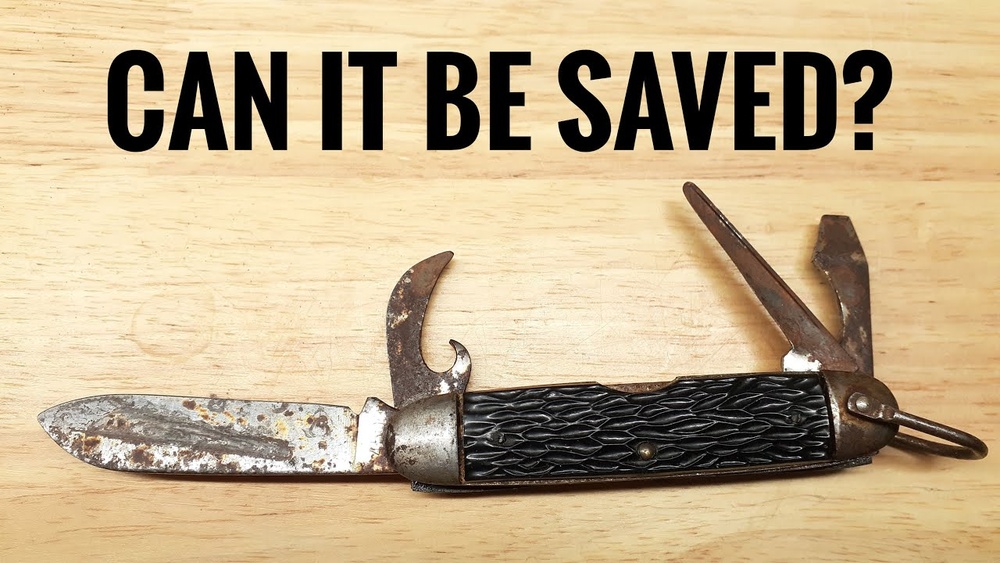
If you enjoy cooking or collect knives, you know the frustration of seeing rust spots on your favorite blades. Even the best stainless steel knives can develop rust if they’re not cared for properly. Rust not only looks bad, it can also weaken your knife, make cutting harder, and even affect food safety. But don’t worry: removing rust from knife blades is possible, and you don’t need expensive tools or harsh chemicals to do it.
This guide will show you how to get rust off knife blades using simple methods. You’ll learn why rust happens, how to choose the right removal technique, and how to keep your knives rust-free in the future. Whether your knife is lightly stained or covered in orange spots, you’ll find a solution here.
Let’s bring your knives back to life.
What Causes Rust On Knife Blades?
Rust forms when iron reacts with oxygen and moisture. Most knives are made from steel, which contains iron. Even “stainless” steel isn’t 100% safe from rust, especially if it stays wet or dirty.
Some common reasons why knives rust:
- Leaving knives wet: Water left on the blade after washing or cutting can start rust quickly.
- Acidic foods: Cutting tomatoes, citrus, or onions can speed up rusting if the blade isn’t cleaned soon after.
- Storing knives poorly: Knives left in humid places or without airflow are more likely to rust.
- Damaged protective coating: Scratches or chips in coated knives expose the metal below.
Pro Tip: Always dry your knives right after washing to prevent rust.
How To Choose The Right Rust Removal Method
Not all rust is the same. Some knives have light surface stains, while others may have deep rust pits. The right removal method depends on:
- Knife material: Carbon steel rusts more easily than stainless steel.
- Rust severity: Light spots need gentle cleaning; heavy rust might need stronger action.
- Knife value: Expensive or rare knives require gentle, non-scratching techniques.
Here’s a quick comparison of common rust removal methods:
| Method | Best for | Risks | Time Needed |
|---|---|---|---|
| Lemon & baking soda | Light stains | Low | 10, 20 min |
| Vinegar soak | Moderate rust | Can dull finish | 1, 3 hr |
| Rust eraser | Deep rust | Can scratch | 5, 15 min |
| Steel wool | Heavy rust | High scratch risk | 10, 30 min |
| Potato method | Gentle cleaning | Low | 1, 8 hr |
Choose the method that matches your knife’s condition and value. If you’re not sure, start with a gentle method first.
Essential Tools And Supplies For Rust Removal
You don’t need fancy products to clean your knives. Most rust removal methods use things you already have at home:
- Baking soda
- White vinegar
- Lemon juice
- Potato
- Non-scratch sponge or cloth
- Steel wool (0000 grade for finest finish)
- Rubber gloves
- Paper towels
- Mineral oil or food-safe oil (for after cleaning)
- Rust eraser (optional, for collectors or expensive knives)
Warning: Avoid strong acids or cleaners not meant for food surfaces. They can damage your knife or make it unsafe for cooking.
Step-by-step Rust Removal Methods
Let’s look at how to use each method. I’ll share practical tips and point out mistakes beginners often make.
1. Baking Soda Paste Method
This is one of the safest ways to remove light rust from knife blades.
Steps:
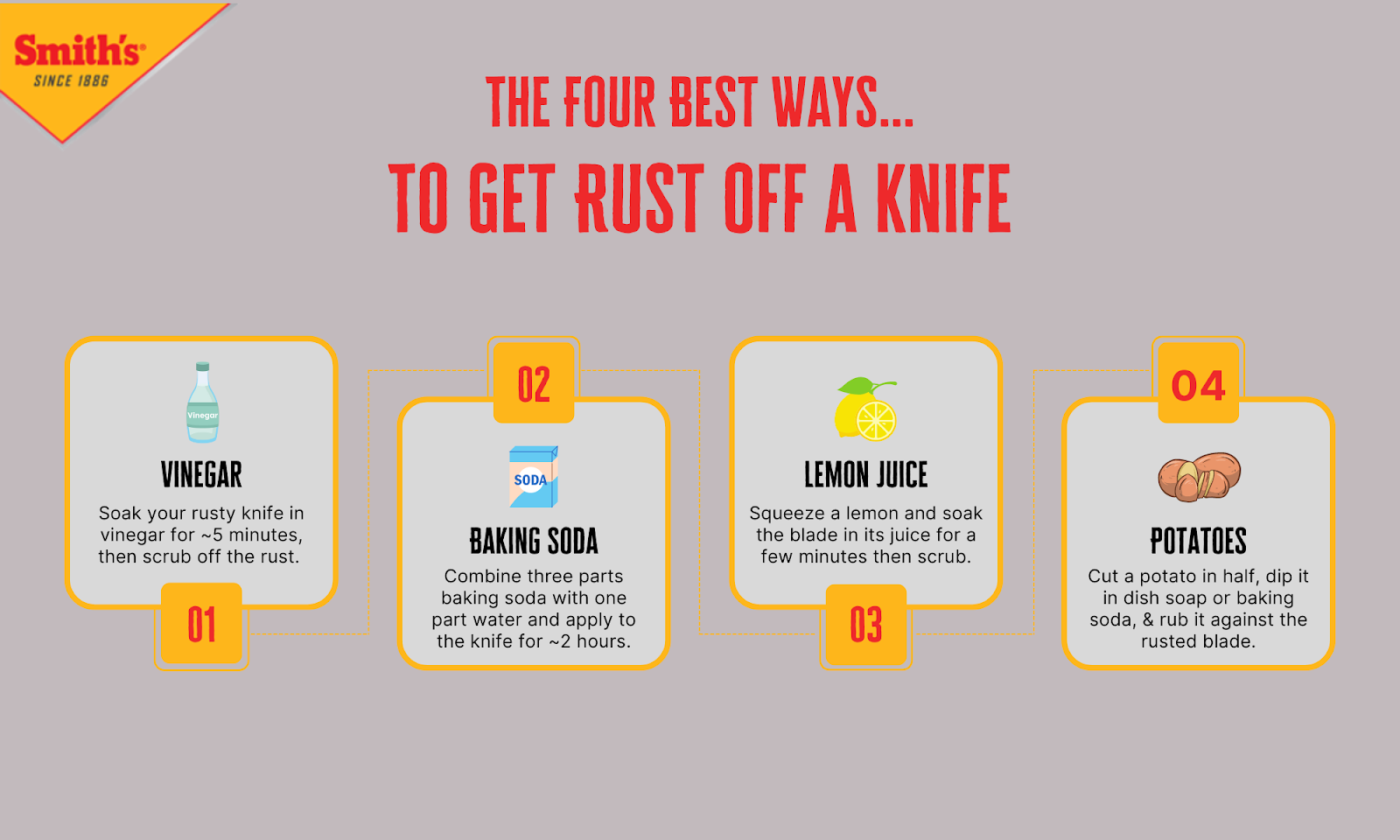
- Mix paste: Combine 2, 3 tablespoons of baking soda with a little water to make a thick paste.
- Apply: Spread the paste over the rusty spots. Make sure the blade is dry first.
- Wait: Let it sit for 10, 15 minutes.
- Scrub: Use a non-scratch sponge or old toothbrush to gently rub the rusted area.
- Rinse and dry: Wash off the paste and dry the knife completely.
- Oil: Wipe the blade with a bit of mineral oil to protect it.
Example: When I cleaned a paring knife with this method, the orange rust faded after one treatment. If rust remains, repeat or try a stronger method.
Common mistake: Don’t use a metal brush or harsh pad, or you’ll scratch the blade.
2. Lemon Juice And Salt
Lemon juice is acidic, which helps dissolve rust. Salt acts as a mild abrasive.
Steps:
- Sprinkle salt: Cover the rusty area with table salt.
- Add lemon juice: Squeeze fresh lemon juice over the salt.
- Wait: Let it work for 10, 15 minutes.
- Scrub: Rub gently with a soft cloth or sponge.
- Rinse and dry: Wash, dry, and oil the blade.
This method works well for small rust spots and keeps your knife’s finish looking good.
Pro Tip: Use gloves to avoid skin irritation from lemon juice.
3. White Vinegar Soak
Vinegar is a strong acid that can remove deeper rust. It’s best for stainless steel knives, not high-carbon or Damascus blades (which can discolor).
Steps:
- Soak: Place the blade (not the handle) in a glass of white vinegar. Leave for 1, 3 hours.
- Check progress: If rust loosens, remove the knife.
- Scrub: Use a soft sponge to wipe away rust.
- Rinse and dry: Wash with soap and dry.
- Oil: Apply mineral oil.
Warning: Don’t soak for too long, vinegar can dull or etch the blade.
4. Potato Method
A potato contains oxalic acid, which can dissolve rust gently. This method is safe for valuable knives.
Steps:
- Insert blade: Push the rusty part of the blade into a raw potato.
- Wait: Let it sit for 1, 8 hours.
- Remove and scrub: Take out the knife and wipe away rust with a cloth.
- Wash and dry: Clean and oil the knife.
Example: This method is slow but ideal for collectors worried about scratches.
5. Rust Eraser
A rust eraser is a special cleaning block made for knife care. It removes rust without harsh scratches.
Steps:
- Wet the eraser: Dampen the block with water.
- Rub gently: Move the eraser along the blade, following the grain.
- Check progress: Stop when rust is gone.
- Clean and oil: Wipe the blade and oil it.
These erasers are sold at knife shops and online. They’re popular with chefs and collectors.
6. Steel Wool Or Fine Sandpaper
If your blade is covered in heavy rust, try 0000-grade steel wool or very fine sandpaper (1000 grit or higher).
Steps:
- Wear gloves: Protect your hands.
- Rub lightly: Move steel wool along the blade, not across it. Focus on rust spots.
- Clean and oil: Wipe, wash, and oil the blade.
Warning: This method can scratch and dull the finish. Use only on cheap or working knives, not collectibles.
7. Commercial Rust Removers
Products like Bar Keepers Friend or Flitz Metal Polish remove rust quickly. Always check if they’re food-safe.
Steps:
- Read directions: Follow the product label.
- Apply: Use a small amount on the rusty spot.
- Scrub: Rub with a soft cloth.
- Wash and oil: Clean the blade thoroughly after.
Pro Tip: Test on a small area first to avoid damage.

Credit: dauntlessmanufacturing.com
Comparing Rust Removal Methods
To help you pick the right method, here’s a quick side-by-side view:
| Method | Strength | Blade Safety | Food-Safe? | Best for |
|---|---|---|---|---|
| Baking soda | Gentle | Very safe | Yes | Light rust |
| Lemon & salt | Moderate | Safe | Yes | Light rust |
| Vinegar | Strong | May dull finish | Yes | Moderate rust |
| Potato | Gentle | Very safe | Yes | Valuable knives |
| Rust eraser | Strong | Safe if used gently | Yes | Deep rust |
| Steel wool | Very strong | Can scratch | Yes | Heavy rust |
| Commercial remover | Very strong | Read label | Some, not all | Heavy rust |
If you care about the blade’s look, start with gentle methods before trying stronger ones.
How To Prevent Rust On Knife Blades
Once your knife is rust-free, keeping it that way is easy if you follow a few simple habits.
Dry Knives Immediately After Washing
Never let knives air-dry. Wipe them right away with a clean towel. Water left on the blade is the main cause of rust.
Store Knives Properly
Choose a dry, well-ventilated place for your knives. Good options:
- Magnetic knife strip (keeps air flowing)
- Knife block with open slots
- Drawer insert lined with soft material
Warning: Don’t store knives in leather sheaths for long periods. Leather holds moisture.
Oil The Blade
After cleaning, wipe your knife with a thin layer of food-safe mineral oil. This protects the metal from moisture. For carbon steel knives, this step is especially important.
Use The Right Knife For The Job
Don’t cut acidic foods (like lemons or tomatoes) with carbon steel knives unless you can wash them immediately. Acid speeds up rust.
Clean Knives After Each Use
Even a bit of juice or food left on the blade can lead to rust. Clean knives soon after use, especially after cutting salty or acidic foods.
Pro Tip: Every few weeks, check your knives for early rust spots. Treat them quickly to avoid bigger problems.
Credit: smithsproducts.com
When To Seek Professional Help
Sometimes, rust can be too deep or the knife too valuable to risk home cleaning. You should consider a professional if:
- The blade has deep pitting or holes.
- It’s a collectible or antique knife.
- The rust covers a large area and you’re unsure about cleaning.
Professional sharpening services can restore many knives safely. They use special tools and know how to protect rare or expensive blades.
Myths And Mistakes About Knife Rust
Many people believe stainless steel can’t rust. That’s not true, “stainless” means it resists rust, but doesn’t prevent it completely. Leaving a stainless knife wet will still cause rust over time.
Another common myth: using WD-40 or automotive oils to clean knives. These products are not food-safe and should never be used on blades that touch food.
Example: I once saw a friend use a kitchen knife to open a paint can, then put it away dirty. Not only did the blade rust, but the edge was damaged beyond repair. Always use knives only for their intended purpose and keep them clean.

Credit: smithsproducts.com
The Science Behind Rust
Rust is iron oxide, created when iron, water, and oxygen combine. The process is called oxidation. Certain things make rust happen faster:
- Salt: Speeds up oxidation. That’s why knives used for seafood or near the ocean rust more easily.
- Acid: Acidic foods or drinks break down steel’s protective layer.
- Heat: High temperatures (like in a dishwasher) can remove protective coatings and cause rust.
Understanding these factors helps you prevent rust by controlling moisture, salt, and acid around your knives.
Knife Materials And Rust Resistance
Not all knives are created equal. Some metals resist rust better than others.
| Blade Material | Rust Resistance | Care Needed | Notes |
|---|---|---|---|
| Stainless steel | High | Low to moderate | Common in kitchen knives |
| High-carbon steel | Low | High | Sharp but rusts easily |
| Damascus steel | Moderate | Moderate | Needs gentle care |
| Ceramic | Very high | Very low | Doesn’t rust, but brittle |