Choosing between Miyabi Birchwood and artisan knives often comes down to a preference for refined factory precision versus unique, handcrafted character in your kitchen tools.
Embarking on the journey to find the perfect kitchen knife is a path many culinary enthusiasts and professional chefs tread with great care. As someone who has spent countless hours behind the cutting board, testing an array of blades, I understand the nuanced decision-making involved. The debate between a meticulously engineered series like Miyabi Birchwood and the diverse world of artisan knives is a fascinating one, highlighting different philosophies in knife crafting. Let's delve deep into what sets these two distinct categories apart, helping you make an informed choice that truly enhances your cooking experience.

Miyabi Birchwood: Precision Meets Japanese Tradition
Miyabi Birchwood knives represent a pinnacle of Zwilling J.A. Henckels' Japanese knife-making division, embodying a fusion of traditional Japanese craftsmanship with modern technology. These knives are renowned for their exceptional sharpness, beautiful aesthetics, and meticulous construction. They are, without a doubt, a statement piece in any kitchen, promising both performance and visual appeal.
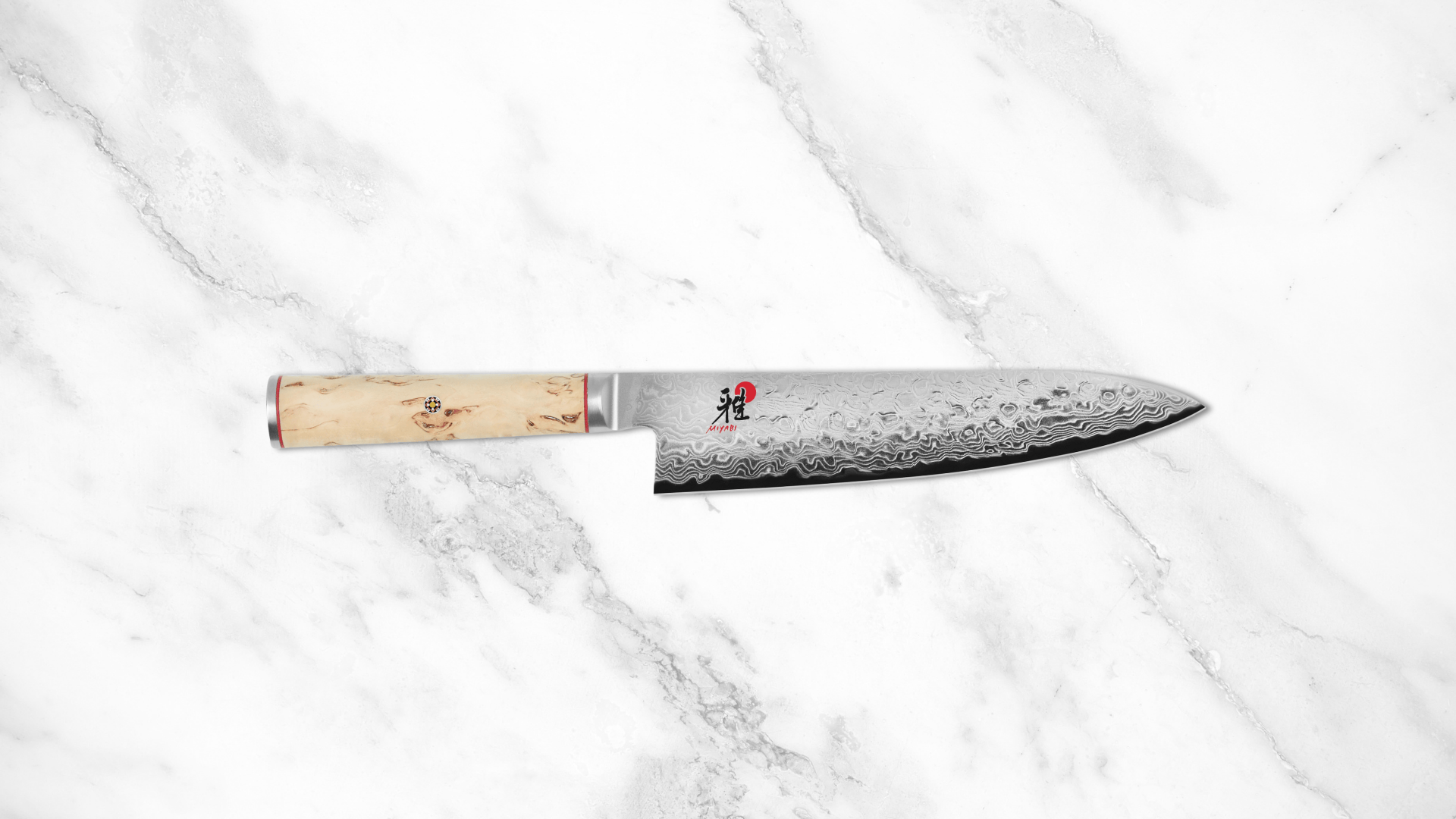
At the heart of a Miyabi Birchwood knife is its blade, crafted from SG2 (MC63) micro-carbide powder steel. This high-carbon, high-chromium steel is ice-hardened to an impressive Rockwell hardness of approximately 63. This process results in an incredibly hard blade that translates to superior edge retention, meaning your knife stays sharper for longer periods between sharpening sessions. The blade features a stunning 101-layer floral damascus pattern, which isn't just for show; it's a testament to the intricate forging process and provides a subtle, non-stick quality. The traditional three-step Honbazuke sharpening process gives each blade an incredibly sharp, katana-like edge right out of the box, typically at a 9.5 to 12-degree angle per side. From my experience, this initial sharpness is truly remarkable and makes prep work feel effortless.
The handle of a Miyabi Birchwood knife is made from beautiful Masur Birchwood, a material known for its distinctive grain patterns and warmth. The D-shaped handle is designed for comfortable use, especially for right-handed users, fitting snugly into the palm. It's adorned with a mosaic pin, red spacers, and a steel end cap, all contributing to its elegant and balanced feel. When you hold a Miyabi Birchwood, you immediately sense the careful attention to detail and the balance engineered into its design, making it a joy to wield for extended periods.
Artisan Knives: The Beauty of Handcraftsmanship
The term "artisan knife" encompasses a broad spectrum of knives that are often handcrafted or semi-handcrafted by individual makers or small workshops, distinguishing them from mass-produced blades like the Miyabi Birchwood. These knives are celebrated for their unique character, diverse materials, and the personal touch of the maker. When you opt for an artisan knife, you're not just buying a tool; you're acquiring a piece of art that carries a story and often showcases innovative designs or traditional techniques passed down through generations.
Artisan knives can feature an incredible variety of steels, from high-carbon steels like 52100 or White #2, known for their extreme sharpness and ease of sharpening, to modern super steels like AEB-L, Magnacut, or various stainless options. Makers often select steel based on specific performance goals or customer preferences, leading to a much wider array of characteristics than a single factory line. The heat treatment, which is crucial for a blade's performance, can vary significantly between makers, often reflecting the smith's secret recipes and experience. For instance, some artisan knives might prioritize toughness, while others might focus purely on edge retention, depending on their intended use or the maker's philosophy.
Handle materials on artisan knives are where creativity truly shines. While Miyabi Birchwood has its signature wood, artisan knives can feature anything from stabilized exotic woods, custom resins, carbon fiber, to natural materials like horn or bone. These handles are often shaped ergonomically to the maker's or client's specifications, providing a highly personalized feel. I've handled artisan knives where the handle felt like it was molded specifically for my hand, a level of customization that's hard to find in even premium factory knives. The aesthetics, grind, and finish also vary wildly; you might find rustic forge finishes, highly polished mirror grinds, or unique patterns that are exclusive to a particular craftsman.

Direct Comparison: Miyabi Birchwood vs. Artisan Knives
When placing Miyabi Birchwood alongside a typical artisan knife, we're essentially comparing two different philosophies of excellence. Each has its strengths and caters to different preferences and priorities in the kitchen. Understanding these distinctions is key to making the right choice for your culinary journey.
Blade Performance and Edge Retention
Miyabi Birchwood knives, with their SG2 steel and precise Honbazuke edge, offer exceptional initial sharpness and very good edge retention. The consistency of their factory grind means every knife in the series performs predictably. From my testing, they slice through ingredients with minimal effort, maintaining that razor-sharp edge through many hours of use. However, when it comes to long-term edge retention, some artisan knives featuring specific high-performance steels and meticulously executed heat treatments can surpass or match Miyabi. For example, a custom knife made with powdered metallurgy steel like R2/SG2 (with an even higher hardness) or even certain carbon steels pushed to their limits by a skilled smith might offer comparable or superior edge retention, though perhaps at the cost of being more delicate.
Aesthetics and Craftsmanship
The beauty of a Miyabi Birchwood knife lies in its refined elegance and consistent perfection. The floral damascus pattern is stunning, and the Masur Birchwood handle is consistently beautiful. It's a testament to high-level industrial design and precision manufacturing. Artisan knives, on the other hand, offer a unique, often "one-of-a-kind" aesthetic. Each piece can have slight variations, unique handle materials, and custom touches that make it truly personal. You might find a more rustic appeal, a modern minimalist design, or an elaborate decorative piece. The craftsmanship in artisan knives is often a direct reflection of the maker's individual skill and artistic vision, making them highly prized by collectors and users alike.
Ergonomics and Feel
Miyabi Birchwood knives are well-balanced and feature a comfortable, albeit standardized, D-shaped handle. They feel premium and precise in the hand. The balance point is usually around the heel of the blade, which many chefs prefer for pinch grip. With artisan knives, ergonomics can be highly variable. Some makers prioritize specific grip styles, handle thickness, or overall weight distribution. You can often find handles tailored to larger or smaller hands, or those designed for specific tasks. This level of customization can lead to an incredibly comfortable and extensions-of-your-hand feel that's hard to replicate in a mass-produced knife.
Maintenance and Durability
Both Miyabi Birchwood and many artisan knives require proper care. The SG2 steel in Miyabi Birchwood is stainless, making it relatively low-maintenance in terms of rust prevention, though hand washing and immediate drying are always recommended. Sharpening SG2 can be more challenging due to its hardness, requiring appropriate sharpening stones. Artisan knives, especially those made from high-carbon steels, will require more diligent care to prevent rust and patina formation, though many users appreciate the character a patina develops over time. Sharpening can vary widely depending on the steel and grind chosen by the artisan.

The Ideal User for Each
Understanding the core characteristics helps us define who might best benefit from a Miyabi Birchwood versus an artisan knife. It's not about one being inherently "better," but rather which knife aligns better with your personal preferences and cooking style.
Who is Miyabi Birchwood For?
Miyabi Birchwood knives are perfect for the home cook or professional chef who values consistent, high-performance precision with a touch of elegance. If you appreciate a knife with a razor-sharp edge right out of the box, excellent edge retention, and a beautiful, refined aesthetic that's backed by a reputable brand, then Miyabi Birchwood is an outstanding choice. It's an investment in a reliable, stunning tool that will perform consistently every time you pick it up. Many chefs I know gravitate towards Miyabi for their reliability and ease of integration into a professional kitchen setting, knowing they'll get top-tier performance without the need for extensive research into individual makers.
Who are Artisan Knives For?
Artisan knives appeal to those who seek uniqueness, a personal connection to their tools, and often, specific performance characteristics not found in mass production. If you enjoy the story behind an object, appreciate varied aesthetics, and perhaps want a knife tailored to a very specific feel or task, an artisan knife might be your ideal companion. They are often favored by enthusiasts who enjoy exploring different steels, grinds, and handle materials, and who don't mind the potentially higher maintenance of certain custom steels. The journey of finding the right artisan knife can be as rewarding as using it.

Practical Considerations and My Take
Having worked with both types of knives extensively, I've developed a deep appreciation for what each brings to the table. The decision often boils down to what you prioritize in your kitchen tools: reliable factory precision or unique handcrafted character.
When I first started using a Miyabi Birchwood, I was immediately struck by its effortless cutting ability and the sheer beauty of the damascus pattern. It consistently performs, holding its edge wonderfully, and has become a go-to for tasks where I need absolute precision and consistency. It’s the kind of knife you can recommend with confidence, knowing it will deliver on its promises. The Miyabi Birchwood is a workhorse wrapped in luxury, making intricate tasks feel simple.
On the flip side, my artisan knives often tell a more personal story. I remember one specific carbon steel gyuto, handcrafted by a small maker, which took a ridiculous edge and sliced through onions like they were butter. It developed a beautiful blue-grey patina over time, a visual diary of every meal it helped create. While it required more careful drying and occasional oiling, the connection to that knife, knowing it was made by hand, was deeply satisfying. The sheer variety in artisan knives also allows for experimentation – trying different steel types, blade geometries, and handle shapes that you simply won't find in a standardized line. This exploration is part of the fun.
Ultimately, the choice between Miyabi Birchwood and an artisan knife often reflects your culinary personality. Do you prefer the predictable perfection of a meticulously engineered instrument, or the unique charm and bespoke feel of something crafted by an individual? Both offer exceptional cutting experiences, but they arrive at that experience from different paths.

Frequently Asked Questions about Miyabi Birchwood vs Artisan Knives
What is the main difference in steel between Miyabi Birchwood and artisan knives?
Miyabi Birchwood specifically uses SG2 micro-carbide powder steel, known for its hardness and edge retention. Artisan knives can use a much broader range of steels, from traditional high-carbon to modern super steels, chosen by the maker for specific properties.
Are artisan knives typically more expensive than Miyabi Birchwood?
The price of artisan knives can vary wildly, from comparable to significantly more expensive than Miyabi Birchwood, depending on the maker's reputation, materials used, and complexity of the design. Miyabi Birchwood holds a consistent premium price point.
Which type of knife is easier to maintain?
Miyabi Birchwood, being made from stainless SG2 steel, is generally easier to maintain in terms of rust prevention compared to many high-carbon artisan knives. However, both require proper hand washing and immediate drying.
Do Miyabi Birchwood knives offer the same level of uniqueness as artisan knives?
No, Miyabi Birchwood knives are part of a production series, offering consistent design and performance across units. Artisan knives, by definition, are often unique or produced in very limited runs, with individual variations in aesthetics and feel.
Can an artisan knife outperform a Miyabi Birchwood in sharpness or edge retention?
Yes, a skilled artisan using top-tier steel and an optimized heat treatment can produce a knife that matches or even surpasses a Miyabi Birchwood in initial sharpness and edge retention, though consistency can vary more between individual artisan pieces.
Conclusion
Deciding between Miyabi Birchwood and an artisan knife is a delightful dilemma for any knife enthusiast. The Miyabi Birchwood offers an undeniable package of consistent, top-tier performance, stunning aesthetics, and the reliability of a renowned brand, making it a stellar choice for those who value precision and elegance. Artisan knives, conversely, open up a world of unique character, personalized feel, and the artistry of individual craftsmanship, appealing to those who cherish distinctiveness and a direct connection to their tools. Consider what truly resonates with your cooking style and aesthetic preferences. Whichever path you choose, investing in a high-quality knife, be it a refined Miyabi Birchwood or a bespoke artisan creation, will undoubtedly elevate your culinary journey. Explore both options, perhaps even try them in person if you can, to discover which blade truly sings in your hand.