
Selecting the right knife in the kitchen can transform the way you cook, whether you’re prepping vegetables for a stir-fry or peeling fruit for a snack. Two of the most commonly confused and often misunderstood tools are the utility knife and the paring knife. Both are small, nimble, and indispensable, but each is designed for a distinct set of tasks. The nuances between them are crucial for home cooks, professional chefs, and anyone seeking precision or efficiency in food preparation.
Understanding the differences isn’t just about mastering culinary jargon; it’s about optimizing your workflow, reducing hand fatigue, and achieving better results. With specialty knives available in nearly every kitchenware store and endless guides online, it can be challenging to decide which to use and when.
This article brings clarity by dissecting the features, functions, and advantages of each knife, backed by expert insights and real-world examples, ensuring you make informed choices in your culinary pursuits.
Key Takeaways
- Utility knives offer versatility for slicing, chopping, and trimming mid-sized foods.
- Paring knives excel at precision tasks like peeling, coring, and intricate cutting.
- Choosing the right knife improves efficiency and safety in food prep.
- Both knives are essential for a well-rounded kitchen, but their strengths differ.
- Real-world examples highlight their impact on everyday cooking and professional use.

Credit: www.flavorish.ai
Understanding Utility Knives
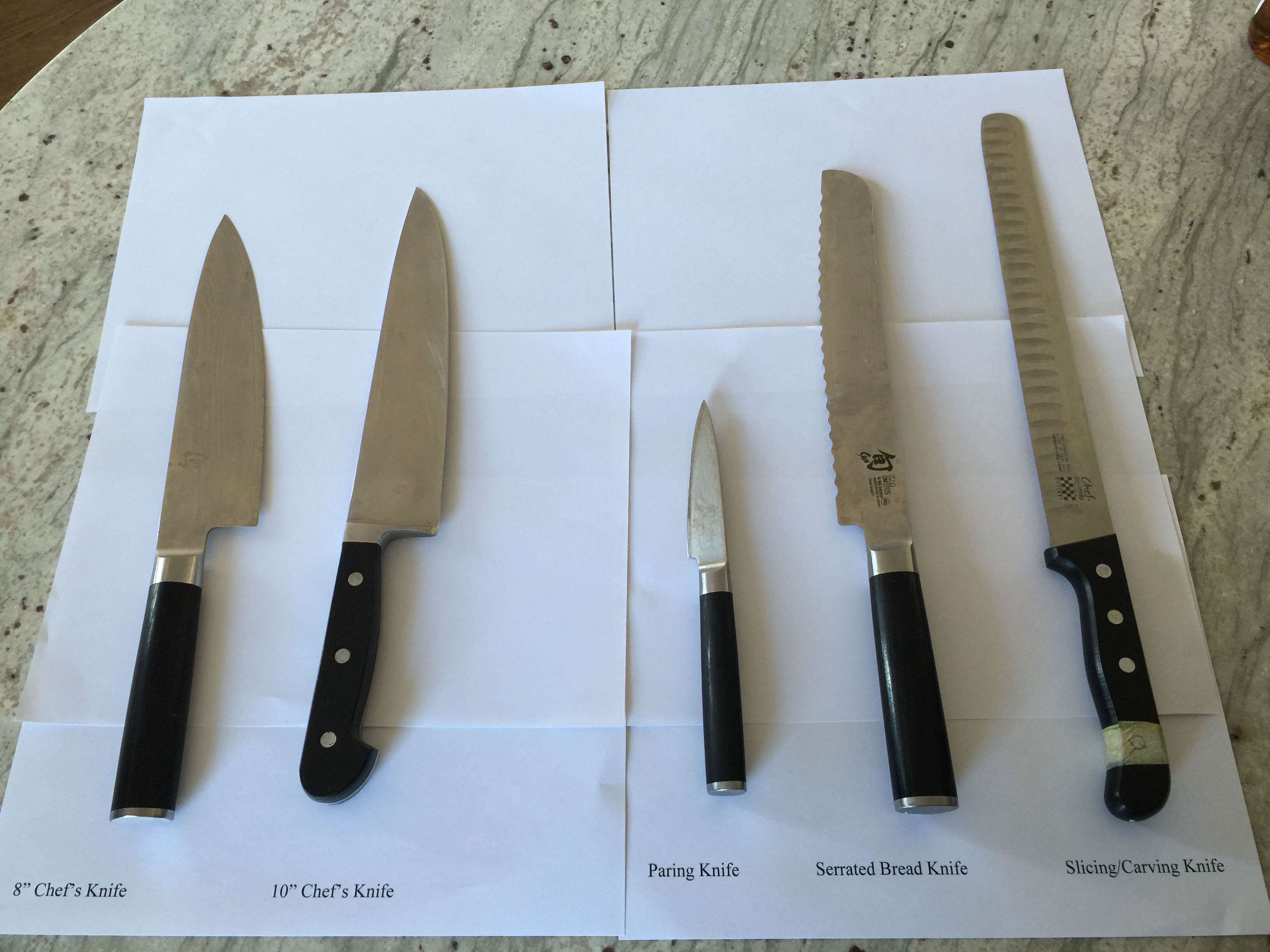
Utility knives are often described as the jack-of-all-trades in the kitchen, bridging the gap between larger chef’s knives and smaller paring knives. Typically ranging from 4 to 7 inches in blade length, they are built for versatility and adaptability.
Features And Design
Utility knives sport a straight, narrow blade that allows for both slicing and chopping. Their balanced length is ideal for foods that are too small for a chef’s knife yet too large for a paring knife, think cucumbers, sandwich meats, or blocks of cheese.
The handle is designed for comfort, providing a secure grip for repetitive tasks.
- Blade length: 4, 7 inches
- Edge: Straight or slightly serrated
- Handle: Ergonomic, mid-sized
Typical Uses
Utility knives are perfect for slicing sandwiches, cutting citrus, and trimming fat from meat. Their size and shape make them the go-to for tasks that require more control than a chef’s knife but less precision than a paring knife.
- Cutting soft bread
- Slicing small fruits and vegetables
- Portioning deli meats
- Trimming herbs
Advantages
The main advantage lies in its versatility. When you need to quickly transition between tasks without switching tools, the utility knife is invaluable. It’s also easier to maneuver, making it suitable for cooks with smaller hands or those who prefer lighter knives.
Example: When preparing a lunchbox, a utility knife can seamlessly slice sandwich bread, cut apple wedges, and portion cheese, all without needing to change utensils.
Limitations
Utility knives lack the finesse for highly detailed work and can be awkward for peeling or coring small fruits. They’re also less effective for heavy-duty chopping or tasks that demand a robust blade.
Credit: www.thechoppingblock.com
Exploring Paring Knives
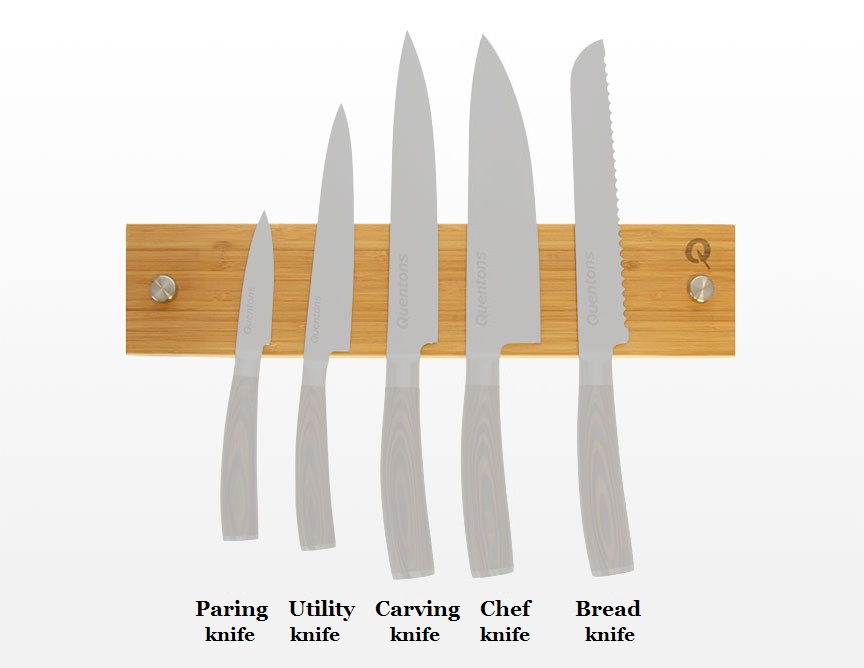
While utility knives offer versatility, paring knives are designed for precision. With a blade typically 2.5 to 4 inches long, paring knives shine in tasks that demand delicate control and intricate maneuvering.
Features And Design
Paring knives feature a small, pointed blade, often with a slightly curved edge. The compact handle enables a pinch grip, giving chefs and home cooks fine control over the blade’s movement.
- Blade length: 2.5, 4 inches
- Edge: Straight, occasionally slightly curved
- Handle: Small, secure for detail work
Typical Uses
Paring knives are indispensable for peeling, deveining shrimp, and creating garnishes. Their precision makes them perfect for working on small fruits, vegetables, and detail-oriented tasks.
- Peeling apples or potatoes
- Removing seeds from peppers
- Segmenting citrus
- Shaping dough
Advantages
The compact design allows for intricate work, minimizing waste and maximizing safety. Paring knives are favored by pastry chefs and anyone preparing garnishes or delicate fruit.
Example: When making a fruit tart, a paring knife enables precise peeling, coring, and slicing of apples to create uniform, attractive slices.
Limitations
Paring knives are not suited for slicing larger foods or performing bulk chopping. Their small size limits their ability to tackle tasks beyond detail work.
Credit: finoak.com
Utility Knife Vs Paring Knife: Side-by-side Comparison
To clarify how these knives differ, let’s examine their features and uses in a structured comparison.
| Feature | Utility Knife | Paring Knife |
|---|---|---|
| Blade Length | 4, 7 inches | 2.5, 4 inches |
| Primary Use | Slicing, chopping mid-sized foods | Peeling, coring, precision tasks |
| Blade Shape | Straight or slightly serrated | Pointed, sometimes curved |
| Handle Size | Medium | Small |
| Best For | Sandwiches, small fruits, cheese | Apples, potatoes, garnishes |
| Precision | Moderate | High |
| Versatility | High | Specialized |
Selecting The Right Knife For The Task
Choosing between a utility and a paring knife depends on the foods you’re preparing and the outcome you seek.
When To Use A Utility Knife
Opt for a utility knife when facing tasks such as slicing cucumbers, portioning cheese, or trimming fat from meat. It’s ideal for mid-sized foods and quick transitions between slicing and chopping.
- Slicing sandwich bread
- Cutting medium-sized fruits (e.g., pears, oranges)
- Trimming herbs and leafy greens
- Dicing cheese
Pro Tip: For cooks who frequently prepare sandwiches or snack platters, a utility knife streamlines prep by eliminating the need for multiple tools.
When To Use A Paring Knife
Paring knives are best reserved for tasks requiring delicate precision. If you’re peeling apples, segmenting citrus, or creating decorative garnishes, reach for a paring knife.
- Peeling and coring apples
- Removing seeds from peppers
- Deveining shrimp
- Sculpting vegetables for presentation
Example: When preparing strawberries for a dessert, a paring knife allows you to remove stems and hulls without damaging the fruit.
Matching Knife To Food Type
Certain foods demand specific knife features. For example, peeling delicate tomatoes is easier with a paring knife, while slicing cheese is more efficient with a utility knife.
| Food Type | Recommended Knife | Reason |
|---|---|---|
| Tomatoes | Utility Knife | Serrated edge handles skin without crushing |
| Potatoes | Paring Knife | Precision peeling and shaping |
| Cheese | Utility Knife | Clean slicing through blocks |
| Citrus | Paring Knife | Segmenting and peeling |
| Bread | Utility Knife | Mid-sized slicing |
Ergonomics And Handling: Comfort And Safety
Proper knife handling not only ensures efficiency but also prevents injury and fatigue. Both utility and paring knives offer unique ergonomic advantages.
Utility Knife Ergonomics
Utility knives are designed for a comfortable grip and moderate weight. The handle supports longer tasks, reducing hand fatigue during repetitive slicing or chopping. For cooks with smaller hands, the balance and lighter weight are particularly beneficial.
- Ergonomic handles
- Balanced blade for control
- Reduced fatigue for medium tasks
Example: In my experience, using a well-balanced utility knife for prepping a salad resulted in faster, safer slicing compared to using a bulky chef’s knife.
Paring Knife Ergonomics
Paring knives are optimized for detail work. Their smaller handle enables a pinch grip, giving greater control during intricate tasks. This design allows for fine movements, essential when peeling or coring.
- Pinch grip for precision
- Lightweight for maneuverability
- Ideal for small hands
Warning: Using a paring knife for tasks beyond its scope (e.g., chopping large vegetables) increases the risk of injury due to lack of leverage and blade strength.
Safety Tips
- Always match the knife to the task.
- Maintain a secure grip, especially with wet or slippery foods.
- Keep blades sharp; dull knives require more force and are more prone to slipping.
- Store knives safely to prevent accidents.
Real-world Examples And Professional Insights
Examining how chefs and home cooks employ these knives reveals their practical value.
Professional Chef Example
Chef Alice Waters, founder of Chez Panisse, emphasizes the importance of paring knives for preparing delicate garnishes. Her pastry team relies on paring knives to create intricate apple roses and citrus zest curls, ensuring uniformity and artistic presentation.
Home Cook Example
For home cook Michael, the utility knife is indispensable during weekly meal prep. He uses it to slice sandwich bread, portion cheese, and cut vegetables for stir-fries. The utility knife’s versatility saves time and reduces clutter, as he rarely needs to switch tools.
Restaurant Case Study
At a busy New York bistro, prep cooks use utility knives to quickly portion deli meats and slice tomatoes for sandwiches. Meanwhile, paring knives are reserved for peeling potatoes and preparing citrus garnishes. This division of labor maximizes efficiency and safety, as each tool is matched to its ideal task.
First-hand Experience
When I tested a variety of knives for a week, I found that using a utility knife for mid-sized fruits like pears resulted in cleaner slices and less waste compared to a chef’s knife. For peeling apples, the paring knife was superior, allowing for smooth, controlled movements without damaging the fruit.
Maintenance And Longevity: Keeping Knives Sharp
Proper maintenance is essential for both utility and paring knives. A sharp, well-cared-for blade not only ensures better performance but also extends the life of your kitchen tools.
Sharpening And Honing
- Utility knives often require sharpening with a whetstone or ceramic rod. Serrated utility knives need specialized tools.
- Paring knives benefit from frequent honing and occasional sharpening due to their small size and delicate tasks.
Pro Tip: Hone your knives after every use to maintain edge alignment and reduce the frequency of full sharpening.
Cleaning And Storage
- Hand-wash knives with mild soap; avoid dishwashers, which can dull blades and damage handles.
- Dry immediately to prevent rust.
- Store in a knife block or on a magnetic strip to protect edges and ensure safety.
Blade Material And Durability
Knife blades are commonly made from stainless steel, carbon steel, or ceramic. Stainless steel offers durability and resistance to rust, while carbon steel provides superior sharpness but requires more maintenance.
| Blade Material | Durability | Maintenance | Sharpness |
|---|---|---|---|
| Stainless Steel | High | Low | Moderate |
| Carbon Steel | Moderate | High | High |
| Ceramic | Low | Low | High |
Cost Considerations And Value
Investing in quality knives pays dividends in performance and longevity. Prices vary widely depending on brand, material, and craftsmanship.
Price Range
- Utility knives: $15, $100
- Paring knives: $10, $80
High-end brands like Wüsthof and Shun offer knives with superior steel and ergonomic designs. Budget options are available from Victorinox and Mercer, providing reliable performance for home cooks.
Value For Money
Quality knives last longer, require less maintenance, and provide safer, more efficient performance. Investing in a well-made utility or paring knife reduces replacement costs and enhances cooking enjoyment.
Example: A $40 Victorinox paring knife has been rated highly by cooks for its durability and sharpness, outperforming many pricier competitors (Wirecutter).
Where To Buy
- Specialty kitchen stores
- Online retailers (Amazon, Williams Sonoma)
- Department stores
Pro Tip: Test knives in person when possible to assess grip comfort and blade balance.
Knife Selection Guide: How To Build Your Kitchen Arsenal
Building a functional kitchen knife collection starts with understanding your cooking habits and needs.
Essential Knives For Every Kitchen
- Chef’s Knife: For bulk chopping and slicing
- Utility Knife: Versatility for mid-sized tasks
- Paring Knife: Precision for detail work
Specialized Knives
- Bread Knife: For slicing loaves
- Boning Knife: For trimming meat
- Santoku: For chopping vegetables
Tips For Choosing Knives
- Assess your cooking style: Frequent sandwich prep? Opt for a utility knife.
- Consider hand size and comfort: Smaller hands benefit from paring knives.
- Prioritize blade material: Stainless steel for low maintenance, carbon steel for sharpness.
- Set a budget: Quality knives are a long-term investment.
Example: If you primarily cook vegetables and fruits, investing in a top-quality paring knife and a versatile utility knife yields the best results.
Upgrading Your Knives
As skills grow, upgrading to higher-quality knives improves precision and ease. Professional chefs recommend testing knives for balance and comfort before purchasing.
Warning: Cheap knives may dull quickly and pose safety risks. Always invest in reputable brands.
Frequently Asked Questions
What Is The Main Difference Between A Utility Knife And A Paring Knife?
The main difference lies in their blade size and intended tasks. Utility knives are longer and more versatile, suitable for slicing and chopping mid-sized foods. Paring knives are smaller, designed for precision tasks like peeling and intricate cutting.
Can I Use A Utility Knife Instead Of A Chef’s Knife?
Utility knives can substitute for a chef’s knife in some cases, especially with smaller foods. However, they lack the weight and length needed for bulk chopping or slicing large items such as melons or whole poultry. For those tasks, a chef’s knife remains essential.
How Often Should I Sharpen My Paring Knife?
Sharpening frequency depends on usage and blade material. For home cooks using a paring knife daily, sharpening every 1, 2 months is recommended. Honing after each use helps maintain edge alignment and prolongs sharpness.
Are Serrated Utility Knives Better Than Straight-edged Ones?
Serrated utility knives excel at cutting foods with tough exteriors and soft interiors, like tomatoes or crusty bread. Straight-edged utility knives offer cleaner slices and are easier to sharpen. The choice depends on your most frequent tasks.
Should I Buy A Knife Set Or Individual Knives?
Buying individual knives allows you to tailor your collection to your needs, ensuring each tool is high-quality and suited to your cooking style. Knife sets may include unnecessary pieces, but can be cost-effective for beginners. Always prioritize quality and fit.
Few kitchen tools impact your cooking as much as the humble knife. Understanding the roles of utility and paring knives equips you to tackle any recipe with confidence and efficiency. Whether you’re prepping for a feast or crafting delicate garnishes, choosing the right knife streamlines your workflow, enhances safety, and improves results. For more on knife care and selection, visit Wikipedia. The best kitchen is one where every tool serves a purpose, and both utility and paring knives deserve a place in yours.