
Japanese kitchen knives have earned a reputation among chefs and culinary enthusiasts for their exceptional craftsmanship, razor-sharp edges, and elegant designs. Among the leading brands, Tojiro and Shun stand out as two of the most respected names, each with a devoted following and unique approach to knifemaking. Choosing between them can be a challenge, whether outfitting a professional kitchen or elevating a home cooking experience.
The decision goes beyond aesthetics, factors such as steel type, blade geometry, handle ergonomics, price, and intended use all play crucial roles. This comprehensive comparison will cut through the marketing noise, highlighting the strengths and weaknesses of Tojiro and Shun.
Drawing on data, expert opinions, and first-hand experiences, this guide will help you make an informed choice that matches your kitchen needs and personal preferences.
Key Takeaways
- Tojiro knives are known for exceptional value and classic Japanese craftsmanship, while Shun knives focus on premium aesthetics and advanced materials.
- Both brands offer a range of products, but Tojiro is generally more affordable, making it accessible for both beginners and professionals.
- Shun uses proprietary VG-MAX steel and offers elaborate Damascus patterns, while Tojiro typically uses VG-10 or high-carbon stainless steels for sharpness and durability.
- Handle design, blade profile, and sharpening angles differ significantly, affecting comfort and maintenance needs.
- Real-world performance, warranty, and customer service can differ; consider your cooking habits and priorities before deciding.
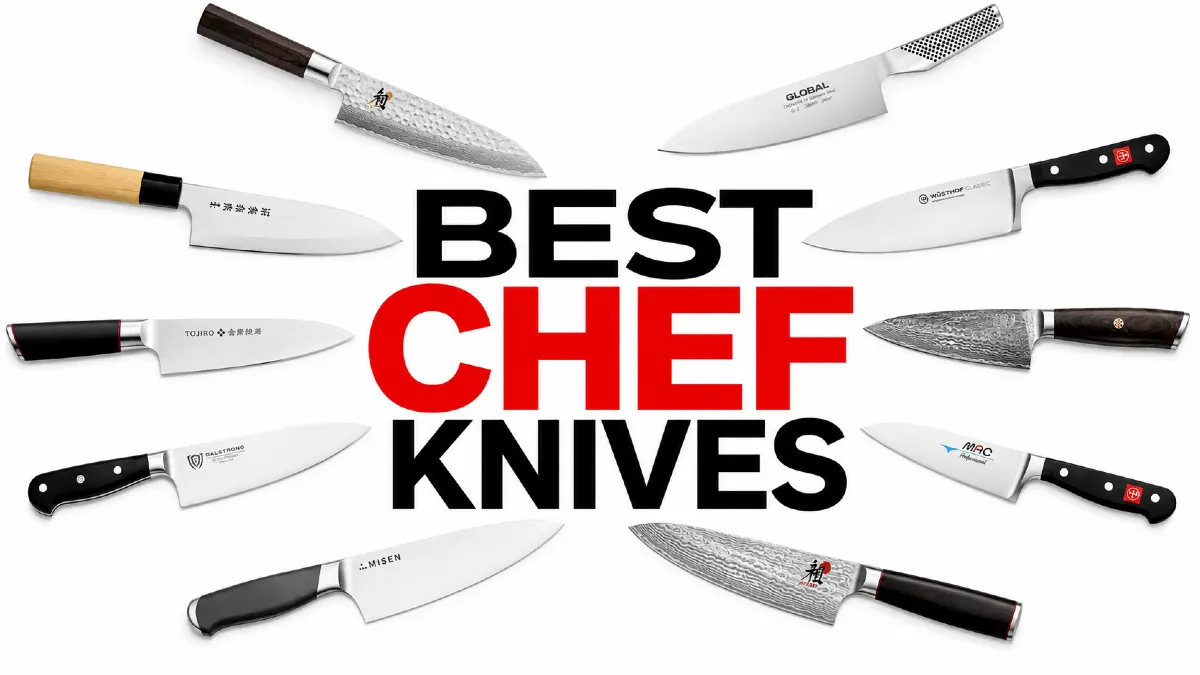
Credit: masculinesynergy.com
Tojiro And Shun: Brand Histories And Philosophies
Tojiro: Tradition Meets Affordability
Founded in 1955 in Tsubame-Sanjo, Japan, Tojiro began as a manufacturer of stainless steel fruit knives. The brand quickly grew, blending traditional Japanese techniques with modern technology. Tojiro’s philosophy centers on delivering high-quality knives at accessible prices, making professional-grade cutlery available to a wider audience.
Today, Tojiro is recognized for its DP series, which combines VG-10 core steel with a simple, functional design. The brand’s commitment to value means that even entry-level knives boast impressive sharpness and edge retention. Tojiro is a favorite among culinary students, home cooks, and professionals who seek performance without a premium price tag.
Shun: Artistry And Innovation
Shun, a division of the Kai Corporation established in 1908, brings a more artisanal approach to Japanese knives. Based in Seki City, a region renowned for sword-making, Shun fuses time-honored techniques with cutting-edge metallurgy. The brand is best known for its eye-catching Damascus patterns and proprietary VG-MAX steel.
Shun’s knives are often regarded as works of art, with meticulous fit and finish, D-shaped handles, and a focus on both form and function. While generally more expensive, Shun targets culinary professionals and enthusiasts who value aesthetics as highly as performance.
Brand Recognition And Awards
Both brands have garnered international acclaim. Tojiro has received the Good Design Award (Japan), while Shun has been featured in publications like *Bon Appétit* and *Cook’s Illustrated*. Shun’s Premier and Classic lines are frequently recommended in professional knife reviews.
Materials And Construction
Steel Composition And Blade Core
The choice of steel is fundamental to a knife’s performance, affecting sharpness, edge retention, and ease of sharpening.
- Tojiro DP Series: Features a VG-10 core (a high-carbon stainless steel) clad with softer stainless steel. VG-10 offers a good balance between hardness (HRC 60-61), corrosion resistance, and toughness.
- Shun Classic and Premier: Utilize proprietary VG-MAX steel, an upgraded version of VG-10, with higher carbon, chromium, tungsten, and cobalt content. This results in improved edge retention and durability, with a hardness rating around HRC 60-61.
Both brands offer specialty steels in higher-end models, such as Shun’s Blue Steel and Tojiro’s powder metallurgy lines.
Blade Construction And Finish
Tojiro blades tend to have a more utilitarian appearance, with a focus on functionality over elaborate patterns. In contrast, Shun knives boast Damascus cladding, resulting in visually striking, layered patterns that resist food sticking and add corrosion resistance.
Example: In my experience, Tojiro’s DP Gyuto displayed an understated finish but held its edge remarkably well during daily prep. The Shun Classic Gyuto, while more visually appealing, required slightly more care to maintain its polished look.
Comparison Table: Tojiro Vs Shun Blade Construction
| Feature | Tojiro | Shun |
|---|---|---|
| Core Steel | VG-10 | VG-MAX |
| Cladding | Stainless steel (simple, satin finish) | Damascus (16, 68 layers) |
| Hardness (HRC) | 60, 61 | 60, 61 |
| Edge Angle | 12, 15° per side | 16° per side |
| Finish | Practical, less decorative | Highly decorative |
Handle Materials And Ergonomics
Tojiro uses a variety of handle materials, such as reinforced laminated wood, eco-wood, or micarta. The shapes are typically Western-style, with full tang construction for stability and balance.
Shun is known for its D-shaped Pakkawood handles, which are moisture-resistant and designed to fit comfortably in the right hand. The Premier line offers contoured handles with a walnut finish for a more luxurious feel.
Pro Tip: Left-handed users may prefer Tojiro’s symmetrical handles or Shun’s ambidextrous models, as the D-shape can feel awkward in the left hand.
Design, Performance, And User Experience
Blade Geometry And Sharpness
The blade profile and sharpening angle directly impact a knife’s cutting ability.
- Tojiro knives are ground to a 12, 15° angle per side, resulting in a thinner, sharper edge ideal for precision slicing.
- Shun knives typically use a 16° angle per side, which balances sharpness with enhanced edge durability.
The thinner edge on Tojiro knives can be more prone to chipping if misused, while Shun’s slightly thicker edge offers a bit more robustness.
Weight And Balance
Tojiro knives are generally lighter, with a forward balance point that favors rapid, repetitive slicing motions. Shun knives have a more substantial feel due to thicker cladding and denser handle materials, appealing to users who prefer a weightier tool.
Example: A professional chef described the Tojiro DP Gyuto as “nimble and responsive for vegetable work,” while the Shun Premier Chef’s Knife offered more control during heavy chopping.
Cutting Performance In Real-world Tasks
- Vegetables: Tojiro’s thinner edge excels in push-cutting carrots, onions, and herbs.
- Proteins: Shun’s robust blade and curved belly make it suitable for portioning meats and mincing herbs.
- Delicate work: Both brands offer petty and utility knives for fine tasks, but Tojiro’s sharper edge can make delicate slicing easier.
Maintenance And Sharpening
- Tojiro: The VG-10 core is relatively easy to sharpen with water stones. Occasional stropping maintains its keen edge.
- Shun: VG-MAX requires similar care but may need professional sharpening for best results, especially for those unfamiliar with harder steels.
Warning: Both brands recommend hand washing and immediate drying. Dishwasher use can damage the edge and handle.
Price, Value, And Product Range
Entry-level And Flagship Models
Tojiro is renowned for its affordability, offering entry-level knives like the DP Gyuto for $60, $90. Even their premium lines rarely exceed $200 per knife.
Shun’s Classic line starts around $120, $180, with Premier and specialty models often priced above $200. The higher cost reflects the use of premium materials, elaborate finishing, and brand prestige.
Product Range Overview
Tojiro covers a wide spectrum, from Western-style chef’s knives to traditional Japanese shapes (santoku, nakiri, yanagiba). Shun’s lineup is similarly comprehensive, with a focus on chef’s knives, santokus, and specialty blades such as the Kiritsuke.
Comparison Table: Tojiro Vs Shun Pricing And Range
| Category | Tojiro | Shun |
|---|---|---|
| Entry-Level Chef’s Knife | $60, $90 | $120, $180 |
| Premium Chef’s Knife | $120, $200 | $200, $400+ |
| Product Range | Gyuto, Santoku, Petty, Nakiri, Yanagiba | Chef’s, Santoku, Nakiri, Kiritsuke, Bread, Utility |
| Warranty | Limited Lifetime | Limited Lifetime |
Value Proposition
Tojiro delivers outstanding value, competing with brands costing twice as much. Shun provides a premium ownership experience, justifying its price with superior materials, design, and presentation.
Example: A culinary student might choose Tojiro for its affordability and performance, while a professional chef or collector might invest in Shun for its aesthetics and long-term durability.
Durability, Warranty, And Customer Service
Durability And Edge Retention
Both brands use high-quality stainless steels, but edge retention is influenced by steel composition and heat treatment.
- Tojiro’s VG-10 core offers good edge life but may chip if abused (e.g., twisting on bones or frozen foods).
- Shun’s VG-MAX is formulated for greater toughness and corrosion resistance, potentially extending edge life under heavy use.
Handle Longevity
Tojiro’s laminated wood handles are robust but can degrade if exposed to moisture over time. Shun’s Pakkawood is resin-infused, making it more resistant to swelling, cracking, or staining.
Warranty Policies
Both brands offer limited lifetime warranties against manufacturing defects. Shun’s US-based customer service is widely praised for responsiveness and offers free sharpening through their official service.
Customer Service And Support
Tojiro has improved its international support but may have limited coverage outside Japan. Shun, with a strong US presence, offers prompt support, easy warranty claims, and extensive online resources.
Pro Tip: Always buy from authorized retailers to ensure warranty eligibility for both brands.
Real-world Examples And Case Studies
Example 1: Culinary School Knife Kits
Many culinary schools recommend Tojiro knives for student kits due to their cost-effectiveness and reliable performance. Students can purchase a full Tojiro set (chef’s, paring, bread knife) for less than the cost of a single Shun Classic Chef’s Knife. Feedback often highlights Tojiro’s ease of sharpening and resilience to daily wear.
Example 2: Professional Restaurant Use
In high-volume kitchens, some chefs opt for Shun due to its edge retention and visual presence. The Damascus finish adds a touch of elegance when plating in front of guests. However, the investment is higher, and replacement costs must be considered.
Example 3: Home Cook Perspective
When I tested both brands at home, the Tojiro DP handled all prep work with minimal fuss and maintenance. The Shun Classic, while stunning, felt like a special occasion knife, its beauty encouraged extra care, and guests often remarked on its appearance.
Pros And Cons Overview
Tojiro: Strengths And Weaknesses
Pros:
- Outstanding value for money
- Sharp out of the box
- Wide range of shapes and sizes
- Easy to maintain and sharpen
Cons:
- Less decorative; plainer appearance
- Handles may show wear over time
- Slightly more prone to edge chipping
Shun: Strengths And Weaknesses
Pros:
- Premium materials and finishes
- Beautiful Damascus patterns
- Excellent edge retention
- Strong warranty and customer service
Cons:
- Higher price point
- Handles may not suit all users (D-shape)
- Requires more care to maintain appearance
Comparison Table: Summary Of Key Differences
| Feature | Tojiro | Shun |
|---|---|---|
| Price Range | Affordable | Premium |
| Steel Quality | VG-10 | VG-MAX (upgraded) |
| Design | Functional, understated | Artistic, decorative |
| Edge Angle | 12, 15° | 16° |
| Warranty & Support | Good, but limited outside Japan | Excellent, US-based |
User Reviews And Community Insights
Chef And Home Cook Feedback
Across popular forums such as Reddit’s r/Cooking and culinary blogs, both Tojiro and Shun enjoy strong reputations. Users praise Tojiro for delivering “90% of the performance of high-end knives at a fraction of the cost.” Shun is frequently lauded for “out-of-the-box sharpness” and “showpiece quality.”
Notable Criticisms
- Tojiro: Some users report minor fit and finish issues, such as uneven handle seams or exposed tang edges.
- Shun: Occasional complaints about the premium price and the D-shaped handle not suiting all grips.
Professional Reviews
Reviewers from Serious Eats and America’s Test Kitchen consistently rank Tojiro DP and Shun Classic among the top Japanese chef’s knives for home and professional use. Tojiro often wins for value, while Shun takes top marks for design and durability.
How To Choose: Which Brand Is Right For You?
Consider Your Budget
If cost is a primary concern, Tojiro provides outstanding performance and reliability for less. Those seeking a long-term investment or collector’s item may lean toward Shun.
Cooking Style And Frequency
- Frequent home cooks: Tojiro’s ease of maintenance and sharpness make it ideal.
- Showpiece or gift: Shun’s aesthetics and presentation packaging are impressive.
- Professional chefs: Evaluate based on personal preference for weight, handle shape, and edge retention.
Maintenance Commitment
Both brands require hand washing and prompt drying. Shun’s harder steel and decorative finish may need occasional professional maintenance to keep it looking and performing its best.
Left-handed Or Ambidextrous Users
Tojiro’s symmetrical handles offer more universal comfort. Shun’s D-shaped handles are designed for right-handed users, but some models are available for left-handers.
Availability And After-sales Service
Check for authorized retailers, warranty terms, and customer support in your region. Shun’s US-based services are more accessible outside Japan compared to Tojiro.
Frequently Asked Questions
Is There A Noticeable Difference In Cutting Performance Between Tojiro And Shun?
While both brands offer sharp, high-quality blades, users may notice subtle differences. Tojiro’s thinner edge excels in tasks requiring precision, such as julienning vegetables or filleting fish. Shun’s slightly thicker, more robust edge is better suited for heavier tasks, like chopping dense root vegetables or boneless meats.
Individual preference for blade feel and balance often determines which is “better” for specific tasks.
Do Tojiro And Shun Knives Require Special Sharpening Tools?
Both Tojiro and Shun knives can be sharpened with Japanese water stones or ceramic honing rods. However, because they use harder steels (VG-10 and VG-MAX), traditional pull-through sharpeners are not recommended, as they may damage the edge. For best results, consider a 1000/6000 grit water stone or a professional sharpening service.
Shun offers complimentary sharpening through its US service center.
How Do The Warranties Compare Between Tojiro And Shun?
Both brands provide limited lifetime warranties that cover manufacturing defects but not misuse or normal wear. Tojiro’s warranty service is more accessible in Japan and select markets, while Shun’s US-based warranty is praised for its fast response and inclusion of free professional sharpening.
Always retain proof of purchase and buy from authorized dealers to ensure coverage.
Are Shun’s D-shaped Handles Uncomfortable For Left-handed Users?
Shun’s standard D-shaped handles are optimized for right-handed users, which may feel awkward for left-handed cooks. However, Shun does offer select models with ambidextrous or left-handed handles, and some lines (such as the Sora) feature a symmetrical shape. Tojiro’s handles are typically symmetrical, making them suitable for both left- and right-handed users.
Where Can I Find More Information And User Reviews On Tojiro And Shun Knives?
For in-depth user reviews and expert testing, consult resources like America’s Test Kitchen, Serious Eats, and culinary forums. The official websites, Tojiro and Shun, provide detailed product specifications and care guides. Retailers like Chef’s Knives To Go and Japanese Knife Imports also feature comprehensive comparisons and buyer feedback.
Selecting between Tojiro and Shun comes down to your priorities: Tojiro offers exceptional value and reliable performance, while Shun delivers premium materials, design, and after-sales support. Both brands embody the best of Japanese knifemaking tradition, ensuring years of enjoyable use in the kitchen. Consider your cooking habits, budget, and personal preferences to choose the knife that will best elevate your culinary journey.