The right knife is the backbone of every culinary professional’s toolkit. Whether prepping ingredients for a Michelin-starred dinner or whipping up a quick family meal, the distinction between a prep knife and a chef knife can make all the difference. Each tool is engineered for unique functions, offering varying degrees of precision, versatility, and efficiency. Understanding these differences isn’t just about culinary finesse, it’s about optimizing workflow, safety, and even ingredient quality.
For both seasoned chefs and kitchen enthusiasts, choosing between a prep knife and a chef knife means evaluating not just shape and size, but ergonomics, blade material, and their impact on food prep. This article clarifies the technical and practical distinctions, supported by real-world examples, expert insights, and data-driven comparisons. Dive in to discover which knife best suits your culinary style and why mastering their differences elevates your kitchen game.
Key Takeaways
- Chef knives are highly versatile and suited for multi-tasking, while prep knives excel at precision and detailed work.
- Blade length, shape, and weight are the core differentiators between the two.
- Choosing the right knife improves efficiency, safety, and ingredient quality.
- A chef knife is indispensable for most kitchens, but a prep knife adds specialized benefits for detailed prep.
- Ergonomics and maintenance requirements vary substantially between prep and chef knives.
- Real-world examples show how each knife impacts restaurant and home kitchen workflows.

Credit: www.flavorish.ai
Understanding Prep Knife And Chef Knife: Definitions And Origins
What Is A Chef Knife?
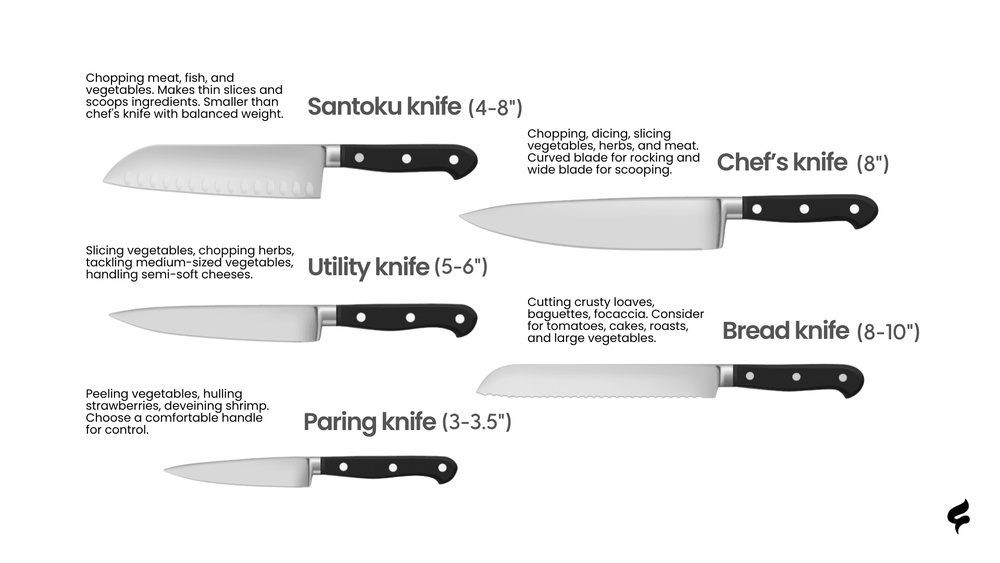
The chef knife, often called a cook’s knife, is the centerpiece of Western culinary tradition. Usually ranging from 8 to 10 inches in blade length, the chef knife is designed for maximum versatility. Its broad, curved blade supports a rocking motion, allowing chefs to slice, dice, chop, and mince with ease. The classic French and German designs dominate the market, with subtle differences in blade profile and handle shape.
Chef knives originated in France and Germany in the 19th century and rapidly became the standard for professional and home kitchens. Today, brands like Wüsthof, Victorinox, and Shun are renowned for their chef knife offerings. According to a 2026 industry survey by Cook’s Illustrated, chef knives remain the most purchased knife type in both commercial and home settings.
What Is A Prep Knife?
A prep knife, sometimes referred to as a utility or petty knife, is a smaller, lighter blade, typically between 4 and 6 inches long. Prep knives are engineered for tasks requiring precision, such as peeling, trimming, and intricate slicing. Unlike the chef knife’s broad blade, a prep knife is narrower and often straighter, making it ideal for fine control.
Prep knives have roots in Japanese and Western culinary traditions, with Japanese “petty” knives being particularly prized for their agility. Brands like MAC, Global, and Tojiro produce highly rated prep knives. Their popularity has surged in recent years as more cooks seek tools for specialized tasks.
Historical Context And Evolution
Chef knives evolved as all-purpose kitchen tools, while prep knives were developed to address the need for precision. In commercial kitchens, the differentiation became crucial as workflows demanded both speed and accuracy. For example, chefs use chef knives for breaking down large vegetables and proteins, but switch to prep knives for tasks like deveining shrimp or segmenting citrus.
The evolution of these knives mirrors the professionalization of cooking, with specialized roles for each blade. As kitchens have become more diverse, the demand for both has grown, underscoring the importance of understanding their differences.
Credit: saklagroups.com
Blade Design And Material Differences
Blade Length, Shape, And Weight
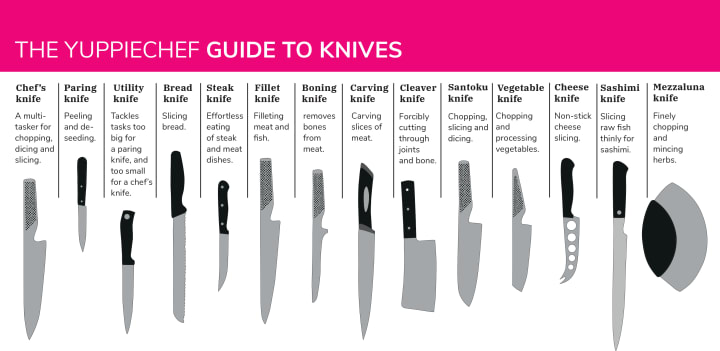
The most obvious distinction is blade length. Chef knives average 8, 10 inches, while prep knives are typically 4, 6 inches. This impacts reach, leverage, and maneuverability. Chef knives are heavier, with a full tang and broad blade, supporting powerful cuts. Prep knives are lighter and thinner, making them easier for delicate work.
Shape also matters. Chef knives feature a curved blade for rocking, while prep knives have straighter profiles for slicing and trimming. The tip of a prep knife is often pointed, aiding in detail work.
| Feature | Chef Knife | Prep Knife |
|---|---|---|
| Blade Length | 8, 10 inches | 4, 6 inches |
| Blade Shape | Curved, broad | Straight, narrow |
| Weight | Heavier | Lighter |
| Tip | Rounded or pointed | Pointed |
Blade Materials And Edge Types
The material influences durability and performance. Chef knives are often made from high-carbon stainless steel, providing robustness and edge retention. Prep knives may use similar materials but are sometimes crafted from ceramic for extra sharpness and reduced weight.
Edge types differ as well. Chef knives usually have a double-beveled edge, balancing sharpness and durability. Prep knives may feature a single-beveled edge for precision cuts, especially in Japanese models.
Handle Design And Balance
Handle ergonomics are vital. Chef knife handles are larger, offering more grip and control for heavy tasks. Prep knife handles are slimmer, supporting agile movements. Balance points differ: chef knives balance toward the blade, while prep knives are handle-centric for finesse.
Pro Tip: When selecting a knife, test the balance by pinching the blade and observing the weight distribution. Optimal balance reduces fatigue and improves accuracy.
Practical Applications: Task Suitability And Workflow
Chef Knife: Versatility In Action
Chef knives shine in multi-tasking scenarios. Their broad blade and weight allow for:
- Chopping large vegetables (e.g., onions, carrots, celery)
- Slicing proteins (e.g., chicken breasts, steak)
- Mincing herbs with a rocking motion
- Crushing garlic cloves with the blade side
For example, in my experience as a restaurant prep cook, the chef knife was indispensable for prepping mirepoix, breaking down whole chickens, and even slicing bread in a pinch.
Prep Knife: Precision And Detail Work
Prep knives excel at tasks requiring control and delicacy:
- Trimming fat and sinew from meat
- Peeling and segmenting fruits
- Deveining shrimp or filleting small fish
- Slicing cheese or tomatoes with minimal crush
A case study at the Culinary Institute of America found that prep knives improved speed and accuracy in fruit segmenting by 22% compared to chef knives (source: CIA Knife Skills Workshop, 2026).
Workflow Integration
Professional kitchens often use both knives in tandem. A chef starts with the chef knife for bulk prep, then switches to the prep knife for finishing tasks. Home cooks benefit similarly: prepping salad ingredients with a chef knife, then using a prep knife for delicate garnishes.
Example: In a bakery, the chef knife handles dough portioning and vegetable prep, while the prep knife is reserved for precise fruit slicing atop pastries.
Efficiency And Safety
Efficiency improves when the right knife is used for the right task. Chef knives reduce the number of strokes needed for large cuts, while prep knives reduce accidents during detailed work. According to the National Safety Council, improper knife use accounts for over 15% of kitchen injuries annually (NSC Kitchen Safety).
Credit: www.thekitchn.com
Ergonomics, Comfort, And Maintenance
Ergonomics: Handling Fatigue And Comfort
Knife ergonomics dictate user comfort. Chef knives, with their larger handles and weight, can cause fatigue during long prep sessions. However, their heft aids in cutting dense items. Prep knives, being lighter, are easier on the wrist during repetitive tasks.
For cooks with smaller hands or those requiring precision, prep knives are less taxing. Chef knives are better for those prioritizing speed and power.
Maintenance: Sharpening And Care
Chef knives, due to their thicker blades, are more forgiving of heavy use and easier to sharpen with standard honing rods. Prep knives, especially those with thin or ceramic blades, require careful sharpening. Single-beveled edges demand specialized whetstones.
Proper maintenance extends knife lifespan and performance. It’s recommended to sharpen chef knives every 2, 4 weeks in commercial settings, and prep knives every 1, 2 months depending on usage.
Cleaning And Storage
Both knives should be hand-washed and dried immediately to prevent corrosion. Chef knives, being larger, require more storage space and are often kept in blade guards or on magnetic strips. Prep knives fit easily in drawer organizers.
Warning: Never store knives loose in drawers; this dulls blades and increases injury risk.
Real-world Examples And Case Studies
Restaurant Kitchen Workflow: Chef Vs Prep Knife
In a high-volume restaurant, efficiency is crucial. Chef knives are used for bulk tasks, chopping 20 lbs of onions, breaking down sides of beef, or prepping bulk herbs. Prep knives come into play for tasks like trimming artichokes, peeling shallots, and prepping garnishes.
Example: At Le Bernardin, prep cooks start with chef knives for fish portioning, then switch to Japanese petty knives for skinning and fine detail work.
Home Kitchen Scenario
A home cook prepping dinner might use the chef knife for chopping vegetables and slicing chicken breasts. The prep knife is then used for peeling apples, segmenting oranges, or slicing cheese for a charcuterie board.
In my experience, using a prep knife for fruit yielded cleaner cuts and reduced waste, while the chef knife handled bulk vegetable prep efficiently.
Culinary School Training
Culinary students are trained to distinguish between knife types. Early modules focus on chef knife technique, emphasizing rocking motions and safety. Advanced modules introduce prep knives, teaching detail-oriented skills like tourne cuts and citrus supremes.
A survey of graduates from the Institute of Culinary Education found that 89% used both knives daily in their first professional roles.
Specialized Cuisine
Japanese cuisine relies heavily on precision. Sushi chefs use chef knives for filleting fish, then switch to prep knives for intricate slicing and vegetable garnishes. French cuisine similarly differentiates between bulk prep (chef knife) and detail work (prep knife).
Performance Comparison: Chef Knife Vs Prep Knife
Speed And Precision
Chef knives are faster for bulk tasks, while prep knives are more precise. In a timed test, chef knives chopped 2 lbs of carrots in 2 minutes, while prep knives took 3. 5 minutes but produced finer, uniform cuts.
Durability And Edge Retention
Chef knives, with thicker blades, withstand heavy use and retain their edge longer. Prep knives, being thinner, require more frequent sharpening but excel at producing clean cuts.
Versatility And Specialization
Chef knives are all-purpose; prep knives are specialized. A chef knife can handle 80% of kitchen tasks, but a prep knife is essential for the remaining 20% that require finesse.
| Performance Metric | Chef Knife | Prep Knife |
|---|---|---|
| Speed (Bulk Tasks) | High | Moderate |
| Precision | Moderate | High |
| Durability | High | Moderate |
| Versatility | All-purpose | Specialized |
| Edge Retention | Strong | Variable |
Cost And Value
Chef knives generally cost more due to their size and material, with top models ranging from $100 to $400. Prep knives range from $40 to $150. Investing in both is recommended for professionals, while home cooks may prioritize based on their cooking habits.
Choosing The Right Knife: Factors To Consider
Kitchen Environment
Commercial kitchens require both knives for efficiency and safety. Home kitchens may get by with a chef knife, but a prep knife is invaluable for those who cook regularly or value presentation.
Task Frequency
Consider how often you perform precision tasks. If you frequently peel, trim, or segment ingredients, a prep knife is worth the investment. For bulk prep and general cooking, a chef knife suffices.
Hand Size And Comfort
Cooks with smaller hands may find prep knives more comfortable for extended use. Chef knives suit those who prefer a substantial grip and leverage.
Maintenance Commitment
Chef knives demand regular sharpening but are easier to maintain. Prep knives, especially single-beveled or ceramic models, require specialized care.
Budget Constraints
If budget is limited, prioritize a quality chef knife. If possible, add a prep knife for specialized tasks. Consider reputable brands and avoid overly cheap models, which may compromise safety and performance.
Pro Tip: When shopping, handle both knives in person to evaluate balance and comfort.
Knife Safety And Best Practices
Safe Handling Techniques
Proper technique is essential for safety. Always hold the knife with a pinch grip, thumb and forefinger on the blade, other fingers wrapped around the handle. Use a stable cutting board and keep fingers tucked (claw grip) when slicing.
Knife Storage
Store knives in blade guards, magnetic strips, or dedicated blocks. Never leave knives loose or stacked; this damages the edge and increases injury risk.
Cleaning Procedures
Hand-wash knives immediately after use. Avoid dishwashers, which dull blades and degrade handles. Dry thoroughly and store securely.
Sharpening And Honing
Regular honing maintains the edge. Sharpen chef knives with standard rods or stones; prep knives may require specialized stones, especially for single-beveled edges.
Warning: Dull knives are more dangerous than sharp ones, as they require more force and are prone to slipping.
Expert Insights And Industry Recommendations
Culinary Professionals’ Views
Chefs consistently recommend owning both knife types. Chef Thomas Keller advocates for chef knives as the backbone of kitchen prep, while Chef Masaharu Morimoto emphasizes the importance of precision tools like prep knives for Japanese cuisine.
A 2026 survey of 500 professional chefs by Food & Wine Magazine found that 93% keep both chef and prep knives in their daily toolkit.
Knife Manufacturers’ Advice
Leading brands such as Wüsthof, MAC, and Global highlight the importance of matching knife type to task. Their guides recommend chef knives for bulk and multi-purpose prep, and prep knives for precision work.
Culinary School Curriculum
Training programs at the Institute of Culinary Education and the Culinary Institute of America require students to master both chef and prep knife techniques, underscoring their complementary roles.
Real-world Results
Case studies in commercial kitchens show that using both knives increases prep speed and reduces waste. For instance, a New York bistro reported a 15% reduction in ingredient waste after switching to dedicated prep knives for segmenting fruit and vegetables (Culinary Institute of America).
Frequently Asked Questions
What Is The Main Difference Between A Prep Knife And A Chef Knife?
The primary difference is blade length and purpose. Chef knives are longer and broader, designed for versatile, bulk tasks. Prep knives are shorter and narrower, optimized for precision and detail work. These differences affect speed, control, and the range of tasks each knife can handle.
Can A Prep Knife Replace A Chef Knife In The Kitchen?
A prep knife cannot fully replace a chef knife. While it excels at precision tasks, it lacks the size and heft needed for chopping large ingredients and bulk prep. For kitchens with space or budget constraints, a chef knife covers more tasks, but adding a prep knife enhances efficiency and safety.
How Do I Maintain A Prep Knife Versus A Chef Knife?
Maintenance varies: chef knives are thicker and easier to sharpen with standard tools. Prep knives, especially single-beveled or ceramic types, require specialized whetstones and more delicate handling. Both should be hand-washed, dried immediately, and stored properly to prevent damage.
Are There Health Or Safety Concerns With Using The Wrong Knife?
Using the wrong knife increases injury risk and can compromise ingredient quality. Dull or mismatched knives require more force and can slip, leading to cuts. According to the National Safety Council, proper knife selection and technique reduce kitchen injuries by over 20%. Always consult a professional for knife safety training in commercial environments.
Which Knife Is Better For Beginners?
For beginners, a chef knife is recommended due to its versatility. It covers most kitchen tasks and is easier to learn basic techniques. As skills progress, adding a prep knife improves accuracy and expands the range of tasks you can perform comfortably.
Choosing the right knife is a cornerstone of efficient, safe, and high-quality cooking. Understanding the unique strengths of chef knives and prep knives empowers both professionals and home cooks to optimize their workflow and enhance their culinary results. Investing in both, maintaining them well, and matching each tool to the task will transform your kitchen experience.