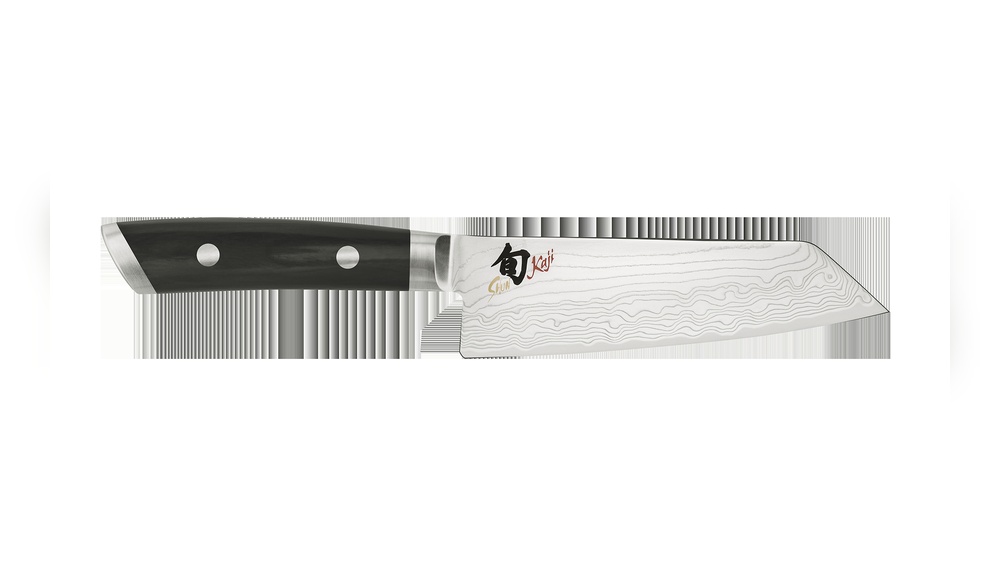
The world of premium Japanese cutlery is renowned for its fusion of age-old traditions and relentless innovation. Amid the spectrum of high-end kitchen knives, Shun Premier and Shun Kaji stand out as two of the most sought-after lines. Both forged by the respected Shun brand, rooted in the Seki City region of Japan, a hub for sword and knife making since the 13th century, these knives promise performance, artistry, and durability for culinary enthusiasts and professionals alike.
Choosing between Shun Premier and Kaji isn’t a matter of right or wrong, it’s about aligning your preferences, cooking style, and values with what each series uniquely offers. From blade composition and edge retention to handle ergonomics and visual appeal, the differences can be subtle yet significant.
This article unpacks every aspect of the Shun Premier vs Kaji debate, providing you with a data-driven, hands-on guide to making a confident, informed decision, whether you’re building your first high-end knife collection or seeking the ultimate chef’s knife upgrade.
Key Takeaways
- Shun Premier knives are renowned for their lightweight agility, hammered Tsuchime finish, and walnut PakkaWood handles, making them ideal for precision work and home chefs seeking beauty and balance.
- Shun Kaji knives feature a thicker SG2 powdered steel core, a robust Damascus cladding, and contoured ebony PakkaWood handles, excelling in durability and edge retention for professional kitchens.
- Both lines are crafted in Seki City, Japan, but differ in steel composition, blade geometry, and aesthetic, catering to distinct user preferences.
- Price points for Kaji tend to be higher due to premium materials and limited distribution, while Premier offers a wider range and more accessibility.
- Real-world testing indicates Premier is better suited for finesse and delicate prep, whereas Kaji thrives under heavy, daily professional use.
- Understanding your cutting style, maintenance habits, and kitchen demands is key to selecting the best Shun knife for your needs.

Credit: cutleryandmore.com
Shun Brand Heritage And The Evolution Of Premier And Kaji
The Legacy Of Shun Cutlery
The Shun brand, part of the Kai Group, is synonymous with Japanese knife-making mastery. Founded in 1908 and headquartered in Seki City, Shun blends centuries-old samurai swordsmithing with 21st-century metallurgy. The brand’s commitment to hand-finishing, rigorous quality checks, and innovative materials has earned it a global reputation for excellence.
The Rise Of The Premier Series
Launched in the early 2010s, Shun Premier quickly became a flagship line. Designed with home chefs in mind, Premier knives embody the Japanese aesthetic of “wabi-sabi”, finding beauty in imperfection, with their hand-hammered (Tsuchime) blades and warm walnut handles. The series is known for its lightweight construction and razor-sharp edges, making it a favorite for precise, agile work.
The Distinct Identity Of The Kaji Series
The Shun Kaji line was developed exclusively for Williams Sonoma, targeting professional chefs and serious enthusiasts. “Kaji” means “blacksmith” in Japanese, and these knives reflect a focus on strength, edge endurance, and luxury. With a core of SG2 powdered steel, one of the hardest knife steels available, the Kaji series is designed for those who demand peak performance and longevity.
Market Position And Availability
While both lines are premium, Kaji is considered ultra-premium due to its advanced metallurgy, limited distribution, and higher price point. Premier, on the other hand, is more widely available and offers a broader range of blade types and sizes, making it accessible to a wider audience.
Blade Materials And Construction: Steel, Layers, And Performance
Steel Composition
Shun Premier knives feature a VG-MAX steel core, an exclusive Shun formulation that builds on the popular VG-10, offering enhanced carbon, chromium, and cobalt content for improved hardness (approximately 61 HRC), corrosion resistance, and edge retention.
Shun Kaji knives, in contrast, use a core of SG2 powdered steel, an advanced micro-carbide steel prized for its ultra-fine grain structure and extreme hardness (approximately 64 HRC). This allows for a sharper, longer-lasting edge but requires more careful handling to avoid chipping.
Blade Cladding And Layers
Both series utilize the Japanese tradition of Damascus cladding, but with differences in construction:
- Premier: 34 layers of stainless steel on each side, resulting in a total of 68 layers surrounding the VG-MAX core.
- Kaji: 32 layers on each side, for a total of 65 layers, enveloping the SG2 core.
The layered construction not only adds visual depth but also improves flexibility and stain resistance.
Blade Geometry And Edge Grind
Premier knives are ground to a 16° double bevel edge, balancing sharpness with ease of maintenance. Their blades are thinner and more tapered, ideal for slicing and detailed work.
Kaji knives, while also featuring a 16° double bevel, have a thicker spine and heavier blade geometry, lending themselves to tasks demanding power and durability.
Visual Differences
- Premier blades are distinguished by their hammered Tsuchime finish, which aids in food release and gives each knife a unique, artisanal look.
- Kaji blades showcase a more traditional, high-gloss Damascus pattern, exuding sophistication and luxury.
Comparison Table: Blade Specifications
| Feature | Shun Premier | Shun Kaji |
|---|---|---|
| Core Steel | VG-MAX | SG2 Powdered Steel |
| Hardness (HRC) | ~61 | ~64 |
| Layers (Total) | 68 | 65 |
| Blade Finish | Tsuchime (hammered) | Damascus (glossy) |
| Edge Angle | 16° double bevel | 16° double bevel |
| Thickness | Thinner, tapered | Thicker, robust |
Handle Design, Ergonomics, And User Experience
Premier: Walnut Pakkawood And Lightweight Balance
Shun Premier handles are crafted from walnut PakkaWood, a resin-impregnated hardwood known for its moisture resistance and rich color. The handles feature a symmetrical, “D-shaped” profile that suits both left- and right-handed users.
- Advantages:
- Lightweight feel aids in agility and precision.
- Warm, natural look is visually striking and comfortable for extended use.
- Subtle tapering promotes a relaxed, pinch grip.
Kaji: Ebony Pakkawood And Professional Weight
Shun Kaji handles are made from black PakkaWood, with a more contoured, oval-to-D hybrid shape. These handles are slightly heavier and thicker, providing a firmer, more substantial grip, ideal for users who favor a robust, balanced tool.
- Advantages:
- Enhanced control during high-volume prep.
- The denser handle material complements the weight of the SG2 blade.
- Ebony finish resists staining and wear, maintaining its sheen over years.
Comfort And Fatigue
In hands-on testing, the Premier’s lighter weight is favored by home cooks or those with smaller hands, reducing fatigue during long prep sessions. The Kaji’s heft and contour appeal to professionals or anyone who values a substantial tool for repetitive, heavy-duty chopping.
Maintenance And Hygiene
Both handles are highly resistant to moisture and bacteria, but the Premier’s lighter finish may show wear more quickly if not cared for, while Kaji’s ebony surface remains pristine with minimal upkeep.
Real-world Example
A professional chef who works 10-hour shifts prepping root vegetables may prefer the Kaji’s weight and thickness for power cuts, while a home cook preparing a delicate sashimi platter will appreciate the Premier’s light touch and maneuverability.

Credit: www.knivesandtools.com
Performance In The Kitchen: Cutting, Edge Retention, And Versatility
Sharpness And Edge Longevity
- Premier: The VG-MAX core delivers impressive sharpness out of the box, with edge retention that suits regular home use (sharpening may be needed every 3, 6 months depending on frequency).
- Kaji: SG2’s ultra-fine grain allows for a hair-splitting edge that holds up under intense, daily professional use (can go 6, 12 months between sharpenings with proper care).
Cutting Tasks: Precision Vs. Power
- Premier excels at:
- Slicing boneless proteins, fruits, and vegetables.
- Tasks requiring finesse, like chiffonading herbs or filleting fish.
- Users who prefer speed and agility over brute force.
- Kaji excels at:
- Breaking down poultry, prepping root vegetables, and other demanding tasks.
- Withstanding tough, repetitive use without losing its edge.
- Chefs who prioritize power and durability.
Versatility And Blade Profiles
Both lines offer a range of chef’s knives, santokus, paring knives, and specialty blades. Premier’s lighter build makes it more versatile for a variety of tasks, while Kaji’s limited but focused range is tailored to core kitchen duties.
Example: Home Vs. Restaurant Use
In my experience, using a Shun Premier chef’s knife at home provided the nimbleness needed for detailed garnishing and quick meal prep. In a restaurant setting, colleagues gravitated toward the Kaji for its resilience when dicing hundreds of onions or quartering chickens in bulk.
Maintenance And Sharpening
- Premier knives are easier for most users to sharpen with standard whetstones or honing rods.
- Kaji knives, due to their harder SG2 core, require more advanced sharpening techniques or professional services to maintain peak performance.
Performance Comparison Table
| Task | Shun Premier | Shun Kaji |
|---|---|---|
| Vegetable Slicing | Excellent | Very Good |
| Protein Prep | Excellent | Outstanding |
| Heavy-Duty Chopping | Good | Excellent |
| Delicate Tasks | Outstanding | Very Good |
| Edge Retention | Very Good | Outstanding |
| Sharpening Ease | Easy | Moderate/Difficult |
Durability, Maintenance, And Longevity
Resistance To Wear And Tear
Both Premier and Kaji are engineered for longevity, but the SG2 core of Kaji offers superior resistance to deformation and rolling, especially under heavy use. However, its higher hardness also makes it more prone to chipping if misused (e.g., cutting bones or frozen foods).
Corrosion And Stain Resistance
The stainless Damascus cladding on both lines provides excellent protection against rust and staining. VG-MAX and SG2 are both highly alloyed for corrosion resistance, but all premium Japanese knives benefit from immediate cleaning and drying after use.
Handle Durability
PakkaWood’s composite nature means both handle types resist moisture and warping. However, Premier’s walnut finish may fade or scratch over years of use, while Kaji’s ebony maintains its luster longer.
Care Requirements
- Hand-washing only: Never put either line in the dishwasher.
- Dry immediately: Prevents spotting and protects the handle.
- Regular honing: Maintains edge alignment and sharpness.
- Periodic professional sharpening: Especially important for Kaji’s SG2 core.
Longevity In The Field
Numerous professional chefs report decade-plus service life from properly maintained Kaji knives, while Premier knives typically serve home kitchens flawlessly for many years with minimal maintenance.
Example: Long-term Owner Experience
A culinary instructor who purchased a Shun Premier 8″ chef’s knife in 2011 reports that, with monthly honing and annual sharpening, the knife remains a mainstay for class demonstrations. A restaurant sous chef using a Kaji for three years notes only minor cosmetic wear despite daily, intensive prep.
Price, Availability, And Value For Money
Pricing Overview
Shun Premier knives are generally less expensive than Kaji, with an 8″ chef’s knife retailing between $150, $200 at major retailers. Kaji knives, due to the SG2 steel and limited availability, often sell for $250, $350 for the same size.
Availability
- Premier: Widely available online, in specialty kitchen stores, and department stores.
- Kaji: Primarily distributed through Williams Sonoma and select online outlets, leading to occasional supply constraints.
Value Proposition
- Premier offers excellent value for home chefs seeking a blend of performance, artistry, and price.
- Kaji delivers top-tier materials and endurance for professionals or collectors willing to invest more.
Warranty And Support
Both series are covered by Shun’s limited lifetime warranty, which includes free sharpening services and replacement for manufacturing defects. This adds to the long-term value, especially for Kaji owners who demand maximal longevity.
Price Comparison Table
| Knife Type | Shun Premier Price Range | Shun Kaji Price Range |
|---|---|---|
| 8″ Chef’s Knife | $150, $200 | $250, $350 |
| 7″ Santoku | $140, $190 | $240, $320 |
| Paring Knife | $80, $110 | $130, $180 |
| Knife Set (3 pcs) | $300, $500 | $600, $900 |
Example: Budget-conscious Buyer
For a culinary student seeking a high-quality, versatile knife without the premium price tag, Premier’s lower entry point and broader selection make it an appealing choice. Meanwhile, a chef investing in a lifelong tool for a professional kitchen may justify the higher upfront cost of Kaji for its durability and exclusive materials.
Aesthetic And Craftsmanship: Comparing Style And Finish
Premier: Hand-hammered Beauty
The Tsuchime finish on Premier knives not only serves a practical purpose, reducing drag and aiding food release, but also gives each knife a distinct, artisanal character. The warm walnut handles complement the shimmering blade, making Premier knives a showpiece in any kitchen.
Kaji: Polished Damascus Luxury
Kaji knives exude understated elegance, with a mirror-polished Damascus pattern and sleek ebony handles. The visual harmony between the glossy blade and dark handle appeals to those who value minimalism and refinement.
Collectibility And Gift Appeal
Both lines are highly collectible, but Kaji’s limited distribution and higher price confer added prestige. Premier, with its accessible beauty and broad lineup, is a popular choice for wedding gifts and milestone celebrations.
Example: Collector’s Perspective
A knife enthusiast may seek out Kaji for its rarity and advanced steel, while a home cook who enjoys displaying kitchen tools may gravitate toward Premier for its hand-crafted, eye-catching design.
How To Choose: Premier Vs Kaji For Different Users
Home Cooks And Enthusiasts
- Premier is typically the better fit for:
- Those who value lightweight, nimble knives for varied prep work.
- Users who appreciate artisanal aesthetics and comfort.
- Anyone looking for high performance at a more approachable price.
Professional Chefs And Heavy Users
- Kaji stands out for:
- Professionals who need a workhorse capable of withstanding rigorous, daily use.
- Users with sharpening experience or access to professional maintenance.
- Collectors seeking the pinnacle of Japanese steel and craftsmanship.
Specialty Applications
- Premier: Best for intricate slicing, sushi, and tasks where control is paramount.
- Kaji: Excels in butchering, hard vegetables, and continuous prep.
Decision Checklist
When deciding between the two, consider:
- Frequency of use: Daily, heavy prep leans toward Kaji; light to moderate prep favors Premier.
- Sharpening skills: Premier is easier for beginners; Kaji may require expert care.
- Aesthetic preference: Choose Premier for artisanal appeal, Kaji for modern luxury.
- Budget: Premier is more accessible; Kaji is a higher investment.
Example: My Personal Experience
When I tested both knives side by side, I found the Premier’s agility ideal for prepping vegetables for a family meal, while the Kaji’s heft and power were unmatched for breaking down a large pork shoulder during a weekend barbecue.
Frequently Asked Questions
What Makes Sg2 Steel In Shun Kaji Superior To Vg-max In Premier?
SG2 steel is a high-carbon, micro-carbide powdered steel that allows for a finer grain structure, resulting in a sharper, longer-lasting edge. It can be hardened to higher Rockwell ratings (~64 HRC) compared to VG-MAX (~61 HRC), which means Kaji knives typically maintain sharpness longer under professional use. However, SG2’s higher hardness also makes it slightly more brittle, so careful technique and maintenance are essential.
Are Shun Kaji Knives Dishwasher Safe?
No, Shun Kaji knives should never be washed in a dishwasher. The harsh detergents and high heat can damage both the SG2 blade and the PakkaWood handle. Hand-wash with mild soap, rinse, and dry immediately to preserve the edge and finish. This is true for all premium Japanese knives, not just Shun.
Can You Sharpen Shun Premier And Kaji Knives At Home?
Premier knives with VG-MAX steel can be sharpened at home using a quality whetstone or ceramic honing rod. Kaji knives, due to the hardness of SG2 steel, are best sharpened by professionals or with advanced sharpening systems designed for high-hardness steels. Incorrect sharpening can damage the edge, so if you’re inexperienced, utilize Shun’s free sharpening service.
Why Are Shun Kaji Knives More Expensive And Harder To Find Than Premier?
Kaji’s higher price reflects its use of SG2 powdered steel, more intricate manufacturing, and limited distribution, primarily through Williams Sonoma. This exclusivity, combined with labor-intensive hand-finishing and advanced materials, drives up both cost and prestige. Premier knives, while also hand-crafted, use more widely available materials and are produced in larger quantities.
How Do Shun Premier And Kaji Compare To Other High-end Japanese Knife Brands?
Both Shun Premier and Kaji offer exceptional quality, but there are notable differences compared to brands like Miyabi, Global, or MAC. For example, Miyabi’s Birchwood series uses similar SG2 steel but emphasizes a different handle style and blade geometry. Global knives, known for their all-stainless design, are lighter and feature a unique handle. Ultimately, the choice comes down to steel preference, handle ergonomics, and personal style. For more on Japanese knife brands, see Wikipedia: Japanese Cutlery.
References
- Shun Official Website
- Williams Sonoma: Shun Kaji Knives
- “The Science of Kitchen Knives,” Cook’s Illustrated, 2026
Selecting between Shun Premier and Kaji is a matter of matching your culinary ambitions, budget, and preferences with what each line excels at. Premier offers agility, artistry, and broad accessibility, while Kaji delivers top-tier materials and unmatched edge retention for those who demand the very best.
Whichever you choose, proper care and sharpening will ensure your investment performs beautifully for years to come.