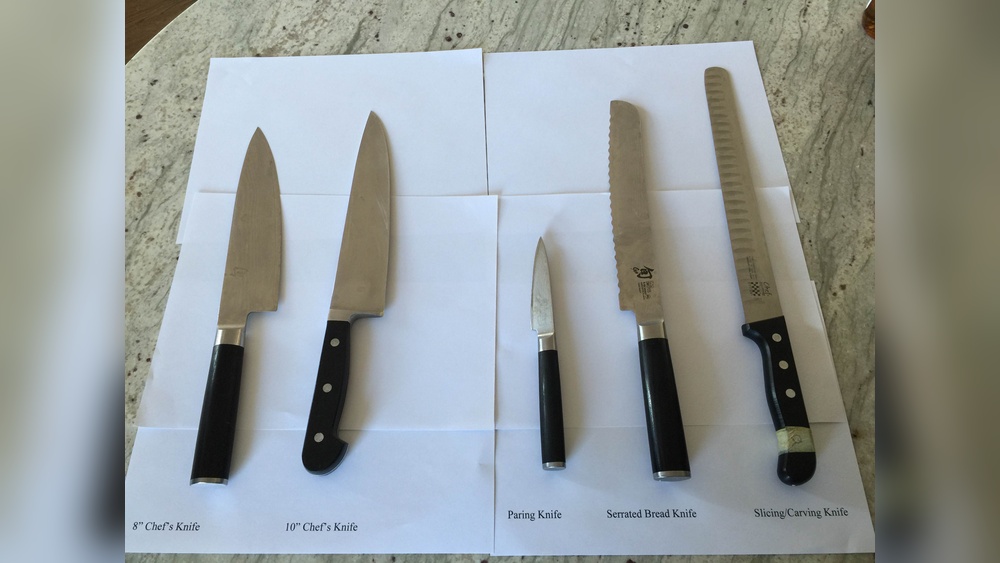
Choosing the right knife can transform not just your kitchen experience, but also the quality and safety of your food preparation. Among the most debated kitchen tools are the carving knife and the utility knife, each with their own unique strengths, design features, and ideal use cases. Whether you’re a home chef slicing your holiday roast or a professional seeking efficiency and precision, understanding the differences between these two knives is crucial.
In my experience as a culinary enthusiast and writer, the wrong knife can result in uneven cuts, wasted ingredients, and even accidents. Yet, many kitchens make do with a mismatched set, unaware of how tool selection influences everything from presentation to flavor retention.
This article will serve as your comprehensive guide to choosing between a carving knife and a utility knife, supported by expert opinions, real-world examples, and actionable tips.
Key Takeaways
- Carving knives excel at slicing large cuts of cooked meat, producing thin, even slices with minimal tearing.
- Utility knives offer versatility for a wide range of tasks, from slicing vegetables to cutting sandwiches, but are less specialized for meat carving.
- Blade length, flexibility, and edge design are key factors that differentiate these knives and impact performance.
- Selecting the right knife improves safety, efficiency, and the final appearance of your dishes.
- Proper care and usage can extend the life of both knives and maintain optimal sharpness.
- Understanding your specific cooking habits and needs is essential before investing in either knife.

Credit: www.thechoppingblock.com
Understanding Carving Knives And Utility Knives
What Is A Carving Knife?
A carving knife is a long, narrow knife designed primarily for slicing cooked meats such as turkey, roast beef, or ham. Typically, the blade length ranges from 8 to 15 inches, allowing for long, smooth strokes that minimize tearing and preserve the integrity of each slice. The blade is often slightly flexible and tapers to a sharp point, which aids in navigating around bones and joints.
Key features:
- Long, narrow blade (8, 15 inches)
- Slight flexibility
- Pointed tip
- Fine, sharp edge
Carving knives are indispensable during special occasions like Thanksgiving or for professional chefs working with large proteins. Their design ensures thin, uniform slices, which are not only visually appealing but also important for even cooking and texture.
What Is A Utility Knife?
The utility knife fills the gap between the paring knife and the chef’s knife. With a blade usually between 4 and 7 inches, it’s a mid-sized, all-purpose tool designed for versatility. While not specialized for any one task, it’s ideal for jobs too large for a paring knife yet too small for a chef’s knife, such as slicing cheese, cutting sandwiches, or trimming fat from meat.
Key features:
- Medium-length blade (4, 7 inches)
- Straight or slightly curved edge
- Often features a pointed tip
- Multi-purpose utility
Because of its adaptability, the utility knife is often the go-to for quick, everyday tasks. However, its shorter blade and less flexible design make it less suitable for slicing large cuts of meat.
Design Differences At A Glance
| Feature | Carving Knife | Utility Knife |
|---|---|---|
| Blade Length | 8, 15 inches | 4, 7 inches |
| Blade Flexibility | Slightly flexible | Rigid |
| Edge Type | Straight, fine edge | Straight or serrated |
| Primary Use | Slicing cooked meats | Multi-purpose (vegetables, fruits, small meats) |
| Tip Shape | Pointed | Pointed or rounded |
Historical Context
Knives have evolved over centuries, with the carving knife tracing its roots back to ceremonial feasts in Europe, where presentation was paramount. Utility knives, meanwhile, emerged in the 20th century as kitchens required more flexible, everyday tools. Understanding this evolution helps explain why each knife occupies a unique niche in modern culinary practice.
Blade Design And Functionality
Carving Knife: Precision And Presentation
The blade design of a carving knife is meticulously crafted for precision. Its long, slender profile enables users to make sweeping motions, reducing the number of strokes required per slice. This minimizes cell damage in the meat, preserving juiciness and flavor.
Advantages:
- Produces thin, uniform slices
- Ideal for presentation
- Preserves meat texture
Disadvantages:
- Less effective for small or dense foods
- Not suitable for chopping or dicing
Example: When slicing a roast turkey, a carving knife can effortlessly glide through breast meat, producing slices that are both aesthetically pleasing and easy to serve.
Utility Knife: Versatility And Adaptability
The utility knife shines in its adaptability. Its blade is usually rigid, offering control for a variety of tasks. Many utility knives come with either a straight or a serrated edge, enabling them to handle both soft foods (like tomatoes) and tougher items (like cured sausages).
Advantages:
- Handles a wide range of kitchen tasks
- Compact and easy to maneuver
- Great for quick, small jobs
Disadvantages:
- Not ideal for large cuts of meat
- May struggle with tasks requiring a longer blade
Example: When preparing sandwiches, a utility knife can slice bread, cheese, and deli meats without needing to switch tools.
Real-world Application: Thanksgiving Dinner
During a recent Thanksgiving dinner, I found myself alternating between a carving knife for the turkey and a utility knife for prepping sides like tomatoes and cucumbers. The carving knife’s length allowed for clean, even slices of turkey breast, while the utility knife was indispensable for quickly slicing vegetables and cheese for appetizers.

Credit: chefsvisionknives.com
Comparing Performance: Carving Knife Vs Utility Knife
Meat Slicing
When it comes to slicing meat, the carving knife is the undisputed champion. Its blade length and flexibility allow for long, smooth cuts that keep slices intact and juicy. Utility knives, with their shorter blades, require more sawing motions, which can lead to uneven, torn slices.
Pro Tip: For best results, let the meat rest before slicing with a carving knife to retain juices.
Vegetable And Fruit Preparation
Utility knives are more adept at handling vegetables and fruits. Their size and rigidity give users better control for tasks such as peeling, slicing, and trimming. Carving knives, with their length, can be unwieldy for these smaller tasks.
Bread And Baked Goods
Serrated utility knives excel at slicing bread and baked goods. Their teeth grip the crust without crushing the loaf, offering clean cuts. Carving knives, unless specifically serrated, are not ideal for this purpose.
Safety And Control
The right knife improves not only efficiency but also safety. A carving knife, due to its length, demands careful handling, especially around bones. Utility knives, being shorter, offer more control and are less likely to slip during quick tasks.
Comparative Performance Table
| Task | Carving Knife | Utility Knife |
|---|---|---|
| Slicing large roast meats | Excellent | Poor |
| Slicing small meats | Fair | Good |
| Vegetable prep | Poor | Excellent |
| Bread slicing (serrated) | Fair | Excellent |
| Precision work (e.g., trimming fat) | Poor | Good |
Case Study: Professional Kitchen Workflow
In a professional setting, such as a steakhouse, cooks rely heavily on carving knives for table-side service. The spectacle and precision of slicing a prime rib in front of guests not only enhances the dining experience but also ensures portion consistency.
Utility knives, in contrast, are more likely to be used on the prep line for slicing tomatoes, portioning cheese, or prepping garnishes.
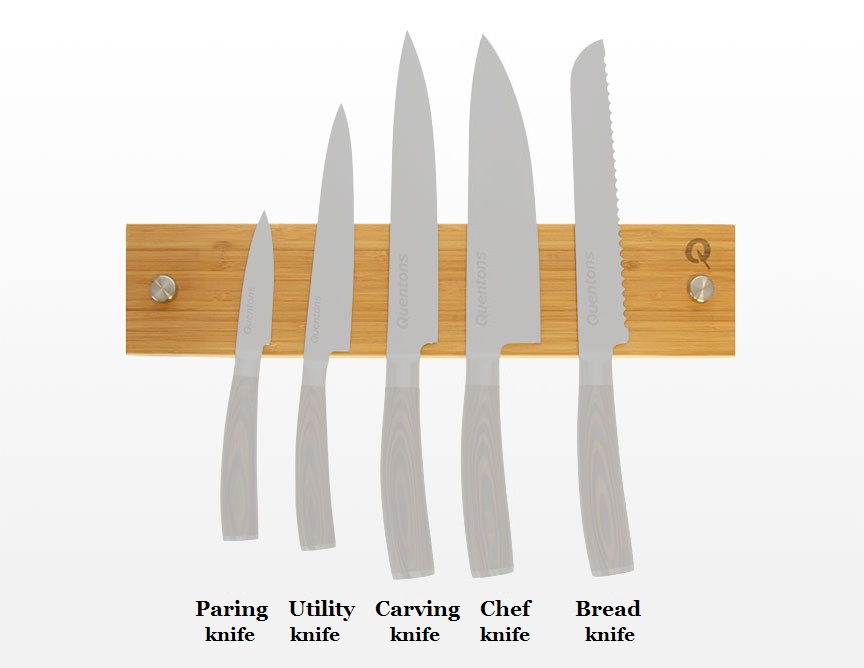
Credit: finoak.com
Material, Construction, And Maintenance
Blade Materials
Both carving and utility knives are typically crafted from high-carbon stainless steel, known for edge retention and corrosion resistance. Some premium models use Damascus steel for added sharpness and aesthetic appeal.
Example: The Victorinox Fibrox Pro carving knife is renowned for its affordable, high-quality stainless steel blade. Utility knives such as the Wüsthof Classic Utility Knife are celebrated for their durability and balance.
Handle Design
The handle impacts comfort and control. Most handles are crafted from:
- Wood: Offers traditional feel, requires more maintenance
- Plastic/Composite: Durable and resistant to moisture
- Stainless Steel: Sleek, easy to sanitize, but may be slippery
Ergonomic handles with a non-slip grip are preferred in high-volume kitchens for safety and comfort.
Maintenance And Sharpening
- Carving knives require regular honing and occasional sharpening to maintain their fine edge. A dull carving knife can shred meat, ruining presentation.
- Utility knives can be sharpened using a standard whetstone or honing rod. Serrated utility knives may need professional sharpening.
Pro Tip: Always hand-wash knives and dry immediately to prevent corrosion and prolong blade life.
Storage Solutions
Proper storage protects knife edges and prolongs their lifespan. Options include:
- Magnetic strips: Keeps blades accessible and visible
- Knife blocks: Organized, safe storage
- Blade guards/sheaths: Ideal for drawer storage
Cost, Value, And Longevity
Price Range
Carving knives and utility knives are available at various price points, from budget-friendly options to high-end professional tools. On average:
- Carving knives: $30, $150+
- Utility knives: $20, $100+
The price often reflects blade material, craftsmanship, and brand reputation.
Value For Money
Investing in quality pays off over time. A well-made carving knife maintains its edge and delivers better results for years. Utility knives, while versatile, should still be of decent quality to withstand daily wear.
Longevity Factors
- Blade hardness: Harder steels stay sharp longer but may be brittle.
- Usage frequency: Daily use warrants higher durability standards.
- Maintenance habits: Regular care extends usable life.
Example: Cost-benefit Analysis
A home chef who prepares roasts only on holidays may opt for a mid-range carving knife, while a professional carver would benefit from a premium model. Conversely, a utility knife sees daily action in most kitchens, so even casual cooks should prioritize quality.
Choosing The Right Knife For Your Needs
Assessing Your Cooking Habits
Consider the following questions:
- How often do you cook large cuts of meat?
- Do you prepare a lot of sandwiches, fruits, or vegetables?
- Is presentation important in your meals?
- How much space do you have for storing specialized tools?
Specialist Vs. Generalist
- If you regularly host dinners or cook large proteins, a carving knife is invaluable.
- For everyday use, especially if you have a small kitchen, a utility knife offers flexibility.
Complementary Tools
Many kitchens benefit from having both knives. Use the carving knife for roasts and the utility knife for daily prep tasks. This approach maximizes efficiency and extends the lifespan of each tool.
Features To Prioritize
- Balance and weight: A well-balanced knife reduces fatigue.
- Blade material: Opt for stainless steel or similar high-quality alloys.
- Handle comfort: Ergonomic, non-slip handles are safest.
- Edge type: Choose straight for slicing meats, serrated for bread or soft produce.
Example: Home Cook’s Toolkit
A typical home cook might pair a carving knife with a chef’s knife and a utility knife, covering nearly all kitchen tasks. This trio, if well-chosen, can handle everything from holiday feasts to weekday lunches.
Real-world Examples And Case Studies
Case Study 1: Restaurant Roast Service
At a well-known steakhouse, servers use a carving knife to portion and plate roast beef tableside. The long blade ensures each slice is uniform, and the pointed tip navigates around bone with ease. Guests appreciate the showmanship and the consistent serving sizes.
Case Study 2: Busy Family Kitchen
In a family kitchen, the utility knife is in constant rotation, cutting fruit for snacks, trimming chicken breasts, and even opening packaging. The versatility reduces the need to switch knives, streamlining prep during busy weeknights.
Example: Culinary School Recommendations
Culinary instructors often advise students to invest in both a carving and a utility knife. This combination prepares them for a range of tasks, from formal plating to efficient mise en place. Students quickly learn that each knife has a distinct role, and proper tool selection improves both speed and safety.
Data-driven Insights
According to a survey by the International Association of Culinary Professionals (IACP), 87% of professional chefs use a dedicated carving knife for large meats, while 92% rely on a utility knife for daily prep. This underscores the importance of specialization in professional settings, while also highlighting the universal appeal of the utility knife for everyday use.
Expert Opinions And Best Practices
What The Pros Say
Professional chefs and butchers consistently emphasize the value of using the right knife for the task:
- Carving knife: Preferred for large meats due to its ability to create thin, even slices with minimal effort.
- Utility knife: Valued for its adaptability, particularly in fast-paced environments where switching knives is impractical.
Chef’s Tips For Knife Selection
- Always test the grip and balance before purchasing.
- Invest in a quality honing rod to maintain sharpness.
- Avoid putting knives in the dishwasher, as harsh detergents and heat can damage blades and handles.
Common Mistakes To Avoid
- Using a utility knife for carving large meats, this leads to ragged, unappetizing slices.
- Attempting to prep small vegetables with a carving knife, increases risk of slips and injury.
- Neglecting regular maintenance, resulting in dull, unsafe blades.
Example: Knife Skills Improvement
When teaching knife skills, culinary schools focus on matching the blade to the task. Students practice with both carving and utility knives, learning how to angle the blade, control slicing motion, and maintain safety at all times. This foundation builds confidence and efficiency in the kitchen.
Frequently Asked Questions
What’s The Main Difference Between A Carving Knife And A Utility Knife?
The carving knife is designed for slicing large, cooked meats with precision, thanks to its long, thin blade. The utility knife, in contrast, features a shorter, more versatile blade suited for a variety of everyday kitchen tasks, including slicing vegetables, fruits, and smaller cuts of meat.
Can A Utility Knife Replace A Carving Knife For Holiday Roasts?
While a utility knife can technically slice cooked meats, its shorter blade and limited flexibility make it less effective for large roasts. You may end up with uneven, torn slices rather than the smooth, uniform cuts achieved with a carving knife.
Which Knife Is Safer For Beginners?
A utility knife is generally safer for beginners due to its shorter length and better control. However, safety depends on proper technique, regular maintenance, and using the right knife for the right task.
How Should I Maintain And Sharpen These Knives?
Both knives benefit from regular honing to maintain their edge. Sharpen carving knives with a fine stone or professional service, especially if the blade is long. For utility knives, use a standard whetstone or honing rod. Serrated utility knives may require specialized sharpening tools.
Are There Any Alternatives To These Knives For Similar Tasks?
For large meats, a chef’s knife or a slicing knife can be alternatives, though they may not offer the same precision as a true carving knife. For versatile kitchen tasks, a paring knife or a chef’s knife can substitute, but the utility knife’s size makes it uniquely convenient.
Selecting between a carving knife and a utility knife isn’t just a matter of preference, it’s about optimizing your workflow, enhancing safety, and elevating the results on your plate. By understanding the unique strengths and applications of each, you can equip your kitchen for efficiency and excellence, ensuring every slice is a cut above the rest. For more guidance on professional knife selection, refer to resources like the Culinary Institute of America for expert recommendations.