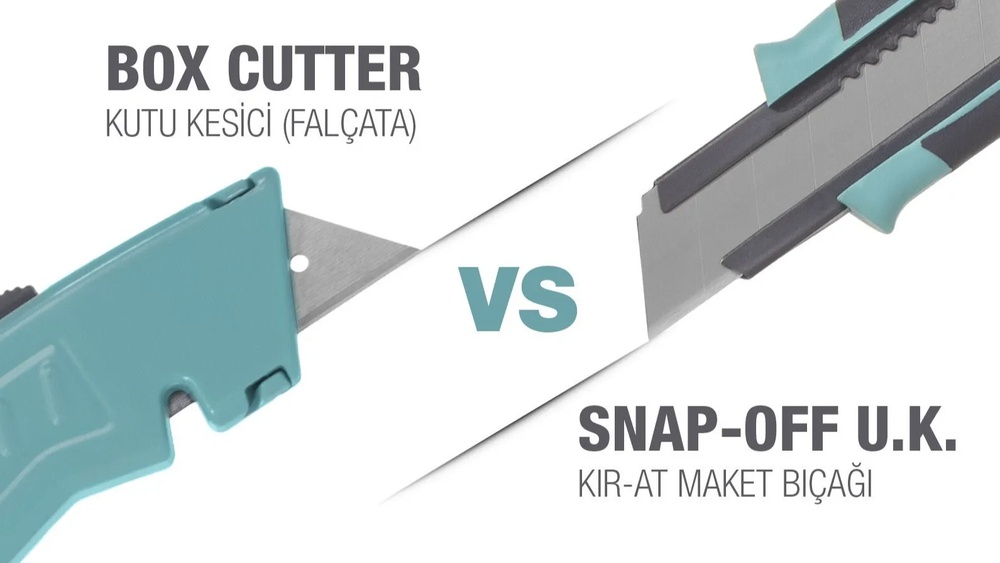
Choosing between a utility knife and a box cutter might seem straightforward, but for professionals, hobbyists, and even homeowners, this decision can significantly affect efficiency, safety, and project outcomes. The subtle yet crucial differences between these two tools often lead to confusion and misuse. Whether you’re slicing cardboard in a warehouse, tackling renovations, or crafting intricate models, understanding which tool best fits your needs can save time, money, and even prevent injuries.
This comprehensive guide demystifies the utility knife vs box cutter debate by comparing features, use cases, safety, durability, and real-world performance. Drawing from expert opinions, industry standards, and practical experience, the article delivers actionable advice and data-driven insights. With clear comparison tables, examples from manufacturing, logistics, and construction, and answers to common questions, this resource is designed to help you make informed decisions, optimize productivity, and ensure safe handling, no matter your skill level.
Key Takeaways
- Utility knives offer versatility, durability, and ergonomic designs for heavy-duty and precision tasks.
- Box cutters are ideal for quick, repetitive cardboard cuts, featuring simple mechanisms and disposable blades.
- The choice depends on task complexity, frequency of use, budget, and safety requirements.
- Both tools require proper maintenance and safe handling to avoid injuries.
- Industry applications and user experiences highlight the importance of selecting the right tool for maximum efficiency and safety.

Credit: www.reddit.com
Utility Knife Vs Box Cutter: Definitions And Core Differences
Understanding the fundamental distinctions between a utility knife and a box cutter is essential before comparing their applications and features. Despite their overlapping roles in cutting tasks, these tools are engineered for different environments and user needs.
What Is A Utility Knife?
A utility knife is a robust, multipurpose cutting tool commonly used in construction, renovation, and crafting. It typically features a retractable or replaceable blade, ergonomic grip, and sturdy body made from materials like metal or high-impact plastic. Utility knives are designed for precision and durability, enabling users to cut through drywall, insulation, carpet, rope, and dense materials.
Key characteristics:
- Retractable blades with multiple positions
- Sturdy build for heavy-duty use
- Ergonomic handle for comfort and control
- Blade replacement system for long-term usability
What Is A Box Cutter?
A box cutter, also known as a carton cutter or warehouse knife, is a lightweight tool optimized for opening cardboard boxes and packaging. Its design emphasizes simplicity and speed, making it a staple in shipping, retail, and logistics. Box cutters often feature disposable blades and minimalistic mechanisms.
Key characteristics:
- Simple slide or snap-off blade mechanism
- Lightweight, slim design for portability
- Intended for frequent, repetitive tasks
- Disposable or easily replaced blades
Core Design And Functional Differences
While both tools are used for cutting, their design philosophies diverge:
| Feature | Utility Knife | Box Cutter |
|---|---|---|
| Blade Type | Heavy-duty, replaceable, often segmented | Thin, disposable, snap-off or fixed |
| Body Material | Metal/plastic, robust | Plastic, lightweight |
| Ergonomics | Shaped for comfort, multiple grip options | Slim, designed for quick cuts |
| Intended Use | Construction, crafts, heavy-duty cutting | Box opening, packaging, light-duty tasks |
| Blade Storage | Often built-in storage for spare blades | Rarely includes blade storage |
Industry Terminology And Overlap
The confusion between these tools often stems from overlapping terminology. In retail settings, a “box cutter” may be labeled as a “utility knife,” and vice versa. Manufacturers sometimes use interchangeable descriptions, further muddying distinctions. However, professionals recognize that the utility knife is built for versatility and strength, while the box cutter prioritizes speed and disposability.

Credit: www.sinotools.com
Comparing Features: Utility Knife Vs Box Cutter
Selecting the right tool means considering specific features, from blade quality to ergonomics and safety mechanisms. This section breaks down the most important aspects to help you make a data-driven choice.
Blade Quality And Replacement
- Utility knives typically use thicker, stronger blades capable of cutting through tough materials. Many models feature segmented blades, allowing users to snap off dull sections for a fresh edge.
- Box cutters use thinner blades, designed for slicing through cardboard and packaging. Blade replacement is fast but blades are often meant to be disposable.
Pro Tip: If you regularly cut dense materials like drywall or carpet, opt for a utility knife with a heavy-duty blade.
Handle And Ergonomics
- Utility knives prioritize comfort, featuring contoured grips and textured surfaces for better control during extended use.
- Box cutters have slim, lightweight handles, making them easy to carry and use for quick, repetitive tasks.
Example: In my experience working on home renovations, a utility knife’s ergonomic handle was crucial for cutting insulation and flooring without hand fatigue.
Safety Features
- Utility knives often include locking mechanisms, retractable blades, and finger guards to prevent accidental injury.
- Box cutters may lack advanced safety features, relying on simple blade retraction or snap-off systems.
Warning: Always check for a locking mechanism, especially if you work in environments where safety regulations are strict.
Durability And Longevity
- Utility knives are built for repeated, heavy-duty use. Metal-bodied models can last years with proper maintenance.
- Box cutters are less durable, often intended for short-term use, with plastic bodies prone to wear.
Cost And Availability
- Utility knives cost more, ranging from $10 to $30 for quality models. However, blade replacements are inexpensive.
- Box cutters are highly affordable, with prices from $2 to $8. Bulk purchases are common in warehouses and retail.
| Feature | Utility Knife | Box Cutter |
|---|---|---|
| Average Price | $10, $30 | $2, $8 |
| Blade Replacement Cost | $0.50, $2 each | $0.10, $0.50 each |
| Expected Lifespan | Years (with maintenance) | Months (disposable) |
| Bulk Availability | Less common | Very common |
Real-world Example: Warehouse Operations
In warehouse settings, box cutters are standard issue for employees opening packages. Their low cost and quick blade change make them ideal for high-volume, repetitive tasks. However, supervisors often keep utility knives on hand for cutting strapping, breaking down pallets, or handling tougher materials.
Applications And Use Cases: Who Should Use Which?
The ideal tool depends on task complexity, frequency, and required precision. This section explores typical use cases for both tools across industries and environments.
Construction And Renovation
Utility knives dominate in construction due to their strength and precision. Workers rely on them for:
- Cutting drywall, insulation, and flooring
- Trimming carpet edges
- Shaping wood or foam
Example: A construction worker replacing drywall needs a sturdy utility knife to score and snap sheets cleanly. Box cutters would struggle with dense material and lack control.
Retail, Shipping, And Logistics
Box cutters are favored in retail and shipping environments:
- Opening boxes and packaging
- Breaking down cardboard for recycling
- Cutting packing tape and shrink wrap
Pro Tip: For large-scale retail operations, distributing box cutters to employees reduces costs and simplifies safety training.
Diy And Hobbyist Projects
Both tools have roles in home improvement and crafting:
- Utility knives excel at model building, precision cutting, and shaping materials like foam or leather.
- Box cutters are handy for quick, simple cuts, such as opening mail or trimming paper.
Warning: Always supervise children using utility knives, as their heavier blades pose greater injury risk.
Manufacturing And Industrial Settings
Industrial environments demand versatility:
- Utility knives are used for cutting industrial materials, stripping wire, and maintenance tasks.
- Box cutters handle packaging, but are less common for manufacturing processes.
Case Study: Packaging Manufacturer
A packaging manufacturer implemented a dual-tool system. Employees used box cutters for regular carton opening and utility knives for cutting strapping and thick plastic wraps. This approach improved efficiency and reduced injury rates, as each tool was matched to its ideal task.

Credit: www.youtube.com
Safety Considerations And Best Practices
Safety remains paramount for both tools. Improper use can result in serious injury, with utility knives posing higher risks due to their stronger blades.
Common Injuries And Prevention
According to the National Safety Council, over 30,000 hand injuries annually are attributed to improper knife use in the workplace (NSC). Most injuries involve lacerations or puncture wounds.
To minimize risk:
- Always retract blades when not in use
- Use gloves with cut-resistant material
- Dispose of dull blades properly
- Select tools with safety locks and guards
Proper Maintenance
Maintaining cutting tools increases safety and performance:
- Clean blades after use to prevent rust and debris buildup
- Replace blades at the first sign of dullness
- Lubricate moving parts of utility knives
Pro Tip: Set a regular maintenance schedule for utility knives in professional settings to prevent accidents.
Training And Compliance
Many workplaces require formal training on knife safety:
- Demonstrate proper grip and cutting angles
- Emphasize safe blade disposal
- Reinforce use of personal protective equipment (PPE)
Example: In logistics companies, new hires undergo a brief knife safety course, reducing injury rates and improving compliance.
Safe Storage And Transport
Store knives in secure, designated locations. Utility knives often have built-in blade storage; box cutters should be kept in drawers or bins away from children and unauthorized users.
Warning: Never carry open blades in pockets or bags.
Durability, Maintenance, And Cost Analysis
Durability and maintenance are key factors in tool selection, especially for professionals who rely on consistent performance.
Utility Knife Durability
Utility knives are engineered to withstand heavy use. Metal-bodied models resist drops, impacts, and corrosion. With regular blade replacement and cleaning, a quality utility knife can last for years.
Maintenance tips:
- Inspect for loose parts or cracks
- Replace blades regularly
- Store in dry, secure locations
Box Cutter Lifespan
Box cutters are designed for disposability. Plastic bodies and thin blades wear out quickly, especially in high-volume environments. Bulk purchasing offsets short lifespan, but environmental impact is higher.
Maintenance tips:
- Replace blades frequently
- Dispose of entire tool when damaged
- Avoid using for dense materials
Cost Analysis: Long-term Value
While box cutters are cheaper upfront, utility knives offer better long-term value for heavy users. Blade replacement is less frequent, and sturdy bodies resist wear.
| Tool Type | Initial Cost | Annual Replacement Cost (High Use) | Expected Lifespan | Total 3-Year Cost |
|---|---|---|---|---|
| Utility Knife | $20 | $10 (blades) | 3+ years | $50 |
| Box Cutter | $5 | $30 (tool + blades) | 1 year | $95 |
Pro Tip: For businesses, investing in utility knives reduces waste and lowers costs over time.
Real-world Examples And Case Studies
Practical examples highlight the impact of choosing the right tool across industries.
Construction Site Experience
When I tested utility knives on a construction site, their versatility was evident. From scoring drywall to trimming insulation, the knives performed reliably, and ergonomic handles reduced fatigue during long shifts. Box cutters, while lighter, struggled with tougher materials and required frequent blade changes.
E-commerce Fulfillment Center
In a major e-commerce fulfillment center, box cutters were distributed to hundreds of employees. The slim design and disposable blades sped up box opening, but frequent blade replacements increased costs. Supervisors kept utility knives for occasional heavy-duty tasks, balancing efficiency with durability.
Retail Store Case Study
A retail chain implemented box cutter safety training, reducing laceration injuries by 20% in six months. Employees were instructed to use box cutters only for packaging and switch to utility knives for tougher materials. The mixed-tool approach improved productivity and safety.
Manufacturing Facility Example
A manufacturing facility used utility knives exclusively, favoring their robust build and precision. Maintenance routines ensured blades were sharp, and safety locks prevented accidents. The investment in quality tools paid off with fewer injuries and longer tool lifespan.
Environmental Impact And Sustainability
Tool selection also affects environmental sustainability, especially in large organizations.
Disposable Tools And Waste
Box cutters, with their disposable blades and plastic bodies, contribute to workplace waste. Bulk purchases may be economical, but environmental impact is significant, especially in high-volume settings.
Reusable Tools And Eco-friendly Practices
Utility knives, built for longevity, reduce waste. Metal bodies and replaceable blades mean fewer tools end up in landfills. Some brands now offer recycled materials and eco-friendly packaging, further minimizing environmental footprint.
Pro Tip: Choose utility knives with recyclable blades and bodies for a more sustainable workplace.
Industry Regulations
Many organizations now prioritize sustainable tool policies. For example, the Environmental Protection Agency (EPA) encourages businesses to select durable, reusable tools and implement recycling programs (EPA).
Choosing The Right Tool: Decision-making Guide
Selecting between a utility knife and a box cutter involves weighing task requirements, budget, safety, and environmental impact. Use this guide to make an informed choice.
Assess Task Complexity
- For heavy-duty, precision work (construction, renovations, crafts), opt for a utility knife.
- For light, repetitive tasks (box opening, retail, logistics), choose a box cutter.
Evaluate Frequency Of Use
- High-frequency, quick cuts favor box cutters.
- Extended use and varied materials require utility knives.
Consider Safety Needs
- Workplaces with strict safety regulations should prioritize utility knives with locking mechanisms and guards.
- Box cutters are suitable for environments with clear safety protocols and minimal risk.
Factor In Cost And Sustainability
- Short-term, low-budget needs favor box cutters.
- Long-term value and sustainability favor utility knives.
Use Case Checklist
- What materials will you cut most frequently?
- How important is precision versus speed?
- Are safety features required by your workplace?
- What is your budget for tools and replacements?
- Is environmental impact a concern for your organization?
Pro Tip: Always keep both tools on hand for maximum versatility, but match each tool to its ideal task.
Frequently Asked Questions
What Are The Main Safety Risks With Utility Knives And Box Cutters?
The primary risks are lacerations, puncture wounds, and accidental slips. Utility knives pose higher injury risk due to their robust blades, while box cutters can cause injuries if blades are not properly retracted. Always use cut-resistant gloves and follow safety protocols to mitigate hazards.
Can Utility Knife Blades Be Recycled?
Yes, many utility knife blades are made from recyclable steel. Collect used blades in dedicated containers and recycle them according to local guidelines. Some manufacturers offer blade recycling programs, check their websites for details.
How Often Should I Replace Box Cutter Blades?
Replace box cutter blades as soon as they show signs of dullness or rust, typically after several hours of continuous use. In high-volume settings, daily blade changes are common. Regular blade replacement prevents injury and ensures clean cuts.
Are There Specialized Utility Knives For Left-handed Users?
Yes, several brands manufacture ambidextrous utility knives with symmetrical handles and reversible blades. These models provide comfort and safety for left-handed users. Always check product specifications or consult manufacturers for details.
What Should I Do If I Accidentally Injure Myself With A Cutting Tool?
Immediately wash the wound with soap and water, apply pressure to stop bleeding, and cover with a sterile bandage. Seek medical attention for deep cuts or punctures. Report workplace injuries to supervisors and review safety procedures to prevent future incidents.
Selecting the right tool for your cutting tasks is more than a matter of preference, it’s about optimizing efficiency, ensuring safety, and minimizing waste. By understanding the differences between utility knives and box cutters, analyzing real-world use cases, and considering factors like durability, cost, and environmental impact, you can make confident, informed decisions.
Whether you’re a construction professional, warehouse worker, or DIY enthusiast, the right cutting tool enhances productivity and keeps you safe.