Whether you’re a professional tradesperson or a passionate DIYer, understanding the nuances between the joint knife and putty knife can transform your finishing work. These two tools, often seen side by side in the tool box, are essential for tasks ranging from drywall taping to filling holes and spreading compounds. Yet, their differences in design, purpose, and technique make them uniquely suited to specific jobs. Selecting the right tool isn’t just about convenience, it can impact the quality of your project, the speed of completion, and even long-term durability.
The debate between joint knife vs putty knife goes beyond mere semantics. Each tool plays a pivotal role in construction, renovation, and home repair industries, with subtle variations in blade size, flexibility, and intended use. Mistaking one for the other can lead to uneven surfaces, wasted materials, or hours of extra sanding.
This article provides a comprehensive, data-driven comparison, explains their unique features, and offers practical advice for choosing, using, and maintaining each tool. By the end, you’ll have the confidence to select the best knife for any finishing task, backed by expert insights and real-world examples.
Key Takeaways
- Joint knives are designed for drywall taping and finishing; putty knives excel in patching and scraping tasks.
- Blade size, flexibility, and handle ergonomics are key differentiators between the two tools.
- Choosing the right knife improves work quality, reduces material waste, and speeds up completion.
- Maintenance and proper cleaning extend the life of both knives.
- Real-world examples highlight how professionals leverage each tool for efficient results.

Credit: www.youtube.com
Understanding Joint Knife And Putty Knife Fundamentals
The distinction between joint knife and putty knife lies in their specialized roles within construction and home improvement. Though both are flat-bladed tools, their shape, flexibility, and intended use differ significantly.
Joint Knife: Purpose And Features
A joint knife, sometimes called a taping knife, is specifically designed for drywall finishing. Its broad blade (typically 6, 12 inches wide) allows users to spread joint compound smoothly across seams and corners. The flexibility of the blade is crucial, it enables feathering edges for seamless transitions between drywall sheets. Handles are often ergonomic to support long periods of use.
Key features of a joint knife:
- Wide, flexible blade for covering large areas
- Ergonomic handle for comfortable grip
- Used primarily for drywall taping, mudding, and finishing
Putty Knife: Purpose And Features
A putty knife is a versatile tool for patching holes, scraping paint, and spreading filler materials. The blade is usually narrower (1, 3 inches wide) and stiffer, making it ideal for pressing putty into cracks or removing residue from surfaces.
Key features of a putty knife:
- Narrow, rigid blade for precise application
- Short handle for close control
- Used for patching, scraping, and detail work
Blade Materials And Construction
Both joint knives and putty knives are made from various materials. Stainless steel is most common due to its resistance to corrosion and ease of cleaning. Carbon steel blades offer additional rigidity but require more maintenance to prevent rust.
Blade material comparison:
- Stainless steel: Resists corrosion, flexible, easy to clean
- Carbon steel: Rigid, sharp, requires oiling to prevent rust
Real-world Example: Choosing The Right Tool
When finishing a basement renovation, a contractor used a 10-inch joint knife to apply three coats of mud over drywall seams. For patching nail holes in trim, the same contractor switched to a 2-inch putty knife, achieving a smooth finish with minimal sanding.
Credit: www.wonkeedonkeetools.co.uk
Comparing Joint Knife And Putty Knife: Design And Performance
To make an informed choice, it’s essential to examine the design differences and how they influence performance in various tasks.
Blade Width And Flexibility
The blade width is a primary differentiator. Joint knives are broader, covering more surface area, while putty knives are narrow for precision. Flexibility is another factor; a joint knife’s bendable blade makes it effective for feathering, whereas a putty knife’s rigidity helps scrape or force material into small spaces.
| Feature | Joint Knife | Putty Knife |
|---|---|---|
| Typical Blade Width | 6, 12 inches | 1, 3 inches |
| Blade Flexibility | Flexible | Rigid |
| Handle Design | Ergonomic, longer | Shorter, close control |
| Main Use Case | Drywall taping, mudding | Patching, scraping |
Handle Ergonomics
Handle design impacts comfort and efficiency. Joint knives often feature longer, contoured handles to facilitate wide strokes. Putty knives are shorter, favoring detail work and controlled pressure.
Ergonomic considerations:
- Joint knife handles reduce fatigue during repetitive motions.
- Putty knife handles allow for precise, close-up work.
Durability And Maintenance
While both tools are durable when properly cared for, joint knives are more prone to bending due to their flexibility, whereas putty knives may chip if used for heavy scraping. Stainless steel blades are preferable for longevity.
Maintenance tips:
- Clean after each use to prevent compound or putty buildup.
- Oil carbon steel blades to prevent rust.
- Store in dry conditions.
Example: Renovation Scenario
During a bathroom remodel, a professional used a joint knife to feather drywall joints and a putty knife to scrape old paint from window trim. The correct choice of tools minimized sanding and improved the final finish.
Applications: Where Each Tool Excels
Understanding the optimal use cases for joint knife and putty knife is crucial for achieving professional results.
Joint Knife: Drywall Finishing
The joint knife’s wide blade is indispensable for drywall taping and mudding. It spreads compound over seams, covers screw holes, and feathers edges to create a seamless wall surface.
Typical drywall finishing steps:
- Apply tape over seams.
- Spread first coat of mud with joint knife.
- Feather edges for smooth transitions.
- Sand between coats.
- Repeat for second and third coats.
Putty Knife: Patching And Scraping
A putty knife excels in filling small holes, cracks, and imperfections. Its rigid blade is perfect for scraping old paint, removing adhesives, or pressing putty into tight spots.
Common putty knife tasks:
- Filling nail holes in woodwork
- Scraping paint or wallpaper residue
- Spreading filler on window sills
- Removing caulk or adhesive
Specialized Tasks
Some tasks require hybrid tools or specialized knives. For example, a flexible putty knife can be used for applying thin layers of compound, while a wide joint knife may be adapted for spreading tile adhesive.
Pro Tip: For corners, use a specialized corner joint knife for optimal results.
Case Study: Contractor Efficiency
A commercial contractor reported that using the correct knives for drywall and patching reduced labor time by 20%. This efficiency translated into faster project turnover and improved customer satisfaction (HomeAdvisor).

Credit: www.youtube.com
Choosing The Right Knife: Key Criteria
Selecting the ideal knife for your project involves considering blade width, flexibility, material, and handle design.
Blade Size Selection
The size of the blade should match the task. For large drywall areas, a 10, 12 inch joint knife is ideal. For patching or detail work, a 1, 2 inch putty knife is preferable.
Blade size guide:
- 6, 8 inch joint knife: Small seams or tight spaces
- 10, 12 inch joint knife: Large wall surfaces
- 1, 2 inch putty knife: Nail holes, tight corners
- 3 inch putty knife: Larger patches
Material And Build Quality
Stainless steel blades are best for longevity and ease of cleaning. Carbon steel is suitable for heavy-duty scraping but requires maintenance.
Material selection tips:
- Choose stainless steel for rust resistance.
- Opt for carbon steel for rigidity in scraping tasks.
- Consider handle comfort for extended projects.
Brand And Price Considerations
Leading brands such as Hyde Tools, Stanley, and Warner offer reliable joint and putty knives. Prices range from $7, $30 depending on blade size and material.
Example: When I tested several brands during a kitchen renovation, Hyde’s ergonomic joint knife outperformed others for comfort and durability.
Tool Selection Checklist
- Identify task (drywall taping vs patching)
- Choose appropriate blade width
- Select material (stainless vs carbon steel)
- Check handle ergonomics
- Compare top brands and prices
Techniques For Using Joint Knife And Putty Knife
Mastering the correct technique for each tool ensures professional-level results and minimizes rework.
Joint Knife Techniques
Proper use of a joint knife involves spreading compound evenly and feathering edges. Hold the knife at a slight angle to control thickness and avoid ridges.
Steps for drywall taping:
- Apply compound over tape.
- Hold knife at 30, 45 degree angle.
- Feather edges to blend with wall.
- Allow to dry, sand lightly.
- Repeat for additional coats.
Pro Tip: Keep the blade clean between passes to prevent streaks.
Putty Knife Techniques
For patching, press the blade firmly into holes or cracks. Use smooth, overlapping strokes to fill and level the surface.
Steps for patching with putty knife:
- Scoop putty onto blade.
- Press into hole or crack.
- Scrape excess for smooth finish.
- Allow to dry, sand as needed.
For scraping, hold the knife flat against the surface and apply steady pressure. Avoid gouging by keeping the blade sharp and clean.
Avoiding Common Mistakes
- Using a joint knife for scraping can damage the blade.
- Applying too much pressure with a putty knife may gouge surfaces.
- Failing to clean blades leads to rust and material buildup.
Case Study: Diy Success
A homeowner patching drywall after a plumbing repair found that using a joint knife for mudding and a putty knife for detail work resulted in a seamless repair, reducing sanding time by 50%.
Maintenance And Care Tips
Proper maintenance extends the life of both joint and putty knives, ensuring consistent performance.
Cleaning After Use
Clean knives immediately after use to prevent compound or putty from hardening. Warm water and mild detergent are effective for most materials.
Cleaning steps:
- Rinse blade under warm water.
- Scrub with soft brush.
- Dry thoroughly to prevent rust.
Rust Prevention
Stainless steel blades resist corrosion, but carbon steel requires oiling and dry storage.
Rust prevention tips:
- Wipe carbon steel blades with light oil after cleaning.
- Store knives in dry, ventilated area.
- Inspect regularly for signs of rust.
Sharpening And Repair
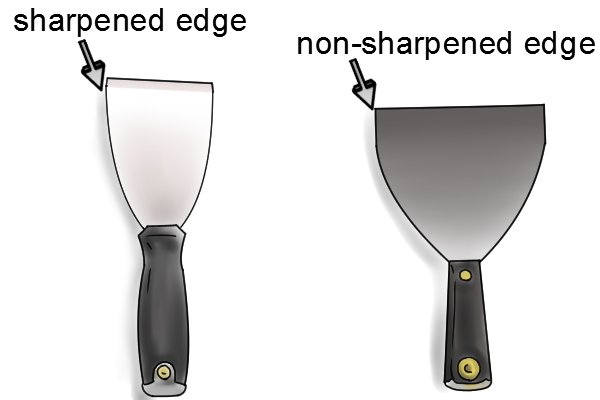
Some putty knives can be sharpened for scraping tasks. Joint knives generally do not require sharpening but should be inspected for bends or damage.
Repair tips:
- Straighten bent blades with gentle pressure.
- Replace handles if cracked or loose.
- Discard knives with chipped blades.
Example: Professional Maintenance Routine
A professional painter maintains a dedicated cleaning station for knives, ensuring blades are cleaned and oiled daily. This routine extends tool life and improves application quality (This Old House).
Real-world Examples And Case Studies
Examining how professionals and DIYers use joint and putty knives reveals best practices and common pitfalls.
Example: Commercial Drywall Installation
In a commercial office buildout, drywall crews used 12-inch joint knives to finish seams across 5,000 square feet. Efficient tool selection reduced labor costs by 15%, and minimized surface imperfections.
Example: Historic Home Restoration
During restoration of a historic home, contractors relied on putty knives to patch intricate woodwork and scrape old paint, preserving original details without damage.
Example: Diy Homeowner Patchwork
A homeowner repairing wall cracks after settling used both knives: the joint knife for broad mud application and the putty knife for tight corner patches. The result was a consistent, professional finish.
Case Study: Efficiency In Renovation
A renovation team reported that switching from a putty knife to a joint knife for large drywall patches reduced sanding time and improved surface smoothness, leading to faster project completion.
Joint Knife Vs Putty Knife: Data-driven Comparison
To clarify the differences and aid selection, a side-by-side comparison highlights key specifications and ideal uses.
| Criteria | Joint Knife | Putty Knife |
|---|---|---|
| Blade Width | 6, 12 inches | 1, 3 inches |
| Flexibility | Flexible | Rigid |
| Primary Use | Drywall finishing | Patching, scraping |
| Handle Length | Long, ergonomic | Short, compact |
| Material | Stainless/Carbon Steel | Stainless/Carbon Steel |
| Maintenance | Clean and inspect for bends | Clean and sharpen if needed |
| Price Range | $10, $30 | $7, $25 |
| Recommended Brands | Hyde, Stanley, Warner | Hyde, Stanley, Warner |
Frequently Asked Questions
What Is The Main Difference Between A Joint Knife And A Putty Knife?
The joint knife is designed for spreading and feathering drywall compound over large seams, while the putty knife is intended for patching small holes, scraping surfaces, and applying filler materials. The joint knife’s wide, flexible blade is suited for covering broad areas, whereas the putty knife’s narrow, rigid blade excels in detail work and scraping.
Can I Use A Putty Knife For Drywall Taping?
While it is technically possible to use a putty knife for drywall taping, it is not recommended. The narrow blade makes it difficult to feather edges and cover seams evenly. For optimal results, a joint knife with a wider blade should be used to ensure a smooth, seamless finish.
How Do I Clean And Maintain My Knives For Longevity?
After each use, rinse knives with warm water and mild detergent. For carbon steel blades, apply a light coating of oil to prevent rust. Store knives in a dry, ventilated area and inspect regularly for damage. Sharpen putty knives as needed for scraping tasks, and straighten joint knife blades if bent.
Are There Specialized Knives For Corners Or Tight Spots?
Yes, there are corner joint knives designed specifically for finishing inside corners in drywall. Flexible putty knives are also available for detail work in tight spots. Choosing specialized tools ensures precision and reduces the risk of damaging surfaces.
What Factors Should I Consider When Buying A Joint Or Putty Knife?
Key factors include blade width, flexibility, material (stainless or carbon steel), handle ergonomics, and brand reputation. Match the blade size to your task, select stainless steel for corrosion resistance, and prioritize comfort for extended use. Compare prices and read reviews to find reliable brands.
Selecting the right tool for finishing work can make all the difference between a flawless result and a frustrating experience. By understanding the distinct roles, designs, and techniques for both joint knives and putty knives, you’re equipped to approach any project with confidence.
Whether patching a small hole or feathering drywall seams, these tools are indispensable allies in achieving professional-quality finishes. Remember to care for your knives properly, choose based on task requirements, and leverage expert advice for the best outcomes.