
Electric fillet knives have changed how many people clean and prepare fish, making the process quicker and less tiring. But even the best electric fillet knife loses its edge over time. A dull blade not only makes filleting harder, but it can also damage the delicate meat of your catch and even increase your risk of injury.
Keeping your electric fillet knife blade sharp is not just about performance, it’s about safety and enjoying the best results from your hard work.
Many anglers and home cooks believe sharpening electric fillet knife blades is difficult or even impossible. Some think you must always buy new blades when they become dull. But with the right approach, tools, and care, you can restore sharpness and extend the lifespan of your electric fillet knife blades.
This guide will walk you through everything you need to know, from understanding blade types to detailed sharpening methods, maintenance, and troubleshooting. Whether you’re a beginner or just looking to improve your technique, you’ll find practical steps, examples, and insights that go beyond the basics.
Why Sharpness Matters For Electric Fillet Knives
A sharp blade is essential for clean, precise cuts. When filleting fish, you want to glide through flesh and around bones with minimal effort. A dull blade tears the meat, wastes good fillets, and makes the job frustrating. According to the American Society for Testing and Materials (ASTM), a sharper knife requires less force, reducing hand fatigue and lowering the risk of slipping accidents.
Another benefit is fish quality. A sharp electric fillet knife helps you keep more meat on the fillet and less on the bones. This matters for both professionals and home cooks who want the best yield from every fish.
Pro Tip: Regularly checking your blade’s sharpness saves you time and trouble. If the knife feels like it’s dragging or you notice ragged cuts, it’s time to sharpen.
Understanding Electric Fillet Knife Blade Types
Before you sharpen, you need to know what kind of blade you have. Electric fillet knife blades come in several styles, and sharpening technique can vary.
Common Blade Types
| Blade Type | Description | Sharpening Difficulty |
|---|---|---|
| Stainless Steel | Most common; resists rust and holds edge well. | Moderate |
| High Carbon Steel | Sharper edge, but more prone to rust. | Easy |
| Serrated | Toothed edge, designed for sawing through flesh and bone. | Challenging |
| Double-Bladed | Two blades move in opposite directions for faster cuts. | Moderate to Difficult |
Serrated blades are the most common for electric fillet knives, but some models use straight or mixed edges. Always check your owner’s manual for blade material and design. Some blades are removable, while others are fixed.
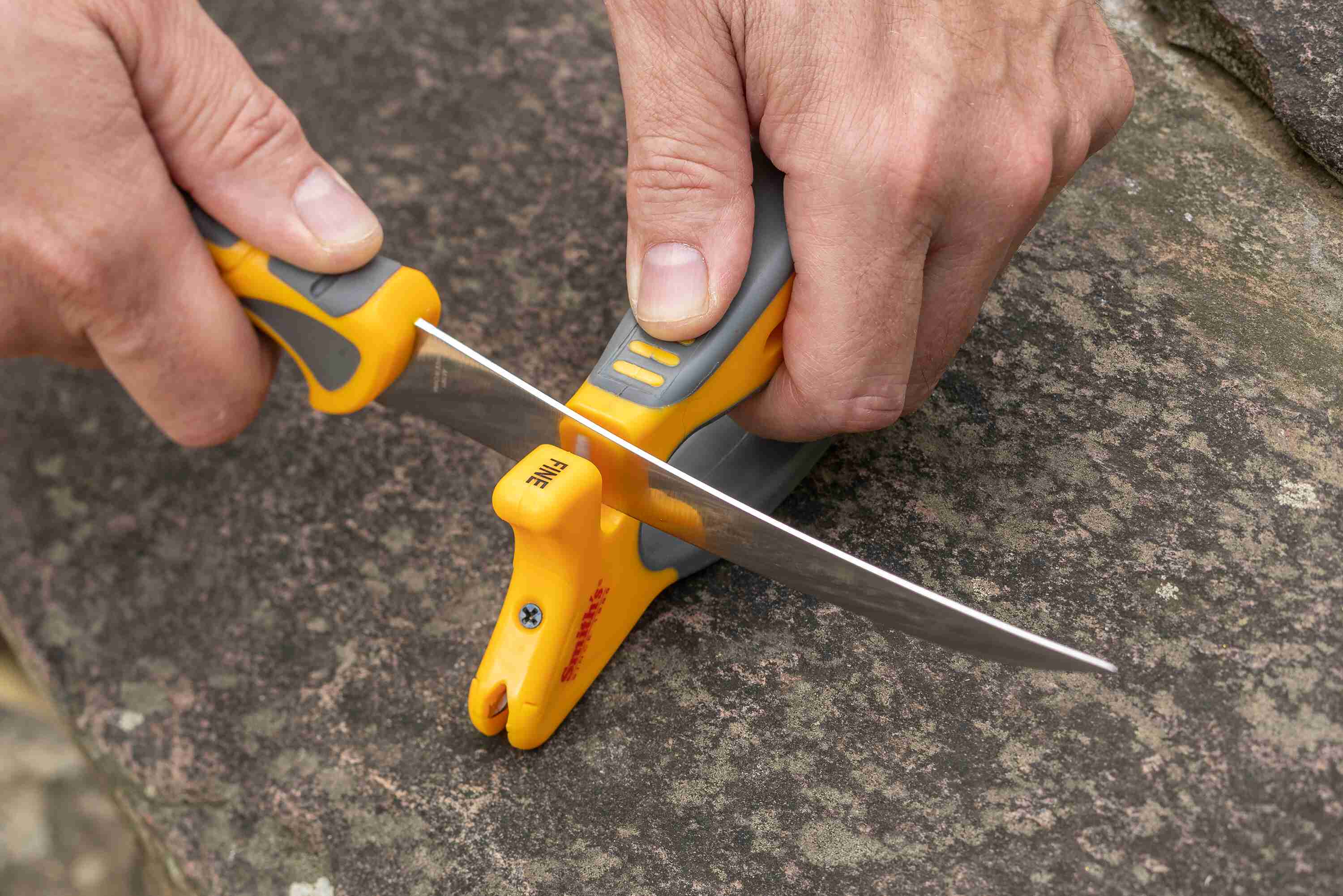
Credit: smithsproducts.com
Tools And Materials Needed For Sharpening
Having the right tools makes a huge difference in sharpening results. Here’s what you might need:
- Sharpening rod or steel: For quick touch-ups, especially for serrated blades.
- Diamond or ceramic sharpening rods: Work well for hard steels and serrations.
- Small round file: Fits inside serrated grooves.
- Bench stone or whetstone: Best for straight-edged blades.
- Cloth or towel: For cleaning.
- Protective gloves: To prevent accidental cuts.
- Mild soap and water: For cleaning blades before and after sharpening.
- Lubricant (mineral oil or water): For whetstones, if required.
Some electric fillet knife brands sell dedicated sharpening kits. While these can be helpful, you do not need a brand-specific kit unless recommended by the manufacturer.
Example: When I tested sharpening my Rapala electric fillet knife, I found that a ceramic sharpening rod worked much better than a basic metal steel, especially for keeping the serrations sharp.
Preparing Your Knife And Workspace
Before you start sharpening, proper preparation helps ensure both safety and effectiveness.
- Unplug the knife. Never sharpen an electric knife while it’s connected to power. Remove batteries if it’s a cordless model.
- Remove the blades. Most electric fillet knives allow you to take the blades out for cleaning and sharpening. Check the manual for instructions.
- Clean the blades. Wash off any fish residue, oil, or dirt. Dry completely to prevent rust and slippage.
- Set up on a stable surface. A non-slip mat or towel helps keep your workspace steady.
- Wear gloves. Blades can be sharp, even dull ones can cut during sharpening.
Warning: Never try to sharpen a blade that is still attached to the handle or power source. This can lead to serious injury.
How To Sharpen Electric Fillet Knife Blades: Step-by-step
The sharpening process depends on the blade type. Below are detailed instructions for both serrated and straight-edged blades.
Sharpening Serrated Electric Fillet Knife Blades
Serrated blades are effective for cutting fish but can be tricky to sharpen. Each serration (tooth) needs individual attention.
Step 1: Choose Your Tool
A small round file or diamond sharpening rod that matches the size of your blade’s serrations works best. If you use a rod that’s too large, you’ll damage the teeth.
Step 2: Work Tooth By Tooth
- Hold the blade steady.
- Insert the sharpening rod into the first groove (gullet).
- Match the angle of the original grind, usually 20, 25 degrees.
- Gently move the rod back and forth along the groove, using light pressure.
- Repeat for each serration along the blade.
Step 3: Address The Flat Side
Most serrated blades have one flat side and one beveled side. After sharpening the grooves, lay the flat side against a fine stone or use a strop to remove any burrs.
Step 4: Clean And Test
Wipe the blade clean. Test sharpness on a piece of paper or soft fish meat, if it slices smoothly, you’re done.
Pro Tip: Don’t oversharpen. Removing too much metal shortens blade life. Sharpen only when you notice real dullness.
Sharpening Straight-edged Electric Fillet Knife Blades
Some electric fillet knives come with straight blades or a mix of straight and serrated. Straight blades are simpler to sharpen.
Step 1: Select The Right Stone
Use a fine-grit whetstone or ceramic stone. If the blade is very dull, start with a medium grit and finish with fine.
Step 2: Set The Angle
Most fillet knives have a 15-20 degree angle. Hold the blade at this angle against the stone.
Step 3: Sharpen In One Direction
- Move the blade along the stone from heel to tip.
- Use gentle, even strokes.
- Repeat 8-10 times on one side, then switch to the other.
Step 4: Finish And Test
Wipe off the blade. Test by slicing through paper or a tomato. A sharp knife should cut easily without pushing.
Example: On my Bubba electric fillet knife, maintaining a 17-degree angle kept the blade sharper for longer and required less frequent touch-ups.
Sharpening Frequency: How Often Is Enough?
How often should you sharpen your electric fillet knife blade? This depends on:
- How much you use it: Daily use may need weekly sharpening; occasional use may only require touch-ups every few months.
- Type of fish: Filleting thick-skinned or bony fish dulls blades faster.
- Blade material: High-carbon steel dulls faster than stainless but is easier to sharpen.
As a rule, check sharpness every 2, 3 uses. Light honing with a rod between sharpenings can extend the time between full sharpening sessions.
Signs Your Electric Fillet Knife Blade Needs Sharpening
Knowing when to sharpen is just as important as knowing how. Watch for these signs:
- Tearing instead of slicing: The blade rips fish rather than making clean cuts.
- Increased effort: You need more force to cut through meat.
- Visible nicks or dents: Damage along the edge.
- Difficulty following bones: The blade doesn’t glide smoothly along fish bones.
If you see any of these, it’s time to sharpen.
Maintenance Tips For Longer Blade Life
Keeping your blade sharp is easier with good maintenance habits. Here are some best practices:
- Clean immediately after use. Fish oils and scales can cause corrosion.
- Dry thoroughly. Even stainless steel can rust if left wet.
- Store safely. Use blade covers or a sheath to protect the edge.
- Avoid cutting hard bones or frozen fish. This chips the blade.
- Lubricate moving parts. If your knife has a mechanism, a drop of mineral oil keeps it running smoothly.
Example: I always rinse my blades with warm water and dry them before storage. This small habit has doubled the life of my electric fillet knife blades.
Common Mistakes To Avoid
Even experienced users sometimes make sharpening mistakes. Here are pitfalls to watch out for:
- Wrong angle: Too steep or too shallow can dull or damage the edge.
- Using the wrong tool: A flat stone on a serrated blade, or a coarse file on a fine edge, can ruin the blade.
- Sharpening too often: Over-sharpening wears out blades quickly.
- Skipping cleaning: Sharpening a dirty blade grinds debris into the edge.
- Forcing the blade: Heavy pressure can bend or break delicate teeth.
Comparing Sharpening Tools For Electric Fillet Knife Blades
Choosing the right sharpening tool can be confusing. Here’s a quick comparison to help you decide:
| Tool | Best For | Pros | Cons |
|---|---|---|---|
| Sharpening Rod | Quick touch-ups, serrated blades | Portable, easy to use | Not for full re-sharpening |
| Diamond/Ceramic Rod | Hard steels, serrations | Very effective, long-lasting | More expensive |
| Small Round File | Serrated grooves | Precision sharpening | Slow process |
| Whetstone | Straight blades | Versatile, fine finish | Requires practice |
| Electric Sharpener | Quick, even sharpening | Fast, consistent | May not fit all blade sizes; not ideal for serrated |
Pro Tip: For most users, a diamond sharpening rod and a fine whetstone will cover almost all needs. Specialty tools are only needed for very unique blades.
Troubleshooting: When Sharpening Doesn’t Work
Sometimes, even after sharpening, your electric fillet knife doesn’t cut as expected. Here are possible reasons:
- Blade is too worn: If you see deep chips or missing teeth, replacement may be the only option.
- Improper angle used: Try adjusting the sharpening angle and repeating the process.
- Blade material is too soft: Low-quality blades lose their edge quickly and may not hold sharpness long.
- Sharpening too aggressively: This can create a burr or roll the edge. Use lighter pressure and finish with a strop if possible.
If repeated sharpening fails, it’s time to invest in a new blade or consult the manufacturer for advice.
When To Replace Your Electric Fillet Knife Blade
Sharpening is not always the answer. Here are signs that you need a new blade:
- Cracks or severe bends: These are dangerous and can’t be fixed.
- Missing teeth (for serrated blades): Reduces cutting ability.
- Blade is too thin from repeated sharpening: At this point, sharpening won’t restore performance.
- Corrosion or rust that doesn’t clean off: Compromises strength and safety.
Most brands offer replacement blades that fit your electric fillet knife model. It’s a small investment compared to the risk of using a damaged blade.

Credit: www.youtube.com
Safety Tips For Sharpening And Using Electric Fillet Knives
Your safety comes first. Always follow these precautions:
- Unplug or remove batteries before handling blades.
- Use a stable, non-slip surface to prevent slips.
- Wear cut-resistant gloves for extra protection.
- Store blades safely, never loose in a drawer.
- Keep out of reach of children.
Warning: Electric fillet knife blades are sharper than they look. Never test sharpness with your finger; use paper or food instead.
Professional Sharpening Services: Are They Worth It?
If sharpening feels overwhelming or you’re unhappy with your results, professional services are an option. Many outdoor stores, tackle shops, and specialty knife retailers offer blade sharpening.
Pros:
- Consistent, expert results
- Time-saving
- Can handle damaged or specialty blades
Cons:
- Cost adds up over time
- Not always convenient if you live far from a service
- Some services may not handle electric knife blades
For most users, learning basic sharpening skills is more cost-effective, but professionals can help with very expensive or hard-to-replace blades.
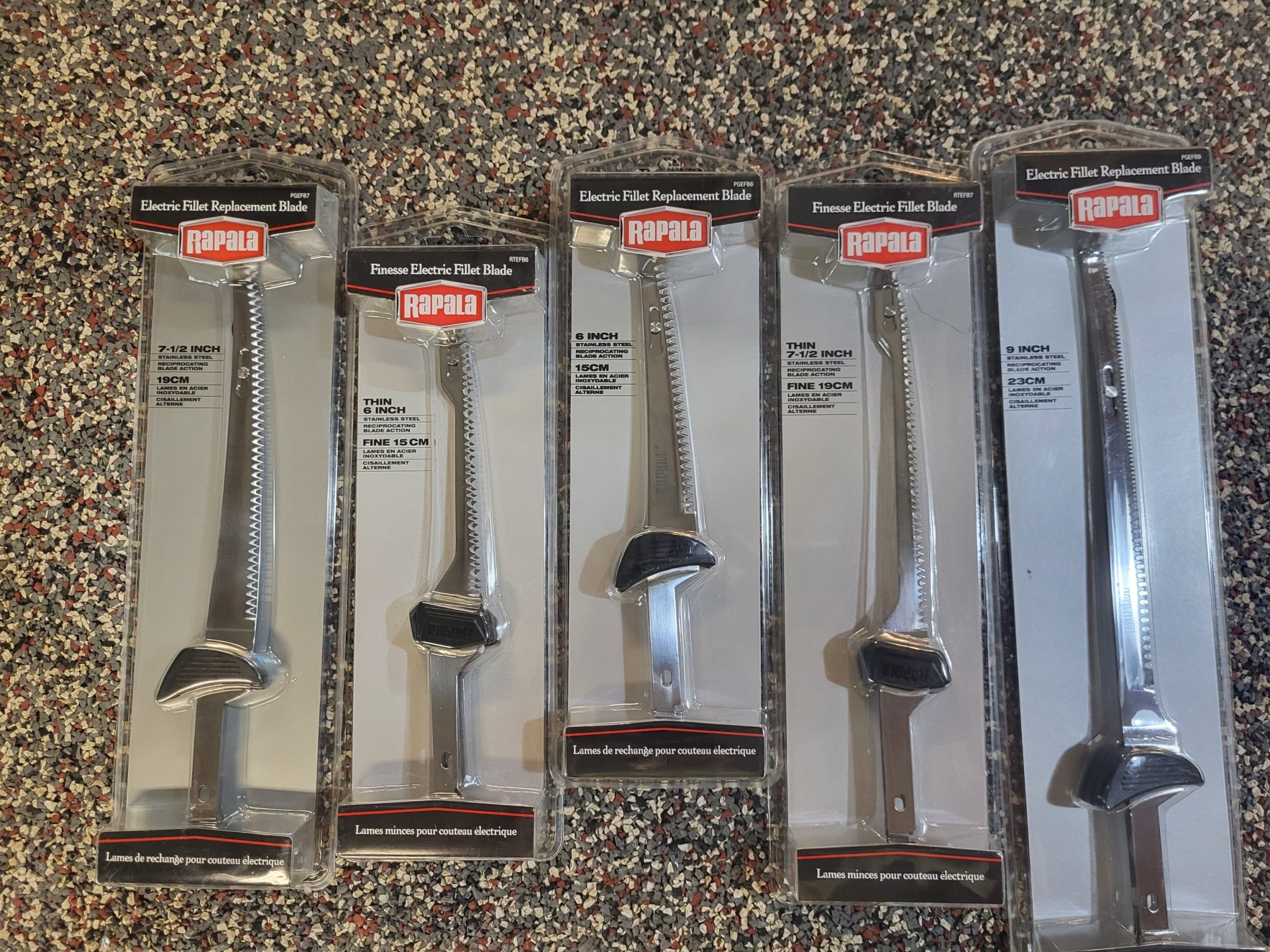
Credit: midwestoutdoors.com
Environmental Impact: Replacing Vs. Sharpening Blades
Sharpening your electric fillet knife blade is not just good for your wallet. It also reduces waste. Throwing away blades adds to landfill and resource use. By maintaining and sharpening, you extend the life of your tools and reduce your environmental footprint.
According to the US Environmental Protection Agency, extending the lifespan of tools and appliances is a key way to reduce household waste (EPA).