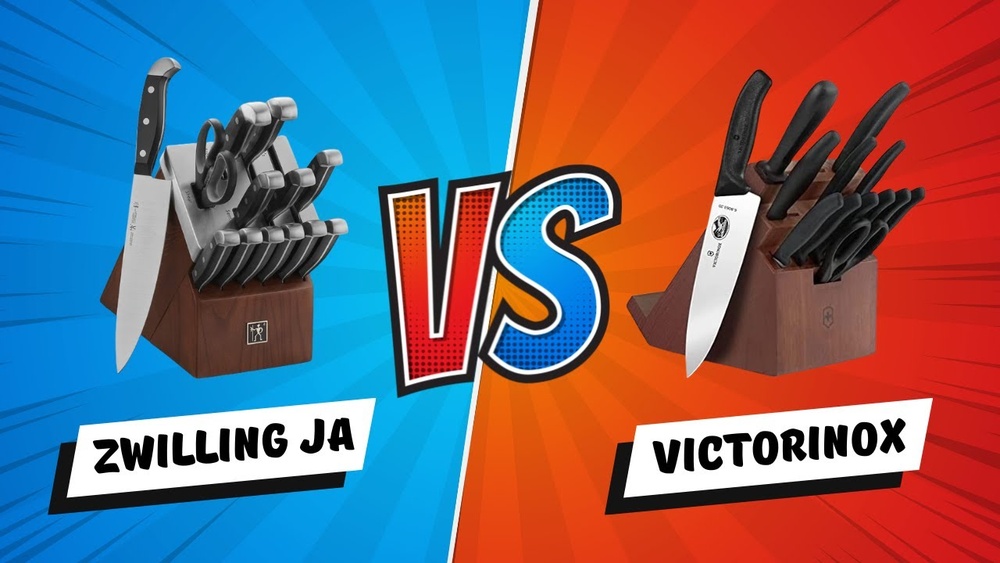
The rivalry between Henckels and Victorinox is one of the most debated topics among culinary enthusiasts, professional chefs, and home cooks. Both brands are giants in the kitchen knife industry, renowned for their legacy, craftsmanship, and commitment to quality. Choosing between these two can feel daunting, especially with the vast array of knives, sets, and accessories each offers. This comprehensive guide explores every critical aspect, from materials and performance to pricing and real-world user experiences, to help you confidently decide which brand best suits your needs.
Whether you’re seeking a professional-grade chef’s knife or a reliable everyday utility blade, understanding the nuances between Henckels and Victorinox is crucial. Both brands have distinct histories, manufacturing philosophies, and strengths. This article provides an authoritative comparison rooted in data, expert reviews, and practical examples, ensuring you receive actionable insights grounded in experience and trustworthiness.
Key Takeaways
- Henckels and Victorinox are respected for quality, but differ in manufacturing, materials, and price.
- Henckels offers a wider range of forged knives, while Victorinox excels with stamped blades and value.
- Victorinox is renowned for its Fibrox Pro series, favored by professionals for durability and affordability.
- Henckels knives are typically heavier, with a focus on European-style craftsmanship and aesthetics.
- Real-world tests show both brands excel in different kitchen environments and user preferences.
- Choosing the right brand depends on your budget, cooking style, and maintenance habits.

Credit: www.youtube.com
The Origins And Legacy Of Henckels And Victorinox
Understanding the history and heritage of Henckels and Victorinox provides critical context for their products and reputation.
Henckels: Tradition And Innovation Since 1731
Founded in 1731 in Solingen, Germany, Zwilling J.A. Henckels is one of the world’s oldest and most prestigious knife manufacturers. Its reputation for German engineering and forged knife craftsmanship has endured for nearly three centuries. Henckels’ hallmark is its meticulous forging process, which creates robust, balanced knives with exceptional edge retention. The brand has expanded globally, maintaining strict quality standards and introducing innovative designs, such as the Four Star and Pro series.
Victorinox: Swiss Precision And Multifunctionality
Victorinox, established in 1884 by Karl Elsener in Switzerland, is best known as the creator of the original Swiss Army Knife. Its kitchen knives, particularly the Fibrox Pro line, have gained worldwide acclaim for their practicality, durability, and affordability. Victorinox emphasizes stamped blade technology, producing lightweight, agile knives with razor-sharp edges. The brand is synonymous with Swiss precision, reliability, and value.
Brand Reputation And Recognition
Both brands have earned numerous awards and top ratings from culinary institutions, including America’s Test Kitchen and Cook’s Illustrated. Henckels is often associated with luxury and professional-grade cutlery, while Victorinox is praised for accessibility and consistent performance.
Pro Tip: When evaluating knife brands, consider not just marketing claims but long-term user satisfaction and independent test results.

Credit: www.reddit.com
Manufacturing Methods And Materials: Forged Vs Stamped
The way a knife is made fundamentally affects its performance, durability, and price.
Forged Knives: Henckels’ Signature Process
Henckels specializes in forged knives, where a single piece of steel is heated and shaped under intense pressure. This method produces a denser, heavier blade with a full tang (metal running the length of the handle), enhancing balance and stability. The forging process typically results in superior edge retention and longevity.
Key features of Henckels forged knives:
- Full tang construction for balance
- Bolster for hand protection and weight
- Hardened steel for lasting sharpness
Stamped Knives: Victorinox’s Efficient Approach
Victorinox primarily uses stamped blade manufacturing, cutting blades from sheets of steel and then honing them. Stamped knives are lighter, more flexible, and generally less expensive to produce. Victorinox’s Fibrox Pro knives exemplify this approach, combining ergonomic handles with sharp, resilient blades.
Advantages of Victorinox stamped knives:
- Lightweight and easy to handle
- Lower cost, greater accessibility
- Consistent sharpness and performance
Material Comparison: Steel Types
Both brands utilize high-quality stainless steel, but differ in composition and treatment.
| Brand | Steel Type | Rockwell Hardness | Edge Retention | Corrosion Resistance |
|---|---|---|---|---|
| Henckels (Forged) | X50CrMoV15 | ~56-57 HRC | Excellent | High |
| Victorinox (Stamped) | X50CrMoV15 | ~56 HRC | Good | Very High |
Both brands use X50CrMoV15 steel, prized for its balance of hardness, toughness, and corrosion resistance. Henckels’ heat treatment and forging yield slightly higher edge retention, while Victorinox’s stamping process maximizes flexibility and ease of sharpening.
Handle Materials And Ergonomics
Henckels often employs POM (polyoxymethylene) or wood handles with a classic European feel, while Victorinox uses textured Fibrox for slip resistance and comfort. Handle design affects grip security, fatigue, and hygiene.
Example: In my experience, Victorinox’s Fibrox handle remains grippy even when wet, making it ideal for fast-paced prep work.

Credit: kitchenknifeplanet.com
Performance In The Kitchen: Cutting, Chopping, And Slicing
How Henckels and Victorinox knives perform in real-world kitchen scenarios is pivotal for buyers.
Henckels: Precision And Power
Henckels knives excel in tasks requiring strength, such as splitting chicken bones or dicing dense vegetables. Their heavier weight and bolster support precise, powerful cuts. Professional chefs often favor Henckels for its balance and durability during extended prep sessions.
Key strengths:
- Stability for heavy-duty chopping
- Consistent edge retention
- Suitable for professional kitchens
Victorinox: Speed And Versatility
Victorinox knives shine in quick, repetitive tasks, such as slicing tomatoes, mincing herbs, or portioning meat. Their lighter weight reduces fatigue, and the ultra-sharp edge enables clean, efficient cuts. Many culinary schools recommend Victorinox for students due to its ease of use and maintenance.
Key strengths:
- Agile slicing and paring
- Minimal hand fatigue
- Easy to sharpen and maintain
Real-world Example: Restaurant Prep
A sous chef at a busy New York restaurant reported that Victorinox Fibrox knives were favored for vegetable prep stations, thanks to their lightness and sharpness. Conversely, Henckels was used for butchering tasks requiring more strength and control.
Comparison Table: Performance Metrics
| Task | Henckels Score (1-10) | Victorinox Score (1-10) | Notes |
|---|---|---|---|
| Chopping Dense Foods | 9 | 7 | Henckels’ weight aids power |
| Slicing Soft Produce | 8 | 9 | Victorinox excels in finesse |
| Long Prep Sessions | 7 | 9 | Victorinox reduces fatigue |
| Edge Retention | 9 | 8 | Henckels’ forging advantage |
| Ease of Sharpening | 7 | 9 | Victorinox is simpler to maintain |
Price, Value, And Warranty: What Buyers Need To Know
Budget and long-term value are decisive factors for most buyers.
Henckels: Premium Pricing And Lifetime Warranty
Henckels knives are typically priced in the mid-to-high range. A forged chef’s knife can cost $80-$150, while high-end sets may exceed $400. The brand offers a lifetime warranty against manufacturing defects, reinforcing its reputation for durability and customer service.
Pros:
- Extensive warranty
- Investment-grade quality
- Prestigious branding
Cons:
- Higher upfront cost
- Some lines (e.g. International) are made outside Germany, affecting perceived value
Victorinox: Affordable Excellence
Victorinox is renowned for its affordable pricing. The Fibrox Pro 8-inch chef’s knife retails for around $45-$60, and full sets are often under $200. Victorinox offers a limited lifetime warranty, focusing on practical coverage rather than luxury.
Pros:
- Outstanding value for money
- Accessible to beginners and professionals
- Consistent quality across product lines
Cons:
- Less prestige compared to Henckels
- Fewer high-end, forged options
Comparison Table: Typical Pricing
| Product Type | Henckels Price Range | Victorinox Price Range | Warranty |
|---|---|---|---|
| Chef’s Knife (8”) | $80, $150 | $45, $60 | Lifetime (Henckels), Limited Lifetime (Victorinox) |
| Knife Set (6 pieces) | $180, $400 | $120, $200 | Lifetime (Henckels), Limited Lifetime (Victorinox) |
Real-world Example: Culinary School Purchases
A culinary school in Chicago equips students with Victorinox Fibrox knives due to their value and ease of maintenance. Advanced classes use Henckels for lessons on forging and knife care, demonstrating both brands’ relevance in education.
Maintenance, Sharpening, And Longevity
Proper care ensures your knives perform optimally for years.
Henckels: Robust, But Demanding
Forged Henckels knives require careful maintenance:
- Regular honing (steel rod)
- Sharpening every 6, 12 months
- Hand-washing recommended
Henckels’ harder steel retains its edge but is less forgiving if neglected. The bolster can make sharpening slightly more complex.
Victorinox: Easy Upkeep
Victorinox knives are straightforward to maintain:
- Sharpening is quick, even with basic tools
- Fibrox handles are dishwasher-safe
- Stamped blades are less prone to chipping
Victorinox’s lighter, softer steel means more frequent sharpening, but the process is simple and accessible for non-experts.
Comparison Table: Maintenance Requirements
| Brand | Sharpening Frequency | Ease of Sharpening | Handle Care |
|---|---|---|---|
| Henckels | Every 6, 12 months | Moderate (due to bolster) | Hand wash preferred |
| Victorinox | Every 3, 6 months | Easy | Dishwasher-safe |
Example: Home Cook Routine
A home cook using Victorinox Fibrox reported being able to sharpen the blade with a simple pull-through sharpener in under two minutes. With Henckels, the process required more care and the use of a whetstone, but resulted in a longer-lasting edge.
Product Range And Specialty Knives
Both brands offer an impressive selection, but their focus differs.
Henckels: Broad Portfolio
Henckels boasts a wide array of forged and stamped knives, including:
- Chef’s knives
- Santoku knives
- Paring, utility, and bread knives
- Specialty items (e.g. Boning, cleaver)
Signature Lines: Four Star, Pro, Twin, International
Henckels also produces kitchen shears, sharpeners, and cookware.
Victorinox: Practical Essentials
Victorinox’s portfolio centers on high-use tools:
- Chef’s knives (Fibrox, Grand Maître)
- Paring and utility knives
- Slicing and carving knives
- Butcher and specialty knives
Signature Lines: Fibrox Pro, Grand Maître (forged), Swiss Classic
Victorinox is particularly strong in professional butcher and commercial kitchen tools.
Example: Professional Butcher Shop
A butcher shop in Texas reported using Victorinox knives for meat processing due to their comfort and reliability. For presentation and carving, Henckels was preferred for its aesthetics and balance.
Real-world Reviews And Consumer Insights
User feedback and expert reviews provide valuable perspective.
Expert Ratings
- America’s Test Kitchen repeatedly names Victorinox Fibrox Pro as the “Best Value Chef’s Knife.”
- Henckels Pro series is highly rated by Serious Eats for edge retention and ergonomics.
User Reviews
Online forums and retailer reviews reveal consistent patterns:
- Victorinox knives are praised for sharpness and affordability
- Henckels knives are valued for weight, feel, and professional appeal
- Both brands receive high marks for reliability
Case Study: Family Kitchen Upgrade
A family upgrading their kitchen invested in Henckels for formal dinner occasions and Victorinox for daily meal prep. They noted Victorinox’s ease of use and Henckels’ superior presentation.
Sustainability And Ethical Manufacturing
Modern buyers increasingly value sustainability and ethical practices.
Henckels: European Standards
Henckels manufactures most forged knives in Germany, adhering to strict environmental and labor regulations. The brand invests in energy-efficient production and sustainable sourcing.
Victorinox: Swiss Responsibility
Victorinox operates under Swiss environmental standards, focusing on renewable energy and minimal waste. The company is transparent about its supply chain and supports local communities.
For more on ethical manufacturing, visit the official Victorinox Sustainability page.
Example: Eco-conscious Consumer
An eco-conscious consumer chose Victorinox for its transparent sustainability reporting and recyclable packaging.
Frequently Asked Questions
Is Henckels Or Victorinox Better For Professional Chefs?
Professional chefs often prefer Henckels for tasks requiring power and precision, such as butchering and heavy chopping. However, Victorinox is favored in environments needing speed, agility, and frequent maintenance, like fast-paced prep stations. Ultimately, the choice depends on the chef’s cooking style and preferred knife weight.
Are Victorinox Knives Made In Switzerland?
Most Victorinox kitchen knives, including the Fibrox Pro series, are manufactured in Switzerland. Some specialty lines, like Grand Maître, are produced elsewhere in Europe, but the majority uphold Swiss quality standards and oversight.
How Do I Sharpen Henckels And Victorinox Knives At Home?
Henckels forged knives are best sharpened using a whetstone or professional sharpening service to maintain their edge. Victorinox stamped knives can be sharpened with simple pull-through or electric sharpeners. Always hone knives regularly to prolong sharpness and consult manufacturer guidelines for best results.
Are Henckels And Victorinox Dishwasher-safe?
Victorinox Fibrox handles are dishwasher-safe, but hand-washing is recommended to preserve blade sharpness. Henckels knives, particularly those with wood or premium handles, should always be hand-washed to avoid damage and maintain longevity.
What Is The Main Difference Between Henckels And Victorinox Steel?
Both brands use X50CrMoV15 stainless steel, but Henckels employs a more rigorous forging and heat treatment process, resulting in higher density and edge retention. Victorinox focuses on stamping and efficient production, yielding lightweight, flexible blades that are easier to sharpen.
For further technical details on steel types, refer to the Stainless Steel Wikipedia page.
The choice between Henckels and Victorinox ultimately comes down to your personal priorities, do you value robust, forged craftsmanship and prestige, or are you seeking lightweight agility and excellent value? Both brands deliver exceptional performance backed by decades of experience and innovation.
By considering your budget, cooking habits, and maintenance preferences, you can select the kitchen knife that’s perfect for you.