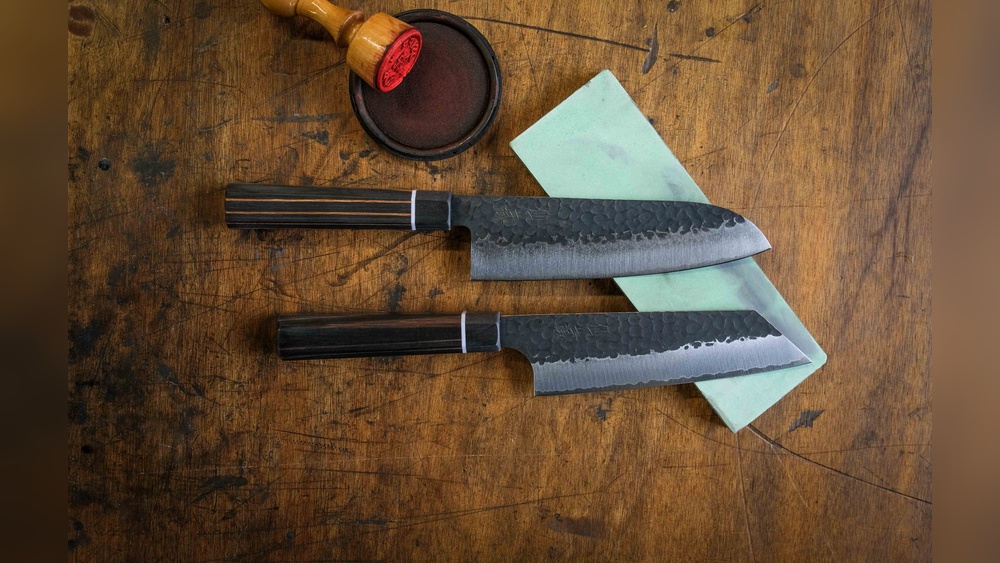
Japanese kitchen knives have become synonymous with precision, artistry, and superior performance in both professional and home kitchens. Among the most celebrated are the Bunka knife and the Santoku knife, two multi-purpose blades that have surged in popularity for their unique shapes and versatile uses. While they might appear similar at first glance, each knife carries distinct characteristics, histories, and optimal applications. For cooks aiming to elevate their culinary skills, understanding the subtle yet significant differences between these two knives can make all the difference in daily food preparation.
Choosing the right knife is not just about sharpness or brand; it’s about matching the tool to your cooking style and needs. The Bunka and Santoku represent the intersection of tradition and innovation, offering a blend of Japanese craftsmanship and functional design. This article provides a comprehensive, data-driven comparison of these knives, supported by expert opinions, real-world examples, and actionable advice. Whether you’re a seasoned chef or a passionate home cook, you’ll discover which knife deserves a place on your cutting board, and why.
Key Takeaways
- Bunka knives feature a distinctive “k-tip” and excel in precise, detailed work as well as general prep.
- Santoku knives are renowned for their rounded tip and balanced, all-purpose performance.
- Each knife offers unique ergonomics, blade geometry, and best-use scenarios.
- Material, price, and maintenance requirements differ significantly between the two.
- Case studies and expert insights help guide the best choice for your kitchen needs.

Credit: oishya.com
The Origins And Design Philosophy Of Bunka And Santoku Knives
Understanding the backstory and intent behind a knife’s design is essential for appreciating its strengths and limitations. The Bunka and Santoku have roots in Japanese culinary tradition, but each emerged to address different demands.
The Bunka Knife: Tradition Meets Innovation
The Bunka knife originated as a response to the need for a versatile, all-purpose kitchen blade with the ability to handle both Western and Japanese ingredients. Its most prominent feature is the “k-tip” or reverse tanto tip, a sharp, angled point that facilitates intricate work such as scoring fish, mincing garlic, or making decorative cuts.
Unlike some traditional Japanese knives that focus on a single task, the Bunka was designed for flexibility. It typically measures 165, 180mm (6.5, 7 inches) in blade length, with a tall profile and a flat edge that transitions into the pointed tip. This combination allows for easy push cuts, rocking motions, and precise tip work.
The Santoku Knife: The True All-rounder
The Santoku knife, which translates to “three virtues”, was developed in the mid-20th century as a general-purpose kitchen knife. Its name refers to the three main tasks it excels at: slicing, dicing, and mincing. The Santoku is characterized by its sheep’s foot blade (a rounded front edge), a gentle curve, and a flat cutting edge that is slightly shorter than a typical chef’s knife.
Measuring around 165mm (6. 5 inches), the Santoku offers a balance between control and cutting power. Its flat edge makes full contact with the cutting board, reducing the need for a rocking motion and making it ideal for straight-down chopping.
Design Philosophy Comparison
The Bunka and Santoku reflect the Japanese philosophy of functional beauty, tools that are both aesthetically pleasing and highly effective. The Bunka’s pointed tip provides an edge in detail-oriented tasks, while the Santoku’s broader blade accommodates a wide range of daily prep work.
Blade Shape, Geometry, And Performance
A knife’s performance is dictated by its geometry, the thickness, profile, and grind of the blade, all of which affect slicing, chopping, and precision tasks.
Bunka Knife Blade Characteristics
- Reverse Tanto Tip: The sharply angled tip enables intricate work, making the Bunka ideal for tasks like trimming meat, deveining shrimp, or making decorative garnishes.
- Blade Height: The tall blade provides ample knuckle clearance, which is useful during repetitive chopping.
- Flat Edge Profile: The straight edge is optimized for push and pull cuts, offering clean slices with minimal effort.
Santoku Knife Blade Characteristics
- Sheep’s Foot Tip: The rounded, blunt tip of the Santoku is safer for rapid prep and reduces the risk of piercing ingredients unintentionally.
- Flatter Edge: The nearly flat edge makes full contact with the board, ensuring efficient chopping and dicing.
- Slight Curvature: The gentle belly allows for a limited rocking motion, making the Santoku versatile for Western and Japanese cutting techniques.
Data-driven Comparison Table
Below is a side-by-side comparison of the most critical geometry and performance aspects:
| Feature | Bunka Knife | Santoku Knife |
|---|---|---|
| Tip Style | Reverse tanto (k-tip) | Sheep’s foot (rounded) |
| Blade Length | 165, 180 mm | 165 mm (standard) |
| Edge Profile | Flat, minimal curve | Flat with slight belly |
| Best For | Detail work, push/pull cuts | Chopping, mincing, slicing |
| Knuckle Clearance | High | Moderate |
Example: Slicing Herbs
In my experience, when finely mincing parsley or chives, the Bunka’s sharp tip allows for clean, precise cuts without bruising the herbs. The Santoku, however, shines when prepping a large bunch, its flat edge and wider blade make rapid, repetitive chopping comfortable and efficient.
Pro Tip:
If you frequently prepare sushi or perform tasks that require intricate tip work, the Bunka’s k-tip can provide a distinct advantage over the Santoku.
Credit: www.reddit.com
Material Choices, Durability, And Maintenance
The material and construction of a kitchen knife significantly influence its performance, longevity, and required upkeep. Both the Bunka and Santoku can be found in a variety of steels and handle materials, but there are notable trends and considerations.
Common Blade Materials
- High-Carbon Stainless Steel: Offers a balance of sharpness retention, corrosion resistance, and ease of maintenance.
- VG-10: A popular Japanese steel found in premium knives, known for holding a keen edge.
- Blue/White Carbon Steel: Traditional Japanese steels that take an extremely sharp edge but require diligent care to avoid rust.
Bunka Knife: Materials And Durability
Most Bunka knives are crafted from high-carbon or specialty Japanese steels, with some offering layered Damascus patterns for both aesthetics and performance. These blades can be razor-sharp but may require more frequent honing and careful cleaning to prevent corrosion.
- Durability: High, though the pointed tip can be more prone to chipping if used improperly.
- Maintenance: Regular hand washing, drying, and occasional oiling for carbon steel models.
Santoku Knife: Materials And Durability
Santokus are widely available in stainless steel, making them more resistant to rust and stains. Entry-level versions may use softer steels, while higher-end Santokus feature advanced alloys with a hardened core for long-lasting sharpness.
- Durability: Generally robust, with a tip less likely to chip due to its rounded profile.
- Maintenance: Low to moderate; stainless models are more forgiving, but all should be washed and dried promptly.
Handle Materials
Both knives offer a range of handles, from traditional wa-style (octagonal or D-shaped wood) to Western-style (full-tang, riveted) designs. The choice affects grip comfort and aesthetics but not the blade’s performance directly.
Example: Home Cook Maintenance
A home cook who prefers minimal upkeep will find a stainless steel Santoku easier to care for. However, those who appreciate the beauty of patina and sharper edges may opt for a high-carbon Bunka, accepting the extra maintenance.

Credit: zahocho.com
Ergonomics, Comfort, And User Experience
A knife’s ergonomics can make a significant difference during extended prep sessions, reducing fatigue and improving safety.
Bunka Knife Ergonomics
- Balance Point: Typically balanced toward the blade, offering a “forward-heavy” feel that assists with controlled slicing.
- Handle Shape: Often uses traditional Japanese octagonal or D-shaped handles, which can feel unusual to Western users at first but provide excellent control.
- Blade Height: The tall blade offers generous knuckle clearance, making it comfortable for users with larger hands or during repetitive chopping.
Santoku Knife Ergonomics
- Balance Point: Generally more centered, offering a “neutral” balance that feels natural for most users.
- Handle Shape: Available in both Japanese and Western styles, accommodating a wide range of grip preferences.
- Blade Width: Slightly less tall than a Bunka, but still offers adequate clearance for most tasks.
Data Table: Ergonomic Features
| Feature | Bunka Knife | Santoku Knife |
|---|---|---|
| Balance | Blade-forward | Neutral/centered |
| Handle Style | Wa (octagonal/D-shape) | Wa or Western |
| Knuckle Clearance | High | Moderate |
| Fatigue Level (Long Use) | Low to moderate | Low |
Example: Professional Kitchen Scenario
In a professional kitchen, chefs may prep hundreds of ingredients daily. Here, the Santoku’s neutral balance and ergonomic handle design often result in less fatigue over long shifts, while the Bunka may be preferred for tasks demanding tip precision.
Pro Tip:
Try handling both knives in-store or borrowing them from friends before purchasing. Comfort and control are highly subjective, what feels perfect for one cook may feel awkward to another.
Best Uses And Ideal Users: Matching Knife To Task
Choosing between a Bunka and a Santoku is best done by considering your primary kitchen tasks and cooking style.
Bunka Knife: Best Use Cases
- Detail-Oriented Tasks: The k-tip excels at tasks like trimming fat, scoring proteins, and fine garnishes.
- Vegetable Prep: The tall blade and flat edge make it excellent for slicing, dicing, and push cuts on vegetables.
- Fish and Meat: Precise tip control aids in delicate work such as filleting small fish or deveining shrimp.
Santoku Knife: Best Use Cases
- General Prep: Slicing, dicing, and mincing vegetables, fruits, and proteins.
- Home Cooking: The all-around design suits most everyday kitchen tasks without specializing too narrowly.
- Chopping Herbs: The flat edge makes quick work of leafy herbs, onions, and garlic.
Real-world Example: The Home Cook Vs. The Chef
A home cook who prepares a wide variety of dishes but rarely needs intricate tip work will likely prefer the Santoku’s versatility. Conversely, a chef or enthusiast who values detailed knife work and presentation may find the Bunka’s k-tip indispensable.
Bullet List: Ideal Users
- Choose a Bunka if you:
- Enjoy decorative garnishing or intricate prep.
- Prefer a knife with high knuckle clearance and a forward balance.
- Are comfortable with traditional Japanese handle styles.
- Choose a Santoku if you:
- Want a general-purpose blade for all daily tasks.
- Prefer a safer, rounded tip.
- Like a knife with a familiar, neutral balance.
Price, Availability, And Value Analysis
The cost and accessibility of Bunka and Santoku knives can vary widely, depending on factors like brand, materials, and craftsmanship.
Bunka Knife Pricing And Value
- Range: $70, $300+ for high-quality Japanese brands.
- Availability: Less common in Western stores; often found via specialty retailers or direct from Japanese makers.
- Value: Offers unique features and aesthetics, but may carry a premium price due to lower production volume.
Santoku Knife Pricing And Value
- Range: $30, $250, covering entry-level to high-end models.
- Availability: Widely available in both Japanese and Western markets.
- Value: Offers excellent utility and performance for the price, with many budget-friendly options.
Comparative Pricing Table
| Knife Type | Entry-Level Price | Premium Price | Availability |
|---|---|---|---|
| Bunka | $70 | $300+ | Specialty retailers |
| Santoku | $30 | $250 | Widely available |
Example: First-time Japanese Knife Buyer
A first-time buyer on a budget will find more options and lower entry prices with the Santoku. The Bunka, while an excellent investment, may be harder to source and pricier due to artisanal production.
Pro Tip:
When purchasing Japanese knives online, look for authorized retailers and reviews. Reputable sources like Japanese Knife Imports offer expert advice and authentic products.
Expert Opinions And Comparative Insights
Feedback from professional chefs, knife reviewers, and culinary educators can add valuable context to the Bunka vs. Santoku debate.
Chef Insights
Renowned chefs often emphasize matching knife choice to the task. According to chef interviews in Serious Eats, the Santoku is a go-to for “everyday slicing and dicing,” while the Bunka is favored for “precision plating and protein trimming.”
Knife Reviewer Analysis
Knife experts from sites like Knife Informer highlight the Bunka’s versatility for adventurous cooks who like trying new techniques. In contrast, they recommend the Santoku for beginners due to its forgiving edge and user-friendly design.
Culinary Educator Commentary
In culinary schools, instructors frequently start students with a Santoku to develop proper cutting techniques before introducing more specialized knives like the Bunka.
Case Study: Professional Kitchen Adoption
A high-end sushi restaurant in New York equipped its prep team with both Bunkas and Santokus. Chefs reported that the Bunka’s k-tip improved efficiency for decorative garnishes and intricate fish work, while Santokus remained the workhorses for vegetable and protein prep.
Pro Tip:
If your kitchen already includes a Western chef’s knife, the Bunka adds more variety and precision. If you’re assembling your first set, the Santoku provides a reliable, all-purpose foundation.
Care, Sharpening, And Longevity
Proper maintenance ensures your investment in a quality knife pays dividends for years. Both Bunka and Santoku knives require attention, but their needs differ based on steel type and blade geometry.
Cleaning And Storage
- Hand Wash Only: Never put high-quality knives in the dishwasher. Hand wash with mild soap, rinse, and dry immediately.
- Proper Storage: Use a knife block, magnetic strip, or blade guard to prevent dulling and damage.
Sharpening Techniques
- Bunka Knife: Due to its acute tip and harder steel, the Bunka benefits from frequent honing and occasional sharpening with a fine-grit whetstone. The k-tip requires extra attention to avoid rounding or chipping.
- Santoku Knife: The Santoku’s softer steel (in entry models) is easier to sharpen but dulls slightly faster. Use a medium-grit whetstone and maintain the edge at the original bevel angle (usually 12, 15 degrees).
Frequency Of Maintenance
- Professional Use: Sharpen every 2, 4 weeks, hone daily.
- Home Use: Sharpen every 2, 3 months, hone as needed.
Longevity
With proper care, both knives can last a lifetime. Carbon steel models may develop a patina, which is a natural, protective discoloration and not a flaw.
Example: Long-term Knife Ownership
A chef who has used the same Bunka for over a decade reported that regular whetstone sharpening preserved the edge, while the patina on the blade added character and prevented rust.
Pro Tip:
If you’re new to sharpening, consider starting with a Santoku. Its easier-to-manage edge and more forgiving steel help build your skills before moving on to more demanding blades like the Bunka.
Frequently Asked Questions
What Is The Main Difference Between A Bunka And A Santoku Knife?
The primary difference lies in the blade shape: the Bunka features a reverse tanto (k-tip) for detailed tip work, while the Santoku sports a rounded sheep’s foot tip optimized for safe, all-purpose chopping. The Bunka excels in intricate tasks; the Santoku shines as an everyday prep knife.
Are Bunka Knives Good For Beginners?
Bunka knives offer exceptional versatility but may be less forgiving for beginners due to their sharp tip and harder steel. For those new to Japanese knives, a Santoku’s neutral balance and rounded tip provide a gentler learning curve.
Which Knife Is Better For Meat And Fish Preparation?
The Bunka’s sharp k-tip is better suited for detailed meat and fish work, like trimming silver skin or scoring fish. The Santoku can handle basic slicing and dicing of proteins but lacks the precision of the Bunka for fine tasks.
Can I Use A Bunka Or Santoku Knife For Western-style Cooking?
Absolutely. Both knives adapt well to Western cuisines. The Santoku’s flat edge mimics the motion of a Western chef’s knife, while the Bunka provides additional versatility for tasks requiring precision.
What Is The Ideal Sharpening Angle For Bunka And Santoku Knives?
Most Bunka and Santoku knives are sharpened between 12, 15 degrees per side. Always check the manufacturer’s recommendation, as harder steels may require a slightly steeper angle for optimal edge retention.
References And Further Reading
For further research, consult these reputable sources:
- Japanese Kitchen Knife – Wikipedia
- Japanese Knife Imports: Which Knife Should I Buy?
Choosing between a Bunka and a Santoku knife comes down to your personal cooking style, the types of dishes you prepare, and the value you place on precision versus versatility. Both knives are masterpieces of Japanese design, each with their own strengths and quirks.
Whether you opt for the detail-oriented Bunka or the all-purpose Santoku, investing in a quality Japanese knife will elevate your kitchen experience for years to come.